Sleep Tracking: How Technology Can Help You Improve Restfulness
You can use sleep trackers to monitor your rest patterns, with devices like Fitbit or Oura tracking movement, heart rate, and sleep stages-often within 80% accuracy compared to clinical tools. They help spot trends in deep sleep, restlessness, or bedtime habits, guiding better routines. Most offer 30-day trials and no subscription fees, so you can test comfort, battery life, and syncing ease. Combining data with how you feel daily gives clearer insights than numbers alone, especially when adjusting your environment or schedule. Signs like fatigue despite high scores or frequent awakenings may point to deeper issues worth exploring further.
Notable Insights
- Sleep trackers monitor sleep stages, duration, and disturbances to reveal patterns affecting rest quality.
- Devices use heart rate and movement data to estimate deep, light, and REM sleep cycles.
- Consistent use helps identify how lifestyle habits like screen time or caffeine impact sleep.
- Long-term trend analysis supports personalized adjustments for better sleep consistency and duration.
- Trackers highlight potential issues like frequent awakenings, guiding when to seek professional evaluation.
How Do Sleep Trackers Work?
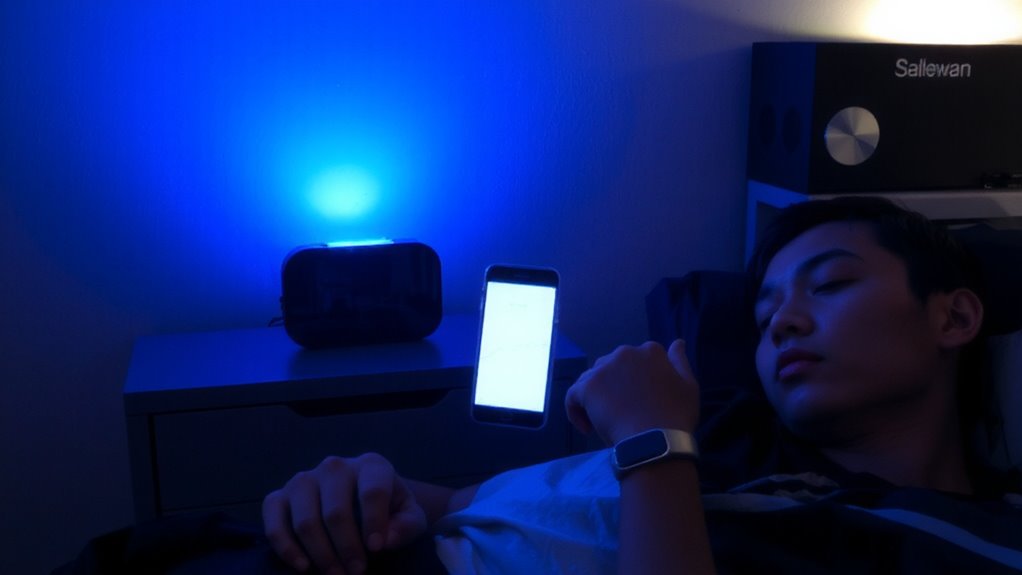
While you’re asleep, sleep trackers collect data through sensors that monitor your movement, heart rate, and sometimes breathing patterns, helping to estimate your sleep stages and overall rest quality. The device uses sensor accuracy to distinguish between light, deep, and REM sleep, though results can vary based on how well it’s worn and your body’s signals. Most trackers sync automatically each morning, using data synchronization to send information to your smartphone or tablet. This lets you view trends over time and adjust bedtime routines if needed. Many work with apps that support therapy devices or sleep aids, making them useful if you’re exploring solutions for rest issues. Units typically come with a warranty and offer trial periods, so you can test comfort and performance. Choose one that balances fit, battery life, and reliable syncing to support long-term use. For those seeking top-performing options, consider reviewing the best sleep-tracking smartwatches to find a model that aligns with your rest goals.
What Your Sleep Data Reveals About Your Habits
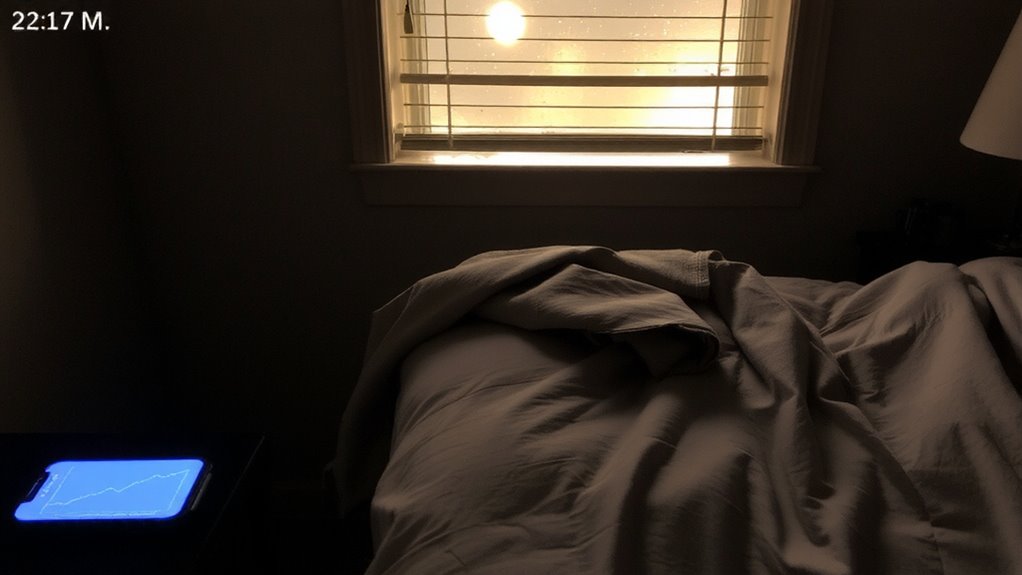
What can your nightly sleep patterns tell you about your habits? Your sleep data reveals trends you might not notice, like how inconsistent bedtimes affect rest quality. Tracking shows whether you fall asleep quickly or toss and turn, pointing to possible disruptions like screen use or caffeine. Poor bedtime consistency often links to less deep sleep and more awakenings. If your sleep patterns shift wildly between weekdays and weekends, it could signal a need for routine. Over time, this data helps identify whether lifestyle changes-like reducing evening stress or adjusting meals-improve rest. Recognizing these patterns doesn’t diagnose disorders but highlights when to consult a professional. You might also see how sleep aids, like white noise machines or supplements, influence your rest. Use this insight to test small changes and measure results. Clear tracking supports better decisions about routines, interventions, and overall sleep health. Advanced trackers can even detect subtle changes in heart rate variability during sleep, providing deeper insight through best sleep-optimizing fitness trackers.
Best Sleep Trackers for Your Lifestyle
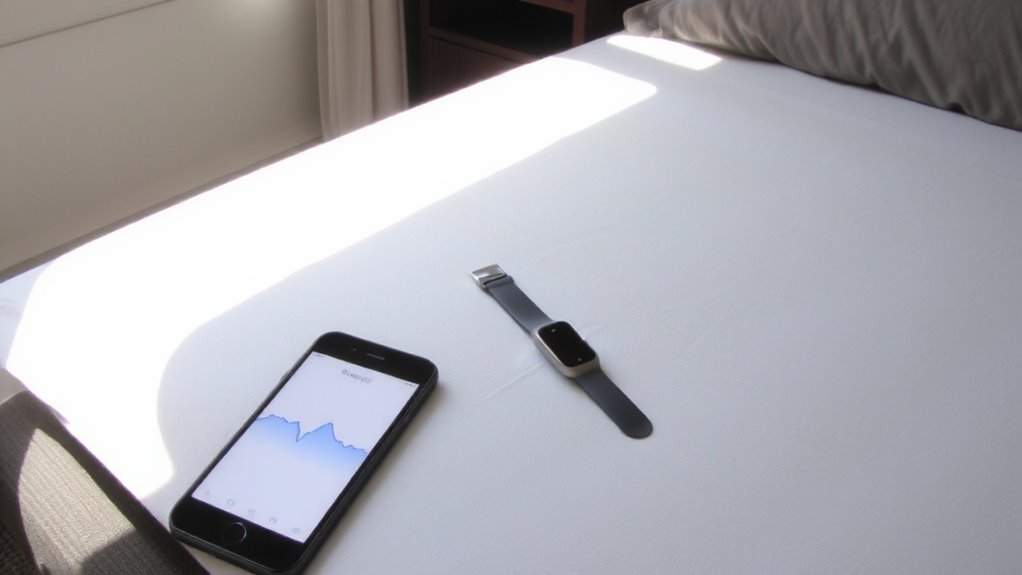
Now that you’ve started recognizing patterns in your sleep data and how they reflect your daily choices, it’s time to contemplate the tools that make this insight possible. When choosing a sleep tracker, consider wearable comfort and battery life, since both affect long-term use. Bands with soft, breathable materials feel lighter and reduce irritation, especially if you move a lot at night. Models that last five to seven days on a single charge cut down how often you need to recharge, supporting consistent tracking. Some devices sync with apps that record sleep stages, heart rate, and movement, offering detailed reports without medical claims. Most come with a 30-day trial or limited warranty, letting you test fit and function. Look for water resistance and adjustable straps to suit your routine. Whether you’re active during the day or sensitive to touch at night, matching features to your lifestyle increases the chances you’ll keep using it. For those who want to avoid recurring costs, several top options offer comprehensive tracking with no subscription required.
How to Use Your Data to Sleep Better
Mistakes Sleep Tracker Users Make (And How to Fix Them)
Ever wonder why your sleep tracker says you’re getting deep sleep when you wake up feeling worse than ever? You’re not alone. Many users mistake the data their devices provide, leading to data misinterpretation. Just because your tracker shows eight hours of sleep doesn’t mean they were restorative. Movement and heart rate estimates aren’t perfect, so don’t place full trust in every stat. Overreliance on metrics can make you ignore how you actually feel. If you’re tired despite “good” data, question the numbers, not your body. Instead, use trends over time-single nights aren’t reliable. Adjust bedtime routines based on both data and energy levels. Calibrate expectations: trackers are tools, not diagnosticians. Try turning off the app for a few days to reconnect with natural rhythms. That balance helps you make smarter choices about habits, environment, and when to explore sleep aids thoughtfully.
When Your Tracker Isn’t Enough: See a Doctor
Your sleep tracker can offer helpful clues about your rest, but it can’t diagnose underlying problems-no matter how detailed the data appears. If you’re tired despite good sleep scores, or you snore heavily and wake gasping, you might have sleep disorders like apnea or insomnia. These need a medical evaluation, not just tech. Trackers estimate patterns, but they can’t measure brain waves or blood oxygen like clinical tools. Don’t ignore persistent fatigue or disrupted breathing. Below are signs it’s time to see a doctor:
| Symptom | Tracker Data | Possible Concern |
|---|---|---|
| Morning headaches | Normal deep sleep | Sleep apnea |
| Daytime fatigue | High sleep score | Insomnia |
| Loud snoring | Restless nights | Airway obstruction |
| Waking up gasping | Frequent awakenings | Breathing issues |
| Insomnia episodes | Low REM | Sleep disorders |
A doctor can recommend a sleep study and proper treatment. Trust tech, but know its limits.
On a final note
You can use sleep trackers to spot patterns in your rest, like how long you spend in deep sleep or how often you wake up. They’re helpful, but not perfect-sometimes they misread movement or miss issues like sleep apnea. If you’re tired despite good data, or have loud snoring or breathing pauses, see a doctor. Many devices offer free trials or return windows, so test one for a few weeks. Compare features like battery life, comfort, and whether it needs charging nightly. A tracker might help you adjust bedtime habits, but it’s not a fix for medical problems. Always pair data with how you feel during the day.