Understanding The Impact Of Working Nights On Sleep Patterns And Overall Health Outcomes
Working nights disrupts your natural sleep cycle, making it hard to fall asleep during the day or stay alert at night. Light exposure suppresses melatonin, harming sleep quality and raising long-term risks like heart disease and cancer. You may face mood changes, fatigue, or insomnia over time. Using blackout curtains, white noise, and timed melatonin can help. Consistent sleep routines and smart napping support better rest-small adjustments now can make a real difference in how you feel and function. There’s more to explore on staying healthy in the long run.
Notable Insights
- Night shifts disrupt circadian rhythms, making daytime sleep difficult and reducing sleep quality and duration.
- Light exposure at night suppresses melatonin, increasing cancer risk and impairing cellular repair processes.
- Shift work elevates cardiovascular risk due to chronic circadian misalignment and increased stress hormone levels.
- Daytime sleep is often fragmented by noise and light, reducing restorative deep and REM sleep stages.
- Consistent sleep schedules, strategic napping, and timed light exposure can mitigate some health risks.
Why Night Shifts Disrupt Your Body Clock

Even though your body is built to stay awake during the day and rest at night, working overnight shifts forces it to adjust to a schedule that goes against its natural rhythm. This causes circadian misalignment, where your internal clock conflicts with actual sleep and wake times. As a result, you may struggle to fall asleep during the day or stay alert at night. Exposure to light at night contributes to melatonin suppression, reducing the hormone’s release when you need rest. This disruption affects sleep quality and duration, increasing the risk of sleep disorders like insomnia. To improve sleep, consider blackout curtains, white noise machines, or melatonin supplements after consulting a doctor. Some sleep aids may help short-term, but check their effects on alertness. Trial periods and warranties on sleep tools let you test options safely. High-quality white noise machines can significantly improve sleep by masking disruptive sounds and creating a consistent auditory environment.
The Long-Term Health Risks of Night Work

While your body can adapt to night work over time, doing so doesn’t erase the long-term health risks tied to disrupted circadian rhythms. You face increased cancer risk due to lower melatonin production, which normally repairs cells during nighttime darkness. Your exposure to light at night interferes with this process, creating biological imbalances. You also experience higher cardiovascular strain, as irregular sleep patterns raise blood pressure and stress hormones. These changes build over years, increasing chances of chronic conditions. Though sleep aids may help you rest, they don’t reverse these underlying risks. Consider discussing shift adjustments or protective screenings with your doctor. Prioritizing consistent sleep schedules-even on days off-can lessen some strain. Some workers benefit from light therapy or melatonin supplements under medical guidance. Warranties on health aren’t guaranteed, but informed choices today support better outcomes later. You’re not powerless-small, consistent actions add up. A best sleep supplement can support rest quality when used appropriately alongside medical advice.
Why Daytime Sleep After Night Shifts Fails
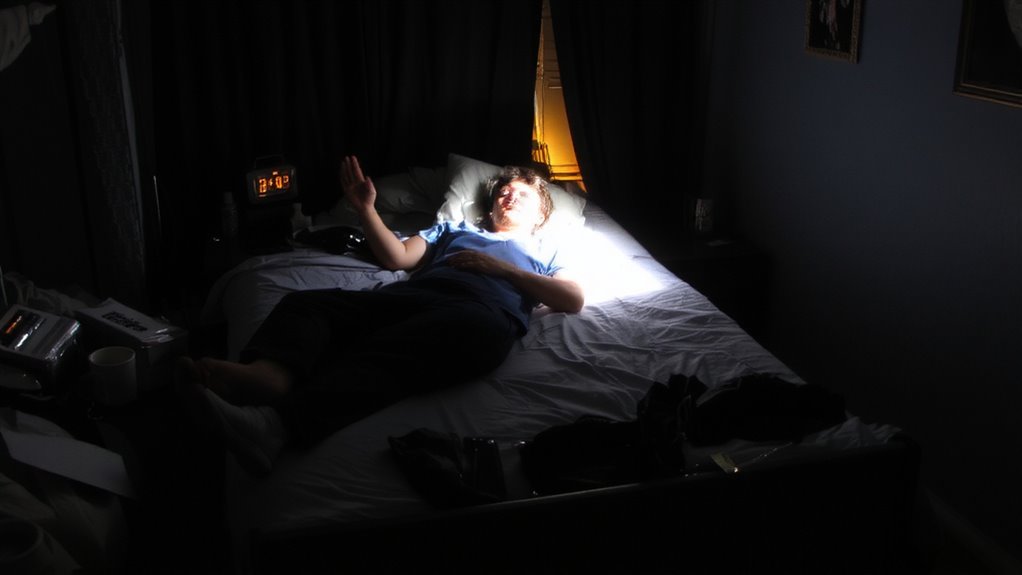
Why does your sleep feel so fragile after a night shift, no matter how tired you are? Your body’s natural rhythm fights against daytime rest. Light exposure tricks your brain into thinking it’s time to be awake, suppressing melatonin and making it harder to fall and stay asleep. Even with blackout curtains or eye masks, traces of light can disrupt your cycle. Add noise, family activity, or pets, and sleep fragmentation becomes likely-your sleep gets broken into short, shallow stretches. That means less deep and REM sleep, leaving you unrested. You might try white noise machines or earplugs to reduce interruptions. Sleep aids can help, but check with a doctor first-some affect next-day alertness. Consider gradual shift changes or strategic napping. Success often depends on consistency, proper tools, and environment tweaks that support longer, uninterrupted rest. A well-chosen best sleep masks can significantly enhance darkness and comfort for day sleepers.
How Night Shifts Affect Mental Health and Mood
What happens to your mood and mental clarity when your nights become workdays? You might notice irritability, low focus, and mood swings over time. Working nights disrupts your body’s natural rhythm, making emotional regulation harder-you may feel overwhelmed more easily. Chronic sleep loss raises the risk of anxiety disorders, especially if you’re already vulnerable. Shift work doesn’t cause these issues for everyone, but it can amplify existing stress patterns. Your brain needs consistent rest to process emotions and manage reactions. When sleep is fragmented or delayed, it affects serotonin and cortisol levels, directly influencing mood. Monitoring your mental health is as important as tracking sleep hours. If you feel persistent sadness or anxiety, discussing options with a healthcare provider can help. Consider screening tools for anxiety disorders and explore support strategies before symptoms deepen.
Science-Backed Sleep and Energy Strategies
You can take steps to protect your sleep and energy, even when working nights. Fighting circadian misalignment and reducing metabolic disruption are key. Below are science-backed strategies to help balance rest and alertness.
| Strategy | Purpose | Evidence Support |
|---|---|---|
| Controlled light exposure | Reset internal clock | Reduces circ pancreatic strain |
| Strategic napping (20–30 min) | Boosts alertness without grogginess | Improves performance on night tasks |
| Consistent sleep schedule | Stabilizes circadian rhythm | Lowers insomnia risk |
| Melatonin supplements (low dose) | Supports sleep onset | Works best with timed darkness |
| Balanced meals (not heavy at night) | Minimizes metabolic disruption | Linked to better glucose control |
Daily Habits to Stay Healthy on Night Shifts
While your body’s natural rhythm favors sleep at night, adjusting your daily habits can help you stay healthy and function well on night shifts. Prioritize hydration management by drinking water consistently, but reduce intake close to bedtime to limit disruptions. Avoid heavy meals during the night; instead, opt for lighter snacks with protein and fiber. Proper meal timing-eating your largest meal before your shift-helps digestion and energy. Keep caffeine early in your shift to avoid interfering with daytime sleep. Create a sleep-conducive environment: dark, quiet, and cool. Use blackout curtains and white noise if needed. If considering sleep aids, consult a healthcare provider to weigh benefits and risks. Consistent routines, including wind-down periods, support better rest. Over time, these habits improve alertness, mood, and long-term health outcomes for night workers.
On a final note
You’re better off prioritizing consistent sleep times, even on days off, to support your body’s adjusted rhythm. Consider blackout curtains and white noise machines to improve daytime sleep quality. If fatigue persists, short naps and caffeine in moderation may help, but avoid long-term reliance on sleep aids without medical advice. Discuss ongoing sleep issues with a doctor, as untreated disorders like insomnia or sleep apnea can worsen over time.