Maximizing Slow Wave Sleep (SWS) For Restorative Night’s Rest
You boost slow wave sleep by aligning your routine with your body’s natural repair cycle. Keep a consistent sleep schedule, aim for 60–67°F in your bedroom, and reduce blue light an hour before bed. Track your deep sleep with wearables to spot trends, and consider how aging or inactivity affects your sleep depth. Some sleep aids may alter brain waves, so choose ones with clinical backing, trial options, or solid warranties-weighing benefits and trade-offs carefully. Further details reveal even more ways to refine your rest.
Notable Insights
- Maintain a consistent sleep schedule, including weekends, to boost slow wave sleep by 15–20%.
- Optimize bedroom environment with temperatures between 60–67°F, blackout curtains, and noise masking.
- Engage in regular physical activity to promote deeper, more restorative slow wave sleep.
- Limit screen exposure one hour before bed to support natural melatonin release and sleep quality.
- Track sleep patterns with reliable wearables to monitor and improve time spent in slow wave sleep.
What Is Slow Wave Sleep and Why It Matters
Think of slow wave sleep as your brain’s nightly tune-up. During this phase, your brain waves slow dramatically, entering a deep, rhythmic pattern essential for recovery. This isn’t just rest-you’re enabling neural repair, helping your brain clear waste and rebuild connections. These slow brain waves support memory consolidation and cognitive function, making each cycle crucial. Without enough slow wave sleep, you might feel foggy, less alert, or struggle to focus. It’s not only about time in bed, but sleep quality. Factors like sleep disorders-such as sleep apnea-can disrupt this stage, reducing its benefits. Some sleep aids may alter brain wave patterns, so review options carefully. If you’re considering interventions, check for clinical backing, warranty details, or trial periods. Understanding how solutions affect slow wave sleep helps you make informed choices to support long-term brain health.
See How Much Deep Sleep You Get
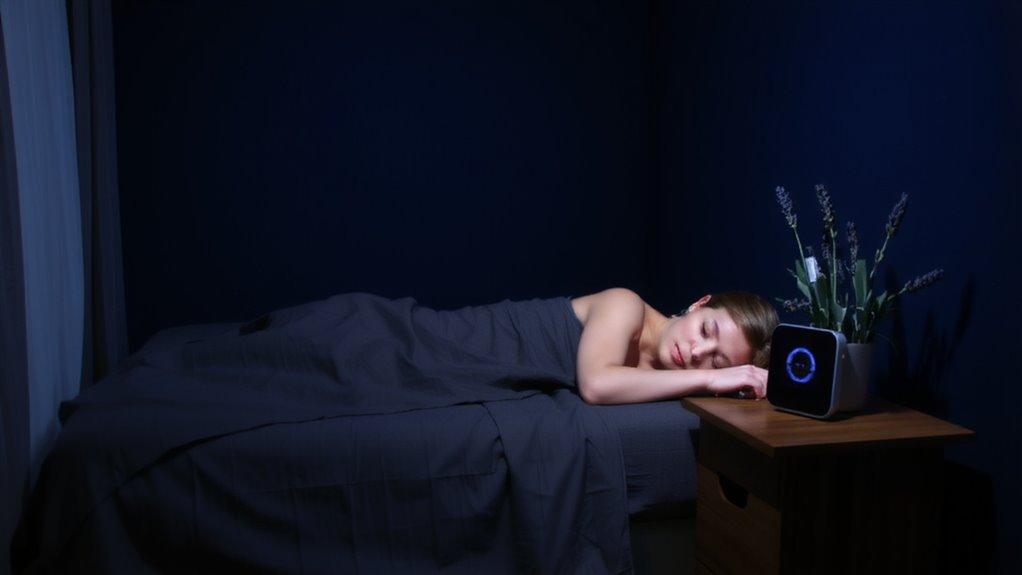
How well do you really know your sleep? You can’t improve what you don’t measure, and that’s where sleep tracking comes in. Modern devices like wearables and bedside monitors record brainwave patterns, heart rate, and movement to estimate how much deep sleep you get each night. These tools use data analysis to break down your sleep stages, highlighting the time spent in slow wave sleep (SWS). Most adults should aim for 20–25% of their total sleep in this restorative phase. Reviewing nightly reports helps you spot trends, detect disruptions, and assess sleep quality over time. While these tools aren’t medical-grade, they offer useful insights for personal use. If results show consistent deficits, it may be time to consult a specialist or evaluate your environment, routine, or possible sleep aids-all decisions backed by clearer, data-informed understanding. For accurate and detailed insights, consider using the best sleep-optimizing fitness trackers available on the market today, which are specifically designed to monitor sleep-optimizing fitness trackers.
How Aging and Daily Habits Affect Deep Sleep
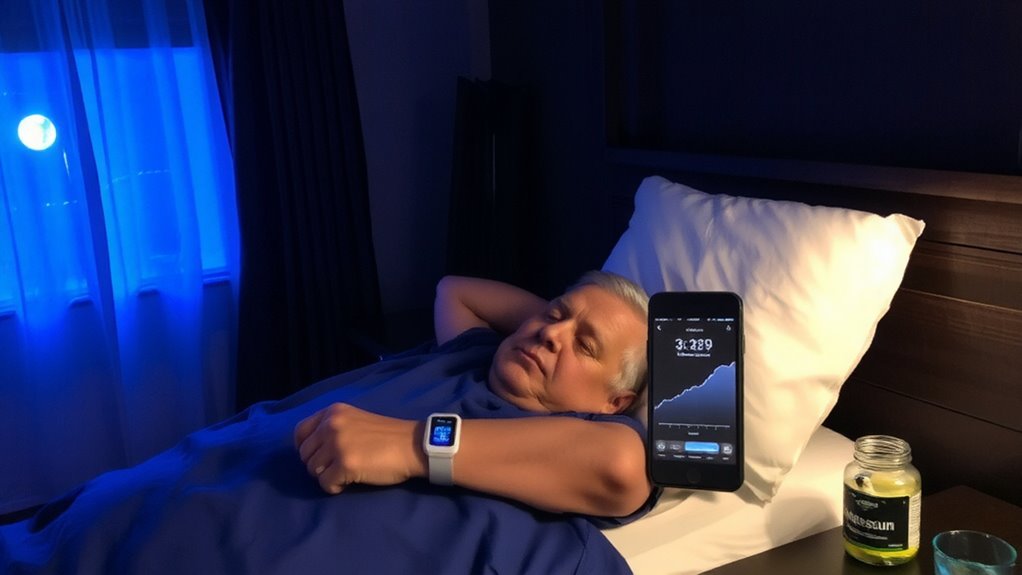
You’ve seen how tracking your sleep can reveal the amount of deep sleep you’re getting, but what you might not realize is that both aging and daily habits play a major role in shaping those numbers over time. As you age, hormonal changes-like reduced growth hormone and melatonin-naturally decrease slow wave sleep. At the same time, a sedentary lifestyle can make this worse, since lack of physical activity often leads to lighter, more disrupted sleep. You don’t need intense workouts, but consistent movement helps signal your body for deeper rest. These factors don’t mean poor sleep is inevitable-they just mean adjustments matter. Monitoring how habits and age influence your deep sleep lets you make informed choices, whether that’s increasing daytime activity, adjusting routines, or consulting a specialist to rule out disorders. Small, evidence-based steps improve sleep quality over time.
Go to Bed and Wake Up at the Same Time
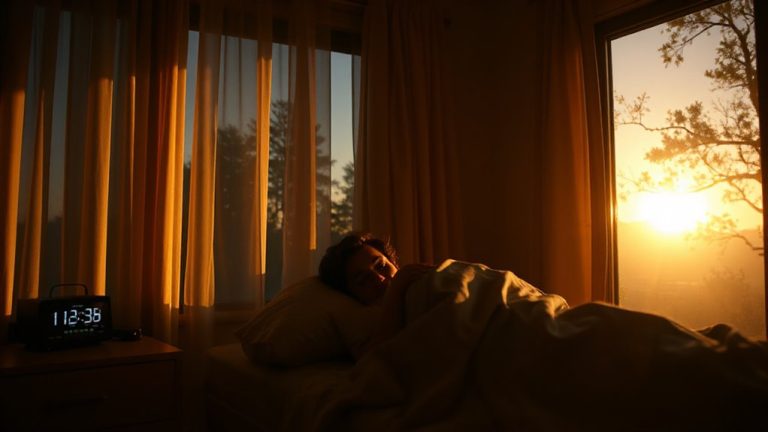
While your body’s internal clock thrives on consistency, going to bed and waking up at the same time every day-even on weekends-can strengthen your sleep drive and make deep sleep more accessible. Bedtime consistency helps regulate hormones like melatonin, while wake time stability reinforces your natural circadian rhythm. Over time, this routine makes falling asleep and staying asleep easier, supporting longer periods of slow wave sleep. Small shifts can disrupt your cycle, so aim for no more than a 30-minute difference on weekends. Below is a sample schedule to guide your planning:
| Weekday/Weekend | Bedtime | Wake Time |
|---|---|---|
| Weekday | 10:30 PM | 6:30 AM |
| Weekend Sat | 11:00 PM | 7:00 AM |
| Weekend Sun | 10:45 PM | 6:45 AM |
| Target Range | ±30 min | ±30 min |
| Ideal SWS Gain | +15-20% | +15-20% |
This approach supports better sleep architecture without relying on aids.
Make Your Bedroom Better for Deep Sleep
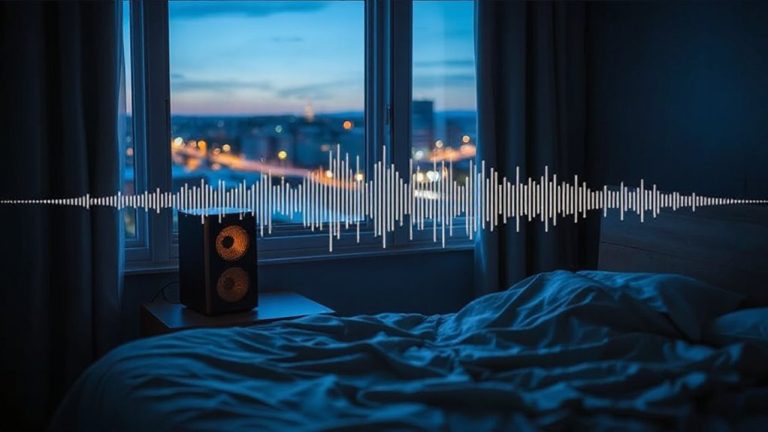
A well-designed sleep environment can considerably improve your chances of reaching deep, restorative slow wave sleep. Keep your bedroom cool, ideally between 60–67°F, since temperature control helps your body shift into and stay in deep sleep. Use breathable bedding and consider a cooling mattress pad if you often overheat. For noise, try sound masking with a white noise machine or a fan to block disruptions like traffic or snoring. These tools run quietly and often include timers or adjustable frequencies, letting you customize the output. Some models even double as air purifiers or offer sleep tracking. Look for ones with long warranties and app integration if you want data over time. Blackout curtains and earplugs can also help, but test combinations to see what supports your comfort. You might need a few weeks to notice consistent changes in sleep quality. For best results, choose from the best sleep sound machines based on expert testing and user feedback.
Evening Habits That Increase Deep Sleep
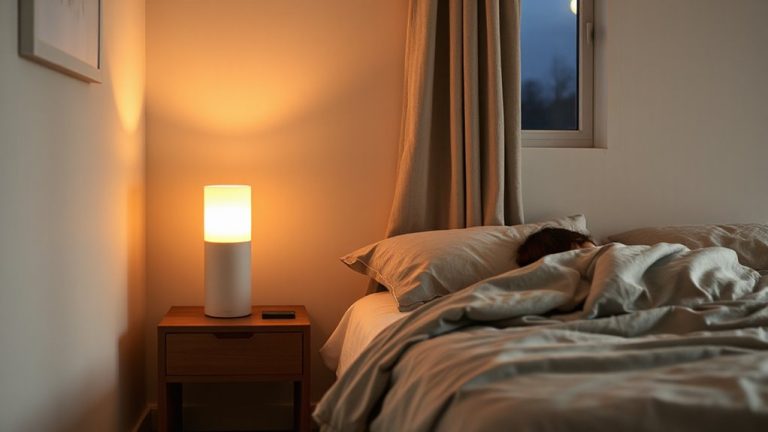
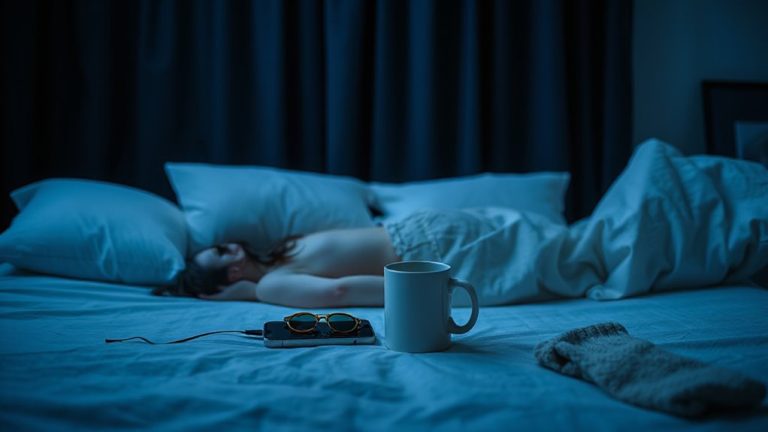
What if the key to deeper sleep lies not in what you do at bedtime, but in the hours leading up to it? Evening stretching helps your body wind down by easing muscle tension and signaling your nervous system it’s time to rest. Try gentle yoga or simple floor stretches 30–60 minutes before bed for best results. Screen fasting-avoiding phones, TVs, and laptops-is just as important. Blue light from screens disrupts melatonin, the hormone that regulates sleep. Start screen fasting at least one hour before bed to support natural circadian rhythms. These habits don’t require special tools or costs, just consistency. Over time, they improve slow wave sleep without supplements or sleep aids. You can track changes in restfulness over a few weeks. Most people notice deeper, more continuous sleep when combining evening stretching with screen fasting. It’s a practical, low-risk approach worth trying.
Nutrition and Supplements That Boost Deep Sleep
Deep sleep thrives when your body gets the right fuel. You can support slow wave sleep by including nutrients that regulate your sleep cycle. Magnesium glycinate is a well-absorbed form of magnesium shown to calm the nervous system and may increase deep sleep duration, especially if you’re deficient. It’s gentle on the stomach and typically taken in doses of 200–400 mg before bed. Tart cherry extract naturally contains melatonin and may raise your melatonin levels, helping you fall asleep faster and spend more time in restorative stages. Studies suggest a dose of 8–10 oz of tart cherry juice or 100–200 mg extract works best. These supplements aren’t a fix for clinical sleep disorders, but they can help if poor nutrition or mild insomnia affects your sleep quality. Try them individually for at least two weeks to see how your body responds. Among the various forms available, best magnesium supplements for brain health are often formulated with highly bioavailable types like magnesium glycinate to support both cognitive function and sleep quality.
On a final note
You’ll feel more refreshed when you support your body’s natural deep sleep cycles. Sticking to a consistent schedule, adjusting your bedroom environment, and refining evening habits can make a noticeable difference. Nutrition and certain supplements may help, but results vary. Consider tracking your sleep to see what works. If problems continue, consult a professional to explore underlying causes and safe, effective options backed by evidence.