Best Sleep-Optimizing Fitness Trackers for Deeper Rest
You get deeper rest by tracking your sleep stages, heart rate, and blood oxygen with devices like the Fitbit Inspire 3 or WHOOP 5.0. These trackers use advanced sensors to measure deep, light, and REM sleep, while offering insights on recovery and breathing disruptions. Comfortable, long-lasting designs support all-night wear, and smart alarms wake you gently. With app-guided feedback and optional subscriptions, you’ll start seeing patterns and making better choices-there’s more to discover about optimizing your sleep.
We are supported by our audience. When you purchase through links on our site, we may earn an affiliate commission, at no extra cost for you. Learn more. Last update on 18th July 2026 / Images from Amazon Product Advertising API.
Notable Insights
- Advanced sleep stage tracking uses heart rate variability, movement, and SpO2 to accurately measure deep, light, and REM sleep cycles.
- Personalized sleep scores and nightly insights help identify patterns and guide improvements for deeper, more restorative rest.
- Smart wake alarms vibrate during light sleep phases to ensure gentler, more natural awakenings and reduce grogginess.
- Continuous biometric monitoring of HRV, body temperature, and blood oxygen provides a comprehensive view of sleep quality and recovery.
- Long battery life and comfortable, lightweight designs support uninterrupted all-night wear for consistent sleep data tracking.
Fitbit Inspire 3 Fitness Tracker with Sleep & Heart Rate

Who wouldn’t want to understand their sleep patterns better, especially if you’re someone who wakes up tired despite sleeping eight hours? I’ve found the Fitbit Inspire 3 helps by automatically tracking sleep stages and delivering a daily Sleep Score. Its Sleep Profile offers personalized insights over time, while the smart wake alarm vibrates gently during light sleep. It’s lightweight, water-resistant to 50 meters, and lasts up to 10 days per charge. I get sleep mode prompts and SpO2 tracking, though some features vary by region. It includes a 6-month Fitbit Premium trial-activation’s required within 60 days-and works with both iPhone and Android.
Best For: People seeking a lightweight, long-lasting fitness and sleep tracker with personalized insights and smart wake features to improve rest and overall wellness.
Pros:
- Offers detailed sleep tracking with automatic staging, Sleep Score, and smart wake alarm for better mornings
- Lightweight, 50m water-resistant design with up to 10-day battery life and 6-month Premium trial for added value
- Tracks heart rate, SpO2, stress levels, and includes 20+ exercise modes with smartphone GPS support
Cons:
- Some health features like irregular heart rhythm notifications are not available for users under 22 or in all countries
- SpO2 and skin temperature tracking not available in all markets and not intended for medical diagnosis
- Fitbit Premium trial requires activation within 60 days and a valid payment method, which may lead to unintended charges
WHOOP 5.0 Activity Tracker with 12-Month Membership

When deep, uninterrupted sleep matters for recovery and long-term health, the WHOOP 5.0 Activity Tracker with 12-Month Membership becomes a steady companion, especially for those tracking more than just bedtime. I rely on its 24/7 monitoring of heart rate, blood oxygen, and skin temperature to spot trends affecting my rest. It gives me personalized recovery insights, daily strain targets, and sleep recommendations based on my physiology. The Wireless PowerPack keeps it charged without breaking wear, and the SuperKnit band fits comfortably overnight. With a 14+ day battery, lifetime warranty, and WHOP Peak membership, I get long-term health tracking that adapts as I evolve.
Best For: Athletes, fitness enthusiasts, and health-conscious individuals seeking advanced 24/7 physiological tracking and personalized insights to optimize recovery, performance, and long-term health.
Pros:
- Provides comprehensive 24/7 health monitoring including heart rate, blood oxygen, sleep, and recovery metrics with actionable, personalized insights
- Wireless PowerPack enables continuous wear and charging on the go, supporting 14+ days of battery life
- Includes a 12-month WHOOP Peak membership with access to advanced features like Healthspan, VO2 max tracking, and 160+ behavior impact analyses
Cons:
- Requires a subscription membership to access full features, limiting long-term usability after the 12-month period
- One-size-fits-all band may not suit all wrist sizes comfortably for extended wear
- High reliance on smartphone and app connectivity for data review and insights, reducing standalone functionality
Fitness Tracker Smart Watch for Women/Men

I rely on this fitness tracker smart watch when I need accurate sleep stage analysis without sacrificing everyday comfort or style. It tracks deep, light, and awake phases nightly, delivering a sleep score via the “Keep Health” app to help assess rest quality. Real-time heart rate, blood oxygen, and body temperature monitoring support broader health insights, which may assist in identifying sleep patterns or disruptions. The 1.10-inch AMOLED display is clear and vibrant, housed in a lightweight stainless steel frame with skin-friendly bands. With 25+ sport modes and smart reminders, it balances activity tracking and daily convenience, charging fully in about two hours.
Best For: Health-conscious individuals seeking a stylish, comfortable smartwatch with comprehensive sleep and fitness tracking for daily use.
Pros:
- Accurate real-time health monitoring including sleep stages, heart rate, blood oxygen, and body temperature
- Vibrant 1.10-inch AMOLED display with durable stainless steel design and customizable watch faces
- Supports 25+ sport modes and smart features like call reminders, sedentary alerts, and female health tracking
Cons:
- Requires initial full charge and app setup, which may delay first use
- Battery capacity is modest at 120 mAh, potentially limiting long-term usage between charges
- Advanced features rely on the “Keep Health” app, which may require a learning curve for new users
Fitness Tracker with Heart Rate & Sleep Monitor

If you’re serious about understanding your sleep patterns and overall health, a fitness tracker with heart rate and sleep monitoring gives you the detailed insights to make smarter daily choices. I rely on its 24/7 heart rate, SpO2, and sleep stage tracking to spot trends in my deep, light, and restless sleep. The AMOLED screen is clear and customizable, and the soft strap feels comfortable all day and night. With 25 sport modes, 5 ATM water resistance, and up to 14-day battery life, it keeps up with my routine. Essential data syncs seamlessly to the app, helping me assess rest quality, detect possible disruptions, and adjust habits over time.
Best For: Health-conscious individuals seeking comprehensive 24/7 tracking of heart rate, sleep quality, and fitness performance with long battery life and smart daily insights.
Pros:
- Accurate 24/7 heart rate, SpO2, sleep stage analysis, and multi-day battery life up to 14 days
- 5 ATM water resistance and durable design suitable for swimming and daily wear
- Supports 25 sport modes with seamless app syncing for detailed health and fitness tracking
Cons:
- Blood pressure monitoring may provide estimates rather than medical-grade accuracy
- Advanced insights require consistent app usage, which may not appeal to all users
- Limited smart notifications compared to full smartwatches
WHOOP 5.0 Activity Tracker with 12-Month Membership
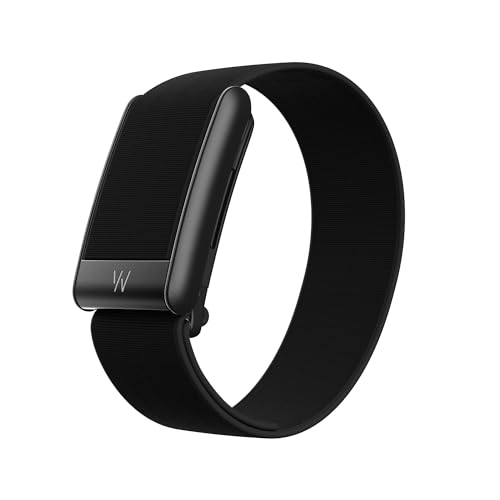
The WHOOP 5.0 Activity Tracker with 12-Month Membership stands out for anyone serious about improving sleep through data-driven insights, especially those managing demanding schedules or recovering from intense training. I rely on its 24/7 heart rate, HRV, and sleep tracking to spot patterns affecting my rest. The WHOOP Journal helps log 160+ behaviors-like diet or stress-so I can adjust habits. With a 14+ day battery and fast charging, it stays with me. The included CoreKnit band feels comfortable overnight. I get daily recovery scores and sleep recommendations, plus AI-powered coaching. The 12-month membership delivers full access, letting me test long-term use before renewing.
Best For: Individuals seeking advanced, data-driven insights to optimize sleep, recovery, and performance, especially athletes or professionals with demanding lifestyles.
Pros:
- 24/7 lab-level tracking of heart rate, HRV, sleep, and recovery provides deep health insights
- Personalized daily recommendations and AI-powered WHOOP Coach enhance habit optimization
- Long 14+ day battery life with fast charging supports continuous, uninterrupted use
Cons:
- Requires a mandatory 12-month membership for full functionality, increasing upfront cost
- No built-in screen or on-device notifications, limiting real-time interaction
- Comfort may vary during sleep depending on band type and sensitivity to wrist wear
XIAOMI Mi Smart Band 10 (2025)

When tracking sleep with consistent accuracy matters most, the Xiaomi Mi Smart Band 10 (2025) stands out, especially for users who value long battery life and detailed sleep stage analysis. I rely on its heart rate sensor and enhanced sleep quality reports to spot patterns over time. The 1.72-inch AMOLED screen stays clear in sunlight, and at 21 days, the battery outlasts most rivals. Charging fully takes about an hour, so downtime is minimal. I sync it with Google Fit to switch to imperial units. Running on HyperOS 2, it connects smoothly via Bluetooth 5.4, and the Xiaomi Fit app delivers precise metrics.
Best For: Users who prioritize accurate sleep tracking, long battery life, and seamless integration with fitness apps for comprehensive health insights.
Pros:
- 21-day battery life with fast charging (full recharge in ~1 hour)
- 1.72-inch AMOLED display with 1500 nits brightness and 73% screen-to-body ratio
- Advanced health monitoring with enhanced sleep analysis and heart rate tracking
Cons:
- Imperial units not natively supported in Xiaomi Fit app
- Limited to Bluetooth 5.4 without Wi-Fi or GPS connectivity
- Third-party app integration required for full feature access
Fitness Tracker with Heart Rate & Sleep Monitor
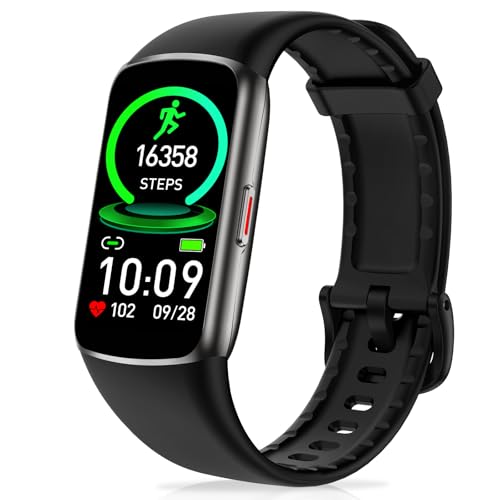
Since tracking both heart rate and sleep patterns gives a clearer picture of overall health, I find this fitness tracker especially helpful for anyone looking to improve sleep quality or spot potential sleep issues like irregular rest cycles or low blood oxygen. It continuously monitors your heart rate, blood oxygen, and body temperature, while analyzing deep, light, and awake sleep stages. The 1.47-inch AMOLED screen is sharp and touch-responsive, with customizable faces and a comfortable, skin-friendly strap. With 123 sports modes, IP68 waterproofing, and 10–14 days of battery life, it keeps up with daily demands. It works seamlessly with both iPhone and Android, offering hydration and period reminders, plus real-time weather and remote camera control-useful features for overall wellness tracking and informed sleep decisions.
Best For: Health-conscious individuals seeking comprehensive 24/7 tracking of heart rate, sleep quality, and activity performance with advanced wellness features.
Pros:
- Offers continuous monitoring of heart rate, blood oxygen, body temperature, and detailed sleep stages for accurate health insights
- Features a bright, responsive 1.47-inch AMOLED display with customizable watch faces and a comfortable, skin-friendly strap
- Supports 123 sports modes, IP68 waterproofing, and long battery life (10–14 days), making it versatile for active lifestyles
Cons:
- Lacks advanced GPS mapping or built-in GPS, relying on smartphone connection for location tracking during workouts
- Menstrual and hydration reminders may be overly simplistic compared to dedicated health apps
- Magnetic charging, while convenient, may be less durable over time compared to standard USB charging options
Smart Watch Fitness Tracker with Health Monitoring
Who wouldn’t want to understand their sleep patterns better, especially if struggling to feel rested? I’ve found this smartwatch tracks my sleep stages-light, deep, and wake-giving me clear data to improve rest. Its 1.58-inch display is sharp and stays on, so I always see the time. The metal and silicone build feels sturdy, and the strap’s easy to clean. It monitors heart rate, blood oxygen, and even blood pressure, which helps me catch off nights. With 120+ sports modes and swim-proof design, it keeps up daily. I get call alerts, weather, and GPS from my phone. Bestinn backs it with a 3-year warranty and 24/7 support-making testing it low-risk.
Best For: Individuals seeking a durable, feature-rich fitness tracker with comprehensive health monitoring and smart notifications for an active, health-conscious lifestyle.
Pros:
- Offers 24/7 heart rate, blood oxygen, blood pressure, and detailed sleep stage tracking for holistic health insights
- Features a 1.58-inch always-on display with full touch controls and over 250 customizable watch faces for personalization
- Supports 120+ sports modes with IP68 waterproof rating and GPS via smartphone, ideal for swimmers and outdoor enthusiasts
Cons:
- Blood pressure and blood oxygen measurements may lack medical-grade accuracy and should be used for informational purposes only
- Requires smartphone dependency for GPS and some smart features, limiting standalone functionality
- Some users may find the 3-year warranty beneficial, but the January 2026 release date means limited real-world user reviews available
Health Smart Bracelet for iOS and Android

What if your fitness tracker could do more than count steps-what if it actively helped you sleep better? I’ve tested the Health Smart Bracelet for iOS and Android, and it tracks heart rate, blood oxygen, and blood pressure while automatically analyzing deep, light, and wake phases. It supports over 120 sports, including swimming and yoga, with built-in GPS for outdoor runs. The battery lasts 15–30 days and charges fully in two hours. It’s IP68-rated, so sweat and rain won’t damage it. Best part? The free companion app works forever-no subscriptions. Made by ZBNMY, it’s a solid, no-cost choice to monitor sleep and activity reliably.
Best For: Fitness and health enthusiasts who want comprehensive, subscription-free monitoring of sleep, heart rate, and activity across 120+ sports with long battery life and IP68 durability.
Pros:
- Tracks heart rate, blood oxygen, blood pressure, and sleep stages automatically with advanced sensors
- Supports over 120 exercise modes and built-in GPS for accurate outdoor activity tracking
- Long battery life (15–30 days) with fast charging and IP68 waterproof rating for all-day wear
Cons:
- Limited to basic smart features without advanced notifications or app integrations
- No mention of altitude or stress tracking, which are common in competing models
- Package dimensions may be bulky for gifting or travel convenience
Fitness Tracker with Health Monitoring & Notifications
If you’re looking for a sleep-optimizing fitness tracker that seamlessly blends health monitoring with smart convenience, this model stands out by offering continuous heart rate and blood oxygen tracking, giving you clear insights into your sleep quality and overall wellness. I’ve found its 25 sports modes, like cycling and yoga, help track daily activity without disrupting sleep routines. The 1.47-inch screen shows notifications clearly, and the 10–14-day battery means fewer charges. With IP68 waterproofing and a lightweight design, it’s comfortable all night. Bluetooth syncs easily to iOS or Android, and features like music control and sleep stage analysis make tracking effortless, supporting informed choices about rest and recovery.
Best For: Health-conscious individuals seeking a durable, feature-rich fitness tracker with advanced sleep and activity monitoring for daily and nighttime use.
Pros:
- Comprehensive 24/7 health tracking including heart rate, blood oxygen, and detailed sleep stage analysis
- Long 10–14 day battery life with fast Bluetooth pairing across iOS and Android devices
- Diverse 25 sports modes and IP68 waterproof design suitable for active lifestyles and all-weather use
Cons:
- Limited 4 MB memory may restrict data storage for long-term tracking without frequent syncing
- No mention of GPS, relying on phone connectivity for distance tracking during outdoor activities
- Basic screen resolution and memory specs may not satisfy users seeking smartwatch-level performance
Factors to Consider When Choosing Sleep-Optimizing Fitness Trackers
You’ll want to check how accurately a fitness tracker reads your sleep stages, since small errors can affect your understanding of sleep patterns over time. Make sure it has reliable heart rate monitoring, a long battery life, and solid water resistance if you shower or swim often. A screen that’s easy to see at night and a comfortable fit can make checking your data easier without disrupting your routine.
Sleep Tracking Accuracy
While sleep tracking accuracy depends on several key factors, the most reliable fitness trackers combine heart rate variability, movement detection, and SpO2 monitoring to estimate your sleep stages more precisely. You’ll get better results from devices with 24/7 heart rate monitoring and medical-grade sensors, as they detect subtle changes in your physiology throughout the night. Advanced algorithms use your biometric patterns over time to automatically log when you fall asleep and wake up, reducing the need for manual input. Keep in mind that sensor placement, skin tone, movement artifacts, and how tightly the device fits can affect readings. Though most trackers measure total sleep duration fairly well compared to clinical tests, they may miss brief awakenings or misclassify REM sleep. Choose models validated in studies for more trustworthy long-term insights.
Heart Rate Monitoring
Accurate sleep tracking starts with consistent heart rate monitoring, building on the sensor capabilities that support reliable stage detection. You need 24/7 heart rate tracking to capture nighttime heart rate variability, which helps assess sleep quality and nervous system balance. Real-time tracking picks up disturbances like sudden awakenings, breathing pauses, or stress-related spikes while you sleep. Devices using PPG sensors with higher sampling rates at night deliver more precise data. Your resting heart rate trends reveal recovery levels-lower rates usually mean better cardiovascular fitness and deeper rest. Some trackers flag unusual patterns, like prolonged elevation or irregular beats, prompting you to check for health concerns. Look for models that store nightly data and offer clear, long-term reports. Test the device during sleep trials, if possible, and check warranty coverage for sensor performance to guarantee reliable, actionable insights over time.
Battery Life Span
A tracker that lasts 10 to 14 days on a single charge keeps your sleep monitoring steady without constant interruptions for recharging. If you want even less hassle, models with 21 days or more of battery life let you skip nightly charging, so your data stays consistent. Fast charging-reaching full power in under two hours-cuts downtime, helping you resume tracking quickly. Some devices also offer standby modes that last 30 to 60 days, useful if you’re not wearing them daily but still want ready access. Long battery life paired with low power use guarantees your tracker measures heart rate and SpO2 all night, giving reliable sleep insights. You’ll get accurate patterns over time without gaps from frequent charging. When choosing, balance battery length with how often you’ll charge it and what features you use most.
Water Resistance Level
Most sleep-optimizing fitness trackers you’ll consider should offer at least 50 meters of water resistance, letting you wear them confidently while swimming, showering, or sweating through the night. That rating guarantees safety during pool laps, daily showers, and even intense overnight perspiration. If you wear your tracker 24/7, this level of protection prevents damage from accidental exposure. Models with 5 ATM or IP68 ratings add extra confidence-IP68 means they’re dustproof and survive 1.5 meters of water for 30 minutes, just right for real-world conditions. Higher resistance doesn’t boost sleep tracking directly, but it does improve durability. Moisture and sweat won’t compromise sensors or internals, so readings stay consistent. A well-sealed device lasts longer, especially with frequent water contact. Choosing strong water resistance means fewer worries during routines and more reliable, uninterrupted sleep data-key when monitoring patterns or potential sleep issues over weeks.
Display Visibility At Night
Ever wonder how easily you can check the time or your sleep stats during a nighttime waking without straining your eyes or disrupting your rest? You’ll want a display with always-on visibility and adjustable brightness so you can see clearly in the dark without harsh light. OLED or AMOLED screens help by emitting their own light, offering sharp contrast and readable details even in total darkness. Look for ambient light sensors that automatically tweak screen brightness, reducing eye strain. Many quality trackers also include a night mode that cuts down blue light, so your circadian rhythm stays on track. A high screen-to-body ratio and minimal bezels boost touchscreen accuracy, especially in low light. These features guarantee smooth, quick interactions when you’re half-awake. Test display clarity before committing-some brands offer trial periods, so you can confirm visibility works for your bedroom’s lighting.
Comfort For All-Night Wear
Comfort starts with weight-look for a tracker under 40 grams so it doesn’t press or dig into your wrist as you shift through the night. A lightweight design reduces pressure points, helping you stay comfortable during long wear. Choose soft, skin-friendly bands with low allergenic properties to avoid irritation while you sleep. Smooth, low-profile casings prevent snagging on pillows or sheets, especially if you toss and turn. Make sure the band adjusts well-it should stay secure without squeezing your wrist, allowing room for natural movement or slight swelling. Trackers with slim profiles and symmetrical bezels sit flatter against your skin, keeping your wrist in a neutral position. These details add up, letting you wear the device comfortably all night, every night. Try models with free trial periods to test comfort over several sleep cycles before committing.
Frequently Asked Questions
How Accurate Are Sleep Stage Measurements?
You can expect moderate accuracy in sleep stage measurements, but they’re not medical-grade. Devices use movement and heart rate to guess your stages, so REM and deep sleep estimates might be close, yet sometimes miss timing or duration. They’re useful for spotting trends over time, not exact diagnostics. For better insight, pair data with how you feel daily. If you suspect a disorder, consult a doctor-these tools support, don’t replace, professional assessment.
Can These Trackers Diagnose Sleep Disorders?
You can’t use these trackers to diagnose sleep disorders-they’re not medical devices. They do monitor sleep patterns and highlight potential issues, like irregular cycles or restlessness, which you can share with a doctor. For accurate diagnosis, you’ll need a clinical sleep study. Trackers help track progress and support discussions with healthcare providers, but they don’t replace professional evaluation. Always consult a specialist if you suspect a disorder.
Do They Work Without a Smartphone?
Yes, they work without a smartphone, though you’ll miss real-time updates. You still get core tracking like sleep stages and heart rate, stored on the device until synced later. Some models need occasional syncing for full analysis or software updates. Battery life often lasts days, so short offline stretches aren’t a problem. Check warranty details-most brands offer 1-year coverage, with trial periods around 30 days for testing performance.
Are Battery Lives Sufficient for Nightly Use?
Yes, most trackers last long enough for nightly use, with battery lives ranging from 5 to 14 days on a single charge. You won’t need to charge them every night, which helps maintain consistent sleep tracking. Some models go weeks in standby mode. Check charging frequency and auto-sleep detection, as frequent charging interrupts data collection. A solid battery means fewer gaps, giving you more reliable sleep pattern insights over time.
Is Data Export Possible for Doctors?
Yes, you can export sleep data for your doctor, but it depends on the tracker. Most let you download reports via companion apps or sync with health platforms like Apple Health or Google Fit. Some provide PDF summaries or CSV files. Check if your device supports HIPAA-compliant sharing or integration with medical systems. Always confirm compatibility with your provider before relying on the data for clinical use. Trial periods help test export features firsthand.