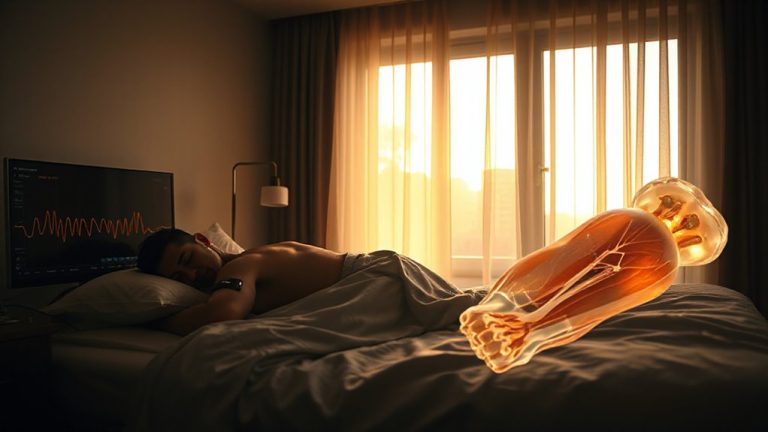
Using Scheduled Naps to Compensate for Sleep Loss in Delayed Sleep Phase Disorder
You can use scheduled naps to make up for lost sleep if you have Delayed Sleep Phase Disorder. A 20–30 minute nap in the early afternoon, ideally between 1:00 and 3:00 p.m., helps reduce sleep debt without disrupting your nighttime sleep. Avoid long or late naps, as they may worsen your sleep delay. Consistent timing and low caffeine improve nap quality. There’s more to learn about building an effective routine.
Notable Insights
- Scheduled naps help reduce sleep debt caused by delayed sleep onset in DSPD.
- A 20- to 30-minute nap prevents deep sleep and minimizes grogginess upon waking.
- The best time for napping is between 1:00 and 3:00 p.m. to avoid nighttime sleep disruption.
- Consistent, short naps improve daytime alertness without replacing needed nighttime sleep.
- Avoid late naps and afternoon caffeine to prevent worsening circadian misalignment.
What Is Delayed Sleep Phase Disorder (DSPD)?
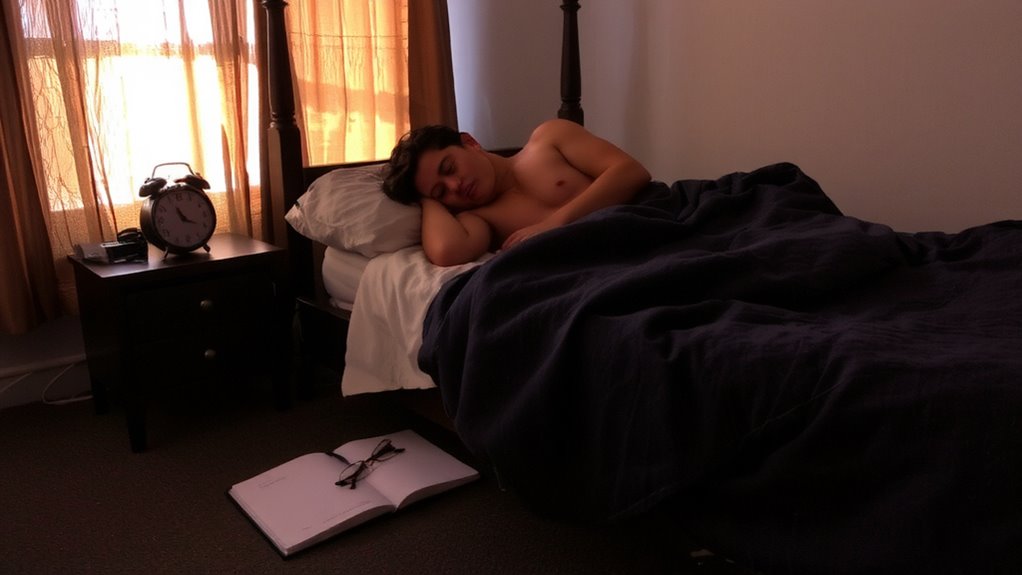
Ever wonder why, no matter how tired you feel, you can’t seem to fall asleep until very late-often well past midnight-and then struggle to wake up in the morning for work or school? That’s likely due to delayed sleep phase disorder (DSPD), a condition where your internal clock runs hours behind the typical sleep-wake cycle. You’re not lazy or undisciplined-your body experiences real circadian misalignment, meaning your natural sleep drive kicks in much later than socially acceptable times. This delay often leads to chronic insomnia, not because you can’t sleep, but because your rhythm conflicts with daily demands. While sleep aids might seem helpful, they don’t fix the root issue. Instead, understanding DSPD helps you make informed choices about treatment, like light therapy or melatonin, which target timing. Recognizing symptoms early improves long-term management and supports better decisions about routines, work schedules, and when to seek help.
How Naps Help Fix Sleep Debt in DSPD
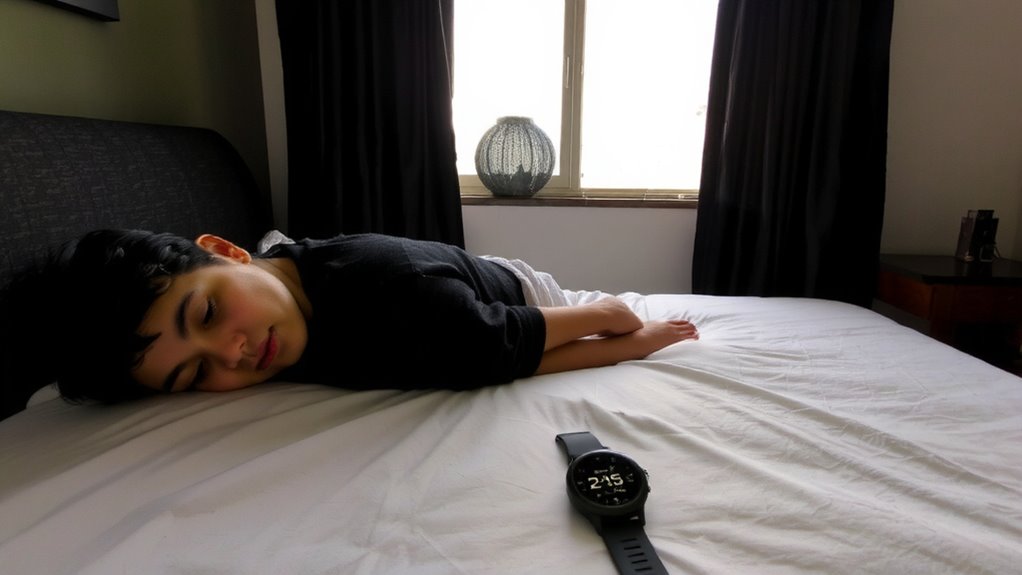
Although your body naturally resists early bedtimes due to delayed sleep phase disorder, taking planned naps can help reduce the sleep debt that builds up from chronic nightly deficits. These naps lower accumulated sleep pressure, giving you a mental and physical reset during the day. When timed correctly, they support better circadian alignment by supplementing rest without interfering with nighttime sleep. You don’t have to nap long-a short period of sleep can restore alertness and improve mood. Scheduled naps work best when consistent, helping your body anticipate rest. They’re not a full fix, but they offset some lost sleep and enhance daily function. Since your internal clock runs late, napping earlier in the afternoon may prevent nighttime disruption. Used wisely, naps are a practical tool to manage fatigue while working toward longer-term sleep improvements.
Ideal Nap Length for DSPD Energy Recovery
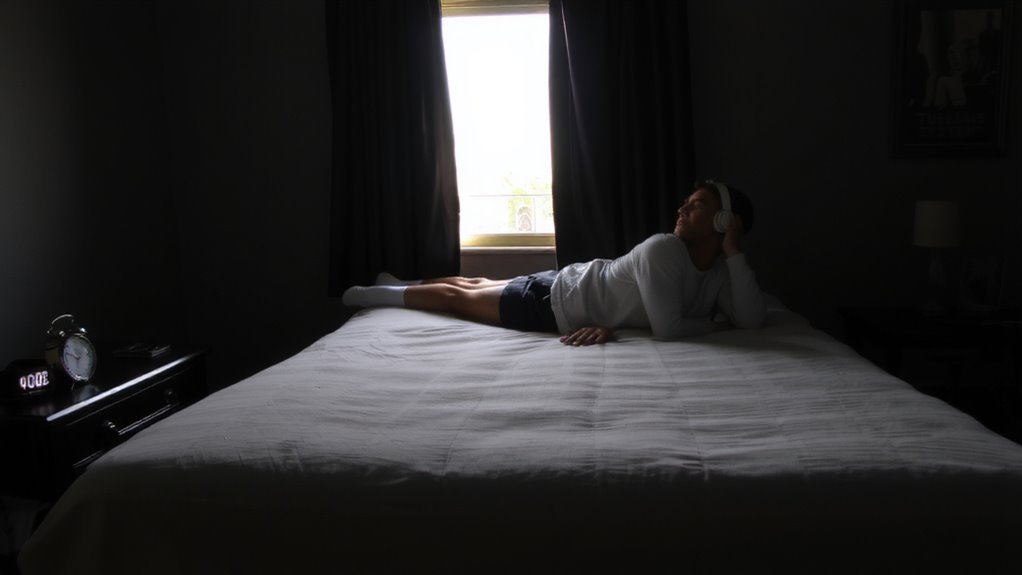
A 20- to 30-minute nap is usually the sweet spot for boosting alertcxxness without diving into deep sleep, which can leave you groggy if you nap longer. This length aligns well with your natural energy cycles, letting you recharge without disrupting nighttime sleep. Since DSPD shifts your internal clock, matching nap timing to your personal rhythm matters more than a fixed clock hour. A short nap supports energy recovery by revitalizing focus and mental clarity, especially when you feel a dip in alertness. It’s best to avoid longer naps, as they may interfere with sleep drive later. You can trial this duration for several days to assess improvements in daytime function. Many find that consistent, brief naps help balance sleep debt while working within their unique energy cycles. Tracking your response helps fine-tune nap timing and effectiveness without reliance on sleep aids.
Best Nap Times for DSPD Without Disrupting Sleep
When should you nap if you live with delayed sleep phase disorder and want to avoid disrupting your nighttime rest? Timing matters-napping too late can push your sleep schedule even later. The best window is during the early afternoon, ideally between 1:00 and 3:00 p.m. This aligns with your natural post lunch slump, when alertness tends to dip. A well-timed nap here supports recovery without interfering with nighttime sleep onset.
| Nap Time | Effect on Night Sleep |
|---|---|
| 1:00–3:00 p.m. | Minimal disruption |
| 4:00–6:00 p.m. | Moderate risk |
| After 7:00 p.m. | High disruption risk |
Stick to early afternoon naps to balance rest and rhythm.
Common Napping Mistakes to Avoid With DSPD
Why do some naps leave you feeling worse instead of rested? It’s often due to common mistakes that disrupt your sleep drive and circadian rhythm. If you rely on excessive caffeine, even in the early afternoon, it can reduce nap quality and make falling asleep later harder. Your body may not enter deep, restorative stages, leaving you groggy. Late napping-anything past 4 p.m.-can also interfere with your delayed bedtime, pushing your sleep window further. Since your rhythm already runs late, preserving nighttime sleep is essential. Keep naps short, 20–30 minutes, and schedule them earlier in your waking day. Avoid stimulants close to nap time. Treat naps as tools to relieve fatigue, not replace nighttime sleep. Small adjustments in timing and caffeine habits can improve clarity and daily function without worsening your DSPD pattern.
How to Build a Sustainable Nap Routine for DSPD
How can you make naps work for you without disrupting your delayed sleep pattern? Start by scheduling naps during your energy dip, ideally 2–4 hours before your usual bedtime. Keep them short-20 to 30 minutes-to avoid grogginess and preserve nighttime sleep drive. Design a consistent nap environment: quiet, dim, and cool, using tools like eye masks or white noise if needed. This cues your body it’s rest time without diving into deep sleep. Lifestyle integration is key-align naps with your existing routine, like after lunch or between evening activities, so they become automatic. Plan them like appointments to build habit strength. Monitor how you feel after each nap; adjust timing or length if needed. With consistency, scheduled naps can sustainably reduce sleep debt while supporting your natural rhythm. For enhanced noise control during naps, consider using sound-deadening ear plugs to maintain a restful environment.
On a final note
You can use scheduled naps to ease sleep debt from Delayed Sleep Phase Disorder, but timing and length matter. A 20- to 30-minute nap in the early afternoon helps boost alertness without disrupting nighttime sleep. Avoid napping past 3 p.m. or sleeping longer than 45 minutes to prevent grogginess or delayed bedtime. Pair naps with consistent wake times and light exposure for best results. Track your response over a week to adjust as needed.