Mitigating Night Sweats With Mesh Panel Insertion Along Pillow Centers
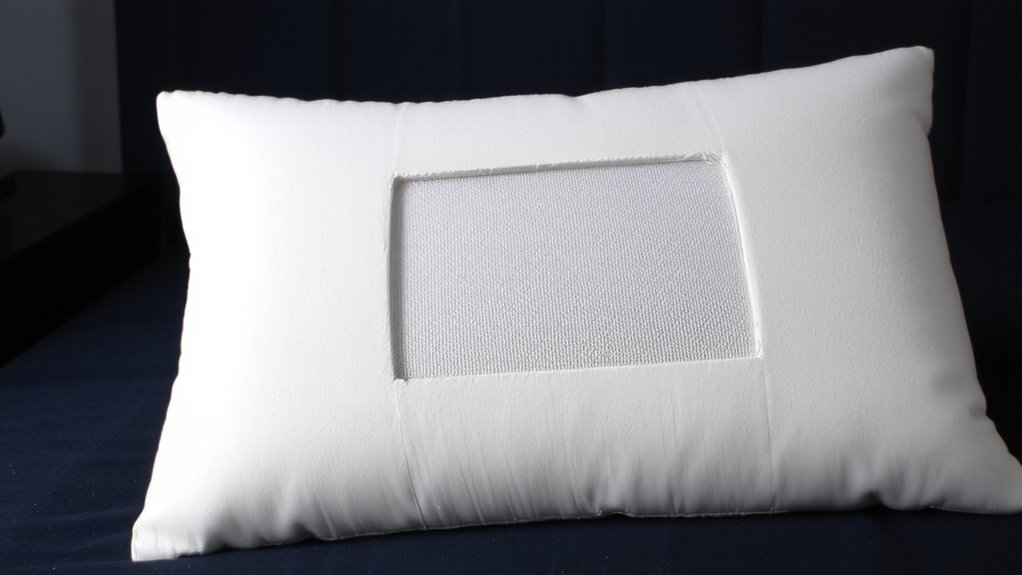
You might wake to damp pillows not because of a warm room, but due to night sweats from stress, hormones, or medications. Adding a mesh panel to your pillow’s center helps move heat and moisture away before it soaks in. Mesh vents boost airflow where you need it most-under your head and neck-keeping the surface drier longer. For best results, use 3D spacer or polyester mesh, which wick moisture and resist compression. Many cooling pillows already integrate this tech into sleep surfaces and offer trial periods so you can test performance night after night.
Notable Insights
- Mesh panel insertion in pillow centers can enhance airflow, helping to dissipate heat and moisture during night sweats.
- Central mesh placement may reduce moisture buildup, though direct contact zones on top and sides offer greater cooling effectiveness.
- Using 3D spacer or polyester mesh improves breathability and moisture dispersion, supporting better thermal regulation during sleep.
- Combining mesh inserts with moisture-wicking pillow covers enhances overall dampness control for individuals experiencing night sweats.
- Testing mesh-integrated pillows during a trial period helps evaluate actual cooling performance and suitability for managing night sweats.
Why Night Sweats Hit Your Pillow
Why does your pillow end up damp even when the room isn’t overly warm? Night sweats might be the culprit, and they’re often tied to hormonal fluctuations or stress triggers. Your body reacts to these changes by ramping up sweat production, especially during sleep. Conditions like menopause, anxiety, or certain medications can heighten this response. While your pillow absorbs moisture, it doesn’t cause the sweating-your physiology does. Recognizing patterns helps determine if it’s occasional or chronic. Tracking sleep habits, health changes, and emotional stressors offers clues. You’re not alone, and solutions exist. Consider materials that handle moisture better, though material alone won’t stop internal triggers. Addressing root causes-like managing stress or consulting a doctor about hormonal shifts-can lead to better outcomes. Sleep aids should support, not replace, informed health choices. For targeted relief, using a fan designed for cooling can improve airflow, and the best options often feature cooling fan technology to help regulate sleep temperature.
How Mesh Vents Keep Pillows Cool
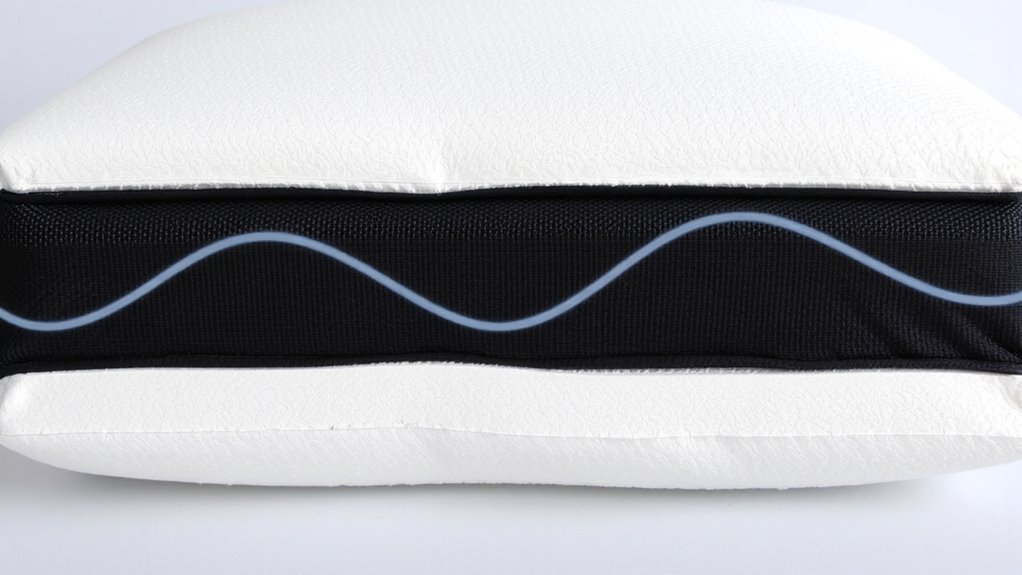
Mesh vents in pillows aren’t just a design detail-they’re built to move heat and moisture away from your head and neck. Using smart airflow dynamics, these vents draw warm air out while pulling cooler air in, helping regulate your temperature all night. The open-weave mesh also promotes moisture dispersion, so sweat doesn’t soak into the core. You stay dry, and your pillow stays fresh longer. Below is how different materials stack up in cooling performance:
| Feature | Mesh Insert | Solid Foam |
|---|---|---|
| Airflow Dynamics | High | Low |
| Moisture Dispersion | Fast | Slow |
| Breathability | Excellent | Poor |
| Comfort Over Time | Consistent | Deteriorates |
Pillows with mesh panels often come with trial periods, so you can test temperature control firsthand. It’s a practical upgrade if night sweats disrupt your sleep.
Best Spot for Mesh in a Cooling Pillow
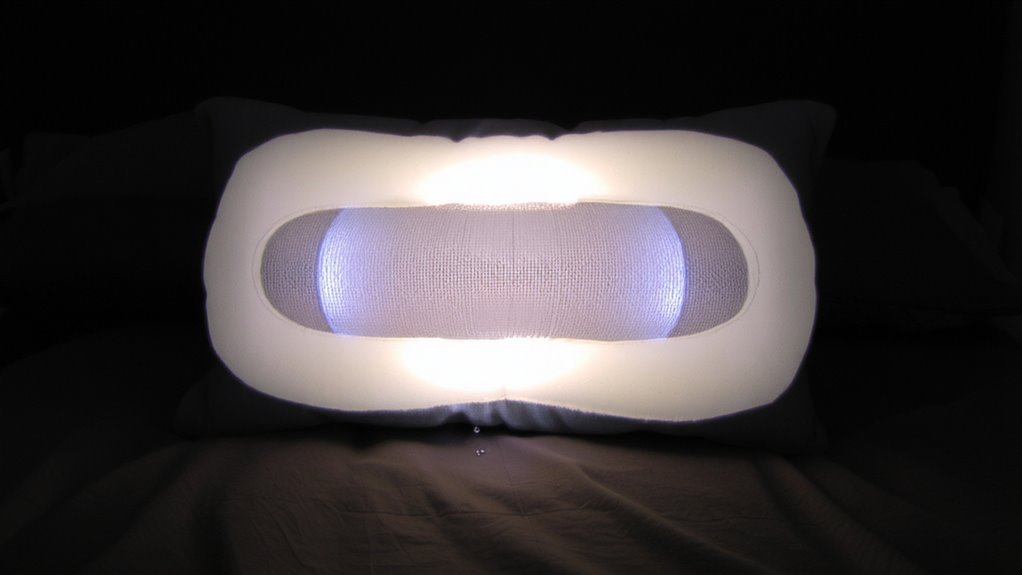
A well-designed cooling pillow places mesh where it can do the most-typically along the top and side panels, right where your head and neck make contact. This strategic placement boosts airflow channels exactly where heat builds up, letting warm air escape and cooler air circulate. You’ll notice better moisture control, especially if you tend to sweat at night. Mesh along the center may seem helpful, but without coverage where your body touches the pillow, benefits drop. Look for models that integrate mesh into the sleep surface itself, not just the sides or border. These designs support steady ventilation and wick humidity away faster. If you’re choosing between configurations, prioritize direct-contact zones. Many brands offer trial periods, so test how the airflow performs over full sleep cycles. It’s a small detail that can make a tangible difference in comfort and temperature regulation.
Top Cooling Pillows With Built-In Mesh
While airflow matters in any cooling pillow, you’ll get the best results from models that weave mesh directly into the sleep surface and sidewalls, not just as an afterthought. This kind of airflow design keeps heat from trapping around your head and neck, helping you stay comfortable through the night. Top picks often pair breathable mesh with supportive foam or fill that maintains shape over time, which boosts pillow durability. Some feature full-zip covers for easy washing, while others use seamless knitting to prevent irritation. Most come with a trial period-often 30 to 60 nights-so you can test how well they manage warmth. Look for models that balance structure and breathability, especially if you tend to overheat. Checking warranty length also gives clues about long-term performance. These pillows won’t cure night sweats, but their design can make a meaningful difference in sleep comfort. For targeted relief, consider models with cooling pillow covers designed to enhance airflow and moisture wicking.
Choosing the Right Mesh Fabric
When it comes to staying cool at night, the type of mesh fabric in your pillow plays a bigger role than you might think. Good fabric breathability allows air to circulate, helping reduce trapped heat. Effective moisture control keeps your skin dry, minimizing discomfort during sleep. Not all meshes work the same-consider knit density, fiber type, and weave structure when choosing.
| Fabric Type | Performance Traits |
|---|---|
| Polyester Mesh | High breathability, durable |
| Nylon Mesh | Quick-drying, moderate airflow |
| Cotton-Blend | Soft feel, limited moisture control |
| 3D Spacer Mesh | Superior airflow, excellent support |
Look for materials with proven ventilation and moisture-wicking labels. Many brands offer trial periods, so you can test comfort and cooling effects. A well-chosen mesh balances breathability and moisture control without sacrificing support. It’s a small change that may improve sleep quality markedly.
How to Add Mesh to Your Pillow
How do you actually get mesh into your pillow setup? Start by cutting a piece of breathable mesh to match the width of your pillow’s core. Use a seam ripper to open the center seam of the pillow cover, then insert the mesh panel right down the middle, aligning it with the pillow’s length. Sew it securely in place with durable thread, ensuring the mesh stays flat and wrinkle-free. This DIY customization lets you control placement and fit, improving airflow exactly where you need it. Choose a mesh with high fabric durability so it withstands washing and nightly use without fraying. Some brands offer mesh-ready pillows with reinforced stitching, but making your own gives you more control over materials and design. Test the pillow for comfort and breathability over several nights. If irritation occurs, adjust the mesh position or try a softer mesh weave. Always check warranty terms before altering store-bought pillows.
Sleep Habits That Beat Night Sweats
What if your nightly routine could reduce night sweats without changing your pillow at all? Small shifts in sleep habits may make a real difference. Start by choosing breathable sheets made from natural fibers like cotton or bamboo, which allow air to circulate and help wick moisture away from your skin. Sleep posture also plays a role-lying on your back can reduce heat buildup compared to curling up tightly. Keeping your bedroom cool, ideally between 60–67°F, supports stable body temperature. Avoid heavy pajamas or thick blankets; opt for lightweight, layered bedding you can adjust easily. Staying hydrated and limiting alcohol or caffeine before bed may also help. Try these changes gradually and track what works. Most are simple, low-cost adjustments with no downside, and they can improve overall sleep quality over time.
On a final note
You might find relief from night sweats by choosing pillows with mesh panel inserts, especially down the center, where heat builds. These vents improve airflow, helping regulate temperature without sacrificing support. Look for durable, breathable mesh that’s well-sewn into the pillow’s core. Many top models offer trial periods and warranties, so you can test comfort risk-free. Combine this with lighter bedding and cooler room temps for better results.