The Importance of Sleep for Maintaining Optimal Brain Functionality
You need sleep because it keeps your brain working at its best. During deep sleep, your brain clears toxins like beta-amyloid and repairs cells, while memory consolidation strengthens what you’ve learned. REM and slow-wave sleep boost recall, creativity, and emotional balance. Without enough quality rest, focus slips, moods swing, and long-term dementia risk rises. Treating sleep issues early helps protect brain function-small changes now support sharper thinking later.
Notable Insights
- Deep sleep activates the glymphatic system, clearing brain toxins like beta-amyloid linked to dementia.
- Memory consolidation during NREM and REM sleep strengthens learning and enhances long-term recall.
- Quality sleep supports brain plasticity, enabling neural regeneration and repair of daily cellular stress.
- Sleep restores emotional regulation by balancing neurotransmitters and reducing amygdala-driven fear responses.
- Sleep deprivation impairs cognition, increasing errors, reducing focus, and raising long-term risks of neural decline.
Why Sleep Is Essential for Brain Health
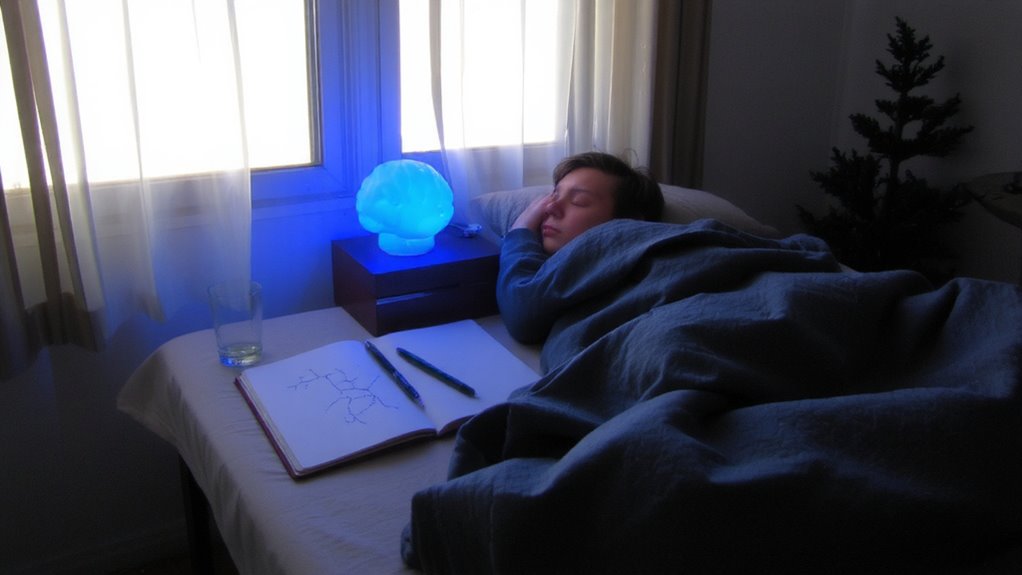
While you’re asleep, your brain isn’t shutting off-it’s recharging and reorganizing. During deep sleep, brain plasticity allows your neurons to adapt efficiently, strengthening essential connections and discarding weaker ones. This process supports long-term brain health and helps maintain cognitive flexibility. At the same time, neural regeneration occurs-your brain clears toxins and repairs damaged cells, which daily activity can stress. Without enough quality sleep, these processes slow, increasing long-term risks. If you struggle to sleep, consider evaluating sleep disorders with a professional, as untreated issues may interfere with repair cycles. Over-the-counter sleep aids may offer short-term relief, but check with your doctor first-some affect brain plasticity over time. Prioritizing consistent sleep schedules and restful environments often works better than supplements. Look for options with clear trial periods or medical guidance if trying new supports. Your brain’s nightly work is essential-support it wisely. Tracking your sleep patterns with a reliable device can help identify areas for improvement, such as optimizing best sleep trackers for better rest.
How Sleep Strengthens Memory and Learning

Because your brain stays active while you sleep, it’s actually sorting and storing what you’ve learned during the day, turning short-term memories into lasting ones. This process, known as memory consolidation, strengthens neural connections tied to new skills and information. At the same time, synaptic pruning quietly removes weaker connections, making your brain more efficient. Both processes work together to enhance learning and cognitive performance.
| Sleep Stage | Role in Learning | Impact on Memory |
|---|---|---|
| NREM 2 | Initiates memory consolidation | Supports factual recall |
| Slow-Wave (NREM 3) | Deep memory consolidation | Strengthens complex knowledge |
| REM | Integrates emotional memories | Boosts creativity and problem-solving |
Getting consistent, high-quality sleep supports these functions. If you struggle with sleep, consider evaluating sleep disorders or discussing safe, evidence-based sleep aids with a healthcare provider. Look for options with clear trial periods and minimal next-day effects to make informed choices.
How Deep Sleep Clears Toxins Linked to Dementia

Your brain doesn’t just rest during deep sleep-it gets to work clearing out waste that builds up while you’re awake. This cleanup, called neural detoxification, ramps up when you’re in deep sleep, thanks to the glymphatic system. Think of this system as your brain’s plumbing, flushing out toxins like beta-amyloid, which is linked to dementia. During deep sleep, brain cells actually shrink, creating more space for cerebrospinal fluid to sweep through and carry away harmful proteins. Without enough quality sleep, this process slows, raising long-term risks. Sleep aids or devices might help you fall asleep faster, but they don’t always support deep sleep stages where detox happens. If you have a sleep disorder like sleep apnea, treating it improves deep sleep and glymphatic flow. Prioritizing consistent sleep schedules and reducing alcohol before bed enhances this essential process. Check warranties on sleep trackers that monitor stages-some offer trial periods to assess real benefits.
How Sleep Stabilizes Emotions and Reduces Anxiety
When you’re short on sleep, your brain’s emotional control center doesn’t function as smoothly, making small stresses feel bigger and harder to manage. Quality sleep supports emotional regulation by letting your brain process feelings calmly. It also contributes to anxiety reduction, helping you stay balanced during daily challenges. Over time, consistent rest strengthens your resilience. A supportive sleep environment, including a high-quality hybrid mattress, can enhance sleep quality and overall brain health.
| Benefit | How Sleep Helps |
|---|---|
| Emotional regulation | Restores brain regions that manage reactions to stress |
| Anxiety reduction | Lowers activity in the amygdala, reducing fear responses |
| Mood stability | Rebalances neurotransmitters like serotonin |
| Mental clarity | Supports prefrontal cortex function for better decision-making |
Choosing a consistent sleep schedule, limiting screen time before bed, and considering professional help for sleep disorders can all improve emotional health. Some find sleep aids useful short-term, especially with a doctor’s guidance. Look for products with clear trial periods and safety information to make informed choices.
How Sleep Deprivation Harms Focus and Creativity
While you may push through late nights to meet deadlines or scroll mindlessly, skipping sleep quietly chips away at your ability to concentrate and think creatively. You’re likely to experience impaired concentration, making it harder to stay on task or process information quickly. Without enough rest, your brain struggles to connect ideas, leading to reduced innovation in problem-solving and creative thinking. Simple mental tasks take longer, and mistakes become more frequent. Regular, quality sleep supports cognitive functions that keep your focus sharp and ideas flowing. If you notice ongoing focus issues, consider evaluating your sleep schedule, looking into sleep disorders like insomnia or apnea, or exploring FDA-cleared sleep aids with clear instructions and trial periods. Many devices and apps offer performance data and warranties, helping you make informed choices. Prioritizing sleep isn’t a luxury-it’s a practical step to maintain mental clarity and creativity over time.
Why Chronic Sleep Loss Raises Dementia Risk
Poor sleep doesn’t just dull your focus today-it can also affect your brain’s health decades down the line. When you regularly cut sleep short, your brain doesn’t get enough time to clear out toxins, leading to neural inflammation. Over time, this low-grade inflammation stresses brain cells and increases the risk of long-term damage. Chronic sleep loss also contributes to synaptic deterioration, weakening the connections that help neurons communicate. Without consistent, quality rest, these processes accelerate, making your brain more vulnerable to conditions like dementia. While occasional poor sleep won’t doom you, years of disrupted patterns can. Addressing sleep disorders early-through monitoring, medical advice, or carefully considered sleep aids-may reduce these risks. Look for options with proven performance, clear instructions, and solid warranties if trying new tools. Your long-term brain health may depend on the choices you make now.
7 Proven Sleep Habits for a Sharper Brain
Sleep is your brain’s nightly tune-up, and sticking to proven habits can make a real difference in how sharp you feel. Consistent sleep timing strengthens memory and focus, while irregular patterns can impair thinking. Short naps offer real nap benefits-just 20 minutes boosts alertness without grogginess. Aim for a fixed bedtime and wake time, even on weekends, to anchor your rhythm. Avoid screens an hour before bed to support natural melatonin release.
| Habit | Benefit | Tip |
|---|---|---|
| Fixed sleep timing | Stabilizes circadian rhythm | Use a bedtime alarm |
| 20-min naps | Enhances focus, mood | Nap before 3 p.m. |
| Dark, cool room | Deepens sleep quality | Set temp to 65–68°F |
Choose routines backed by research to support long-term brain health.
On a final note
You need sleep to think clearly, remember well, and stay emotionally balanced. Deep sleep clears brain toxins linked to dementia, while poor sleep hurts focus and raises long-term risks. If you struggle nightly, assess habits first-consistent timing, dark rooms, and limited screens help. For persistent issues, consult a professional before trying aids. Many over-the-counter options lack strong evidence and may affect performance. Prescription treatments offer more reliable results, often with trials and monitoring to guarantee fit.