How to Minimize Sleep Interruptions Caused by Nocturnal Muscle Cramps and Stiffness
You can reduce nighttime cramps by stretching your calves and hamstrings before bed, holding each for 30 seconds to ease muscle tightness. Stay hydrated and balance electrolytes with foods like bananas or a low-dose supplement. Choose a mattress that supports your sleep position-medium-firm works well for side sleepers, firmer for back sleepers-and keep your neck aligned. If cramps keep worsening, there’s more to examine about underlying causes.
Notable Insights
- Stretch calves and hamstrings before bed to reduce the frequency of nocturnal muscle cramps.
- Stay hydrated and maintain balanced electrolytes with potassium, magnesium, and sodium-rich foods.
- Choose a mattress that supports proper spinal alignment and matches your preferred sleep position.
- Use a supportive pillow to maintain neutral neck posture and prevent sleep-related muscle stiffness.
- Consult a doctor if cramps occur frequently or disrupt sleep multiple times per week.
Understand Why Nighttime Cramps Happen
Why do your legs suddenly lock up just as you’re drifting off to sleep? It’s often due to muscle fatigue or nerve dysfunction. When your muscles are overworked during the day, they become more prone to cramping at night. Nerve dysfunction can also send incorrect signals to your muscles, triggering sudden contractions. These issues are common and don’t always point to a serious condition, but they can disrupt your sleep cycle. Factors like dehydration, poor circulation, or prolonged sitting may contribute. Monitoring patterns helps determine whether lifestyle changes suffice or if medical guidance is needed. Some people find relief with gentle movement or hydration before bed. Others consider sleep aids or compression garments, which may support circulation. Look for products with trial periods so you can assess comfort and performance. Always review warranty details in case adjustments are necessary. For targeted relief, consider best OTC solutions that are formulated specifically for leg cramp prevention and muscle relaxation.
Stretch These Muscles Before Bed
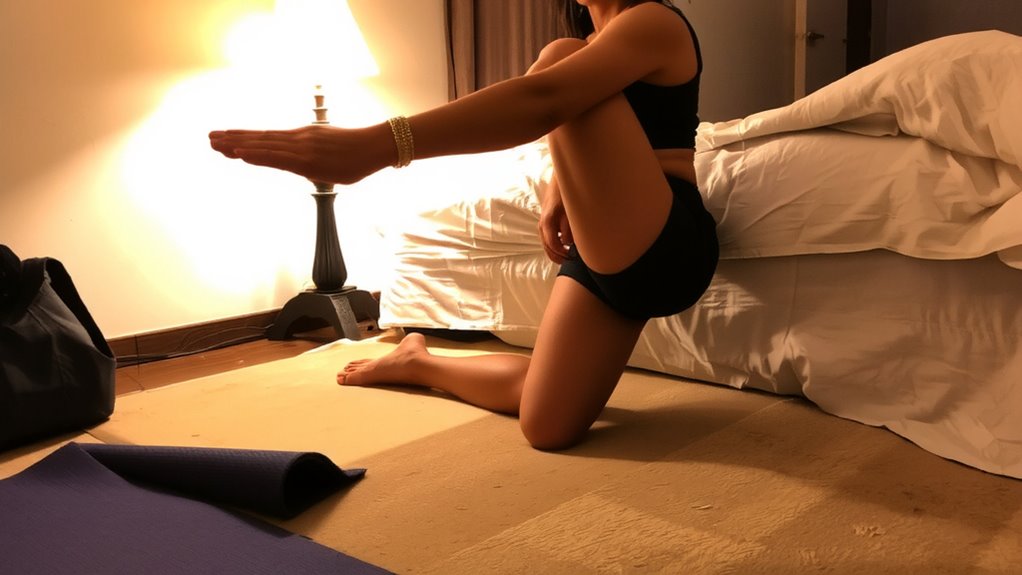
While your body winds down for sleep, taking a few minutes to stretch key muscle groups can reduce the likelihood of nighttime cramps and stiffness. Focus on calf stretching, as tight calves often trigger cramps during the night. Stand facing a wall, place one foot behind you, and press the heel into the floor-hold for 30 seconds per side. Improving hamstring flexibility also helps, especially if you sit a lot during the day. Try a seated forward bend: extend your legs, reach toward your toes, and keep your back straight. Hold each stretch without bouncing to avoid strain. These simple movements encourage blood flow and muscle relaxation, supporting better sleep quality. You don’t need special gear-just consistent effort. Over time, regular stretching may reduce cramp frequency and support more restful sleep without sleep aids or medical intervention.
Hydrate and Rebalance Your Electrolytes

Staying well-hydrated and maintaining balanced electrolytes can make a noticeable difference in reducing nighttime muscle cramps and stiffness. You lose fluids and minerals like potassium, magnesium, and sodium throughout the day, especially if you’re active. An electrolyte imbalance disrupts nerve and muscle function, increasing cramp risk. Drinking water helps, but if you’re low on key minerals, hydrating alone won’t fix the problem. Consider adding an electrolyte supplement or eating foods like bananas, spinach, and avocados in the evening. Watch for signs of fluid retention-swollen ankles or bloating-as overloading on electrolytes can sometimes worsen it. Balance is key. Try a low-dose electrolyte drink before bed and monitor how you feel. Many supplements offer money-back trials, so test one for a few weeks to see if it reduces stiffness or cramping without side effects. For targeted support, consider a magnesium supplement formulated specifically for nerve health.
Pick a Supportive Mattress and Sleep Position
A good night’s rest often starts with the right foundation-your mattress and sleep position can greatly influence how often you wake with stiff or cramped muscles. The right mattress firmness supports your spine without pressing too hard on pressure points, which helps reduce muscle strain. If you sleep on your side, a medium-firm mattress may keep your hips and shoulders aligned, while back sleepers often do better with slightly firmer support. Your sleep posture matters just as much; using a pillow to keep your neck neutral can prevent stiffness. Try not to curl tightly or stretch awkwardly, as poor sleep posture may trigger cramps. Many quality mattresses offer trial periods, so test one for at least 30 nights. Look for warranties covering 10 years or more to protect your investment in better rest. For those seeking balanced comfort and support, consider exploring the best semi-firm mattresses based on expert evaluations and user feedback.
See a Doctor If Nighttime Cramps Worsen
Why do your nighttime cramps keep getting worse? If you’ve noticed increased frequency or intensity, it might signal underlying issues needing a medical evaluation. Don’t ignore clear signs of symptom progression, like cramps that disrupt sleep several times a week or cause lingering soreness. Some causes-such as electrolyte imbalances, nerve disorders, or medication side effects-require professional diagnosis. A doctor can review your health history, run tests, and assess whether sleep-related conditions contribute. Early evaluation helps rule out serious concerns and guides better treatment choices. While home strategies often help, worsening symptoms mean it’s time to go beyond self-care. You may need targeted interventions, from adjusted supplements to prescription options. Getting answers supports not just comfort but long-term sleep quality. Trust the process-timely medical attention improves outcomes without unnecessary risk.
On a final note
You can reduce nighttime cramps by stretching calves and feet before bed, staying hydrated, and balancing electrolytes like potassium and magnesium. A supportive mattress and proper sleep posture also help. If cramps persist or worsen, talk to a doctor to rule out underlying conditions. Consider trying sleep aids like compression socks or heated blankets cautiously, checking return policies. Small, consistent changes often improve sleep quality over time.