Using a Layered Bed Design to Extend the Life of Older Bedding
You can extend your older mattress’s life by layering it with a supportive topper and a firm base. Try a gel-infused memory foam topper for comfort and cooling, and add a plywood or dense foam base to stop sinking. Rotate the mattress every 3 to 6 months to even out wear. An adjustable base may help with alignment, if compatible. Good airflow from breathable covers or slatted frames prevents heat and odor. There’s more to contemplate for long-term support and sleep quality.
Notable Insights
- Rotate your mattress every 3 to 6 months to evenly distribute wear and minimize sagging over time.
- Add a high-density foam topper to restore support and prolong the comfort life of an aging mattress.
- Place a firm base layer, such as plywood or dense foam, under the mattress to reinforce structural support.
- Use a breathable, cooling topper with a removable cover to improve comfort and reduce heat-related material breakdown.
- Pair the mattress with an adjustable base to enhance alignment and reduce pressure points, extending its usable life.
Fix Your Sagging Mattress Without Replacing It
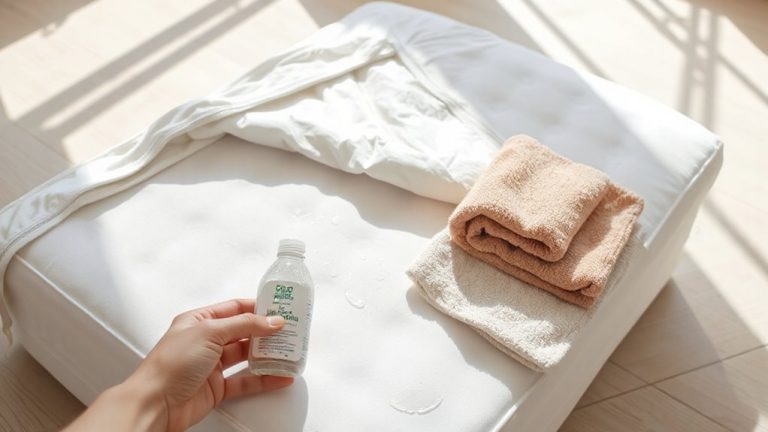
While you might think a sagging mattress means it’s time for a replacement, there are several practical fixes that can extend its life and improve comfort. Regular mattress rotation helps even out wear and supports better weight distribution, especially if you or your partner sleep in the same spot nightly. Over time, consistent rotation can reduce noticeable dips by shifting pressure across the surface. You should rotate your mattress every three to six months, depending on usage and manufacturer guidelines. Uneven weight distribution often accelerates sagging, so consider adjusting sleeping positions or using a firmer base for added stability. Some models include reinforced edges or higher-density foams to resist indentation. Check your warranty-many allow for normal sagging within a certain depth before coverage applies. With proper care, including rotation and attention to support, your current mattress may still meet your sleep needs effectively. Adding a best mattress topper for sagging beds can further enhance comfort by filling in depressions and providing an extra layer of support.
Pick the Best Topper for Comfort and Support
A good topper can make a noticeable difference in how your bed feels, especially as you look to improve comfort without replacing the entire mattress. When choosing one, consider how materials like memory foam and cooling gel affect support and temperature control. Memory foam conforms well to your body, easing pressure points, while cooling gel helps regulate sleep temperature-key if you tend to overheat at night.
| Material | Support Level | Cooling Effect |
|---|---|---|
| Memory Foam | High | Moderate |
| Cooling Gel | Medium-High | High |
| Gel-Infused Memory Foam | High | High |
| Traditional Foam | Medium | Low |
Look for a topper with a removable, breathable cover and at least a 1-year trial. These features let you test comfort and guarantee long-term performance. Wool mattress protectors offer natural temperature regulation and moisture-wicking properties, making them an excellent choice for enhancing sleep comfort and extending bedding life through a wool mattress protector.
Add a Firm Base Layer to Stop Sinking
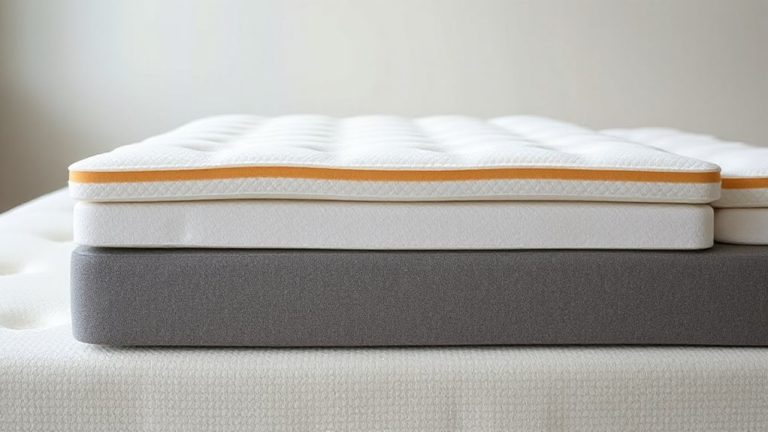
If your mattress sags or feels unstable, adding a firm base layer can help restore support and prevent that sinking sensation. A solid base improves foundation reinforcement, distributing weight more evenly and reducing wear on older mattresses. This added layer also boosts edge support, making it easier to sit or sleep near the perimeter without feeling like you’ll roll off. Look for dense foam or plywood-reinforced platforms designed specifically for stability. These materials resist compression over time, maintaining structure where older mattresses often fail. Some base layers come with trial periods or warranties, letting you test the improvement risk-free. Make sure the base fits your frame and complements your topper’s firmness. Strong foundation reinforcement doesn’t fix all wear, but it can extend usability months or even years, especially when paired with proper bedding choices. It’s a practical step toward more restful, supported sleep. For those considering a dedicated firm option, a best firm futon mattress can serve as an excellent base layer due to its durability and supportive construction.
Use an Adjustable Base (If Your Mattress Can Handle It)
One smart upgrade to contemplate is switching to an adjustable base, especially if your mattress is still in decent shape and you want more control over comfort. You can elevate comfort by adjusting your head and feet to reduce pressure and support better blood flow. This feature helps improve alignment, especially if you have back or joint concerns. Most memory foam and some hybrid mattresses work well with adjustable bases, but always check your warranty first-some models void coverage if used on an incompatible foundation. Look for bases with smooth motors, easy remotes, and zero-gravity presets for better rest. Many brands offer trial periods and 10-year warranties, so you can test long-term performance. While pricier than standard frames, the benefits in sleep posture and nightly adaptability may be worth it-particularly if you read or watch TV in bed. Just make certain your mattress is labeled as adjustable-base-compatible to avoid damage or voided claims.
Layer Topper and Base for Total Pressure Relief
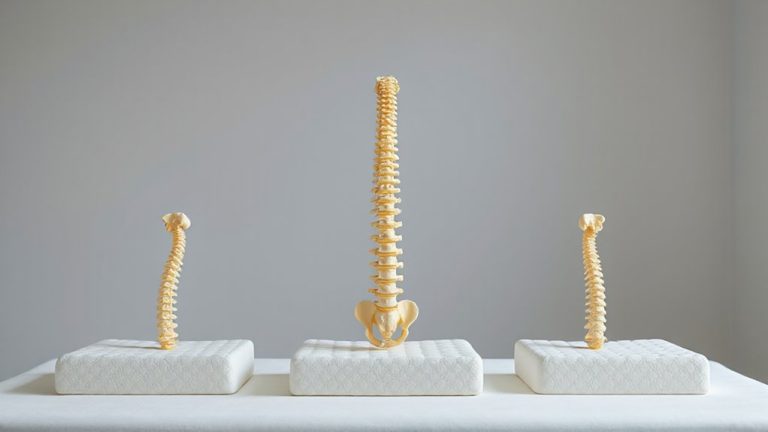
You’ve got your base set, whether it’s adjustable or standard, but your mattress might still leave pressure points unaddressed-especially if it’s firm or worn. Adding a quality topper helps by introducing zoned support, which contours to your hips and shoulders while keeping your spine aligned. Look for models with a dual feel-softer on top for comfort, firmer beneath for stability-to balance relief and support. Memory foam or latex toppers with this design respond well to body shape and weight distribution, easing aches over time. Many come with trial periods and warranties, letting you test comfort risk-free. A properly layered setup can make an older mattress feel rejuvenated, improving sleep quality without full replacement. Just make certain your topper and base work together without slipping or compressing unevenly. With the right combo, you’re more likely to wake up rested, not sore.
Boost Airflow to Prevent Wear and Odors
While your mattress topper adds comfort and support, poor airflow can trap heat, moisture, and odors over time-especially in memory foam or older bed layers. To extend your bedding’s life, focus on ventilation strategies that promote constant air movement. Slatted bed frames, breathable cotton or bamboo covers, and elevated mattress foundations all help. These choices improve moisture control, reducing the damp conditions where mold and mildew thrive. Gel-infused foams and open-cell designs also allow better breathability, keeping sleep surfaces cooler and drier. Over time, consistent airflow minimizes material breakdown and odor buildup, preserving support. If you’re sensitive to heat or live in a humid climate, these features become even more important. Regularly rotating your topper and letting it air out can further enhance performance. Simple adjustments in ventilation strategies make a measurable difference in both comfort and durability.
On a final note
You can extend your older mattress’s life with a layered approach. Start with a supportive base to prevent sinking, then add a quality topper for cushioning. Choose materials like memory foam or latex based on your comfort needs and sleep position. An adjustable base may help if your mattress allows it. These layers improve airflow and pressure relief. Test options with trial periods and check warranties for long-term value.