How to Prevent Pilling on Flannel Sheets During Washing
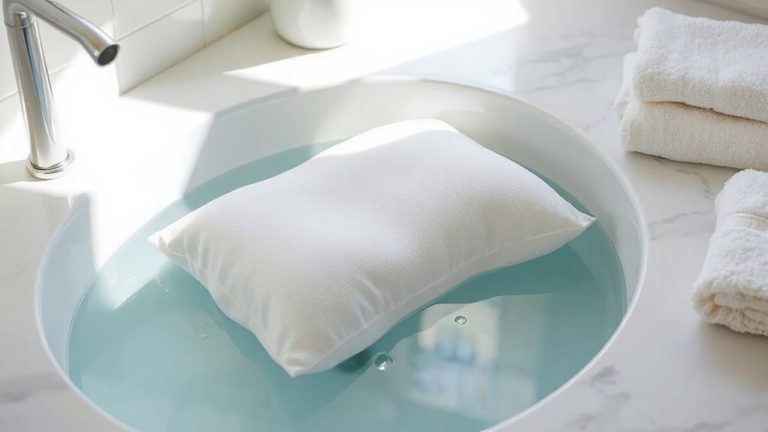
Wash your flannel sheets in cold water to reduce fiber stress and prevent pilling. Turn them inside out to shield the soft surface from friction, and use a gentle, fragrance-free detergent to avoid breaking down fibers. Don’t overload the washer-leave space so sheets move freely. Air dry them flat or on a line, away from direct sun. Wash them only when needed to limit wear. You’ll find these steps make a noticeable difference over time.
Notable Insights
- Wash flannel sheets in cold water to reduce fiber stress and prevent pilling.
- Turn sheets inside out before washing to protect the brushed surface from abrasion.
- Use a gentle, free & clear detergent to avoid harsh chemical damage to fibers.
- Avoid overloading the washer to allow proper movement and reduce friction.
- Air dry sheets flat or on a line to eliminate heat and agitation damage.
Wash Flannel Sheets in Cold Water
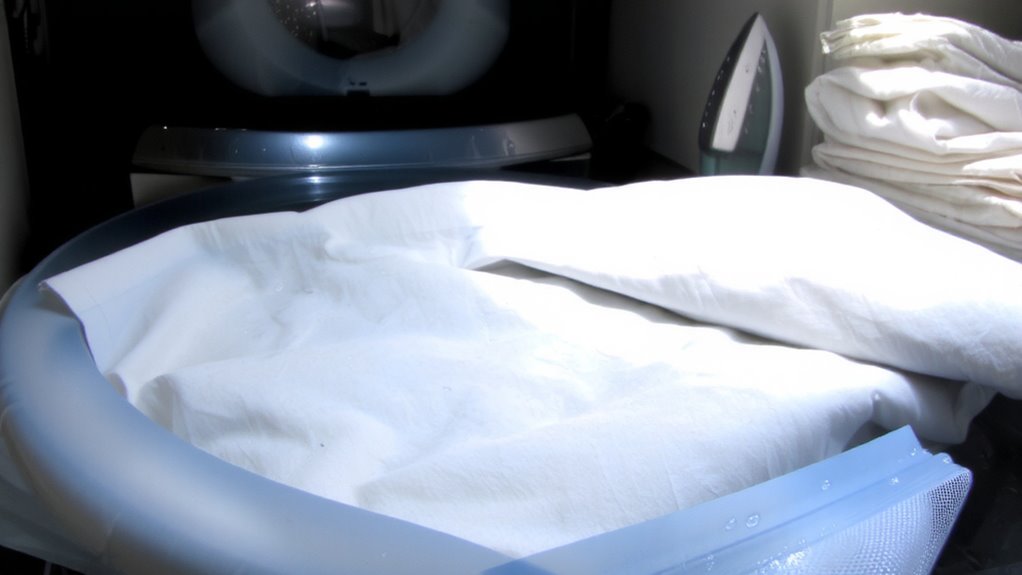
You’ll want to wash your flannel sheets in cold water to help preserve their softness and reduce the chance of pilling over time. The right water temperature matters-cold water prevents excessive fiber stress and helps maintain fabric integrity. Hot water can weaken the fibers and lead to more abrasion, increasing pilling risk. Always use the gentle cycle on your washing machine, as it reduces agitation and limits friction between fabrics. This combination of cold water and a gentle cycle supports the sheet’s construction, keeping the brushed surface intact longer. Over time, proper care improves performance and durability, which matters if you value comfort during sleep. Following these guidelines won’t cure sleep disorders or replace sleep aids, but it can enhance sleep quality by maintaining a smooth, cozy feel. Check manufacturer instructions-they often back this method with care recommendations or warranty details if followed. For best results, consider investing in highly rated best flannel sheets that are designed for long-lasting softness and pilling resistance.
Turn Flannel Sheets Inside Out
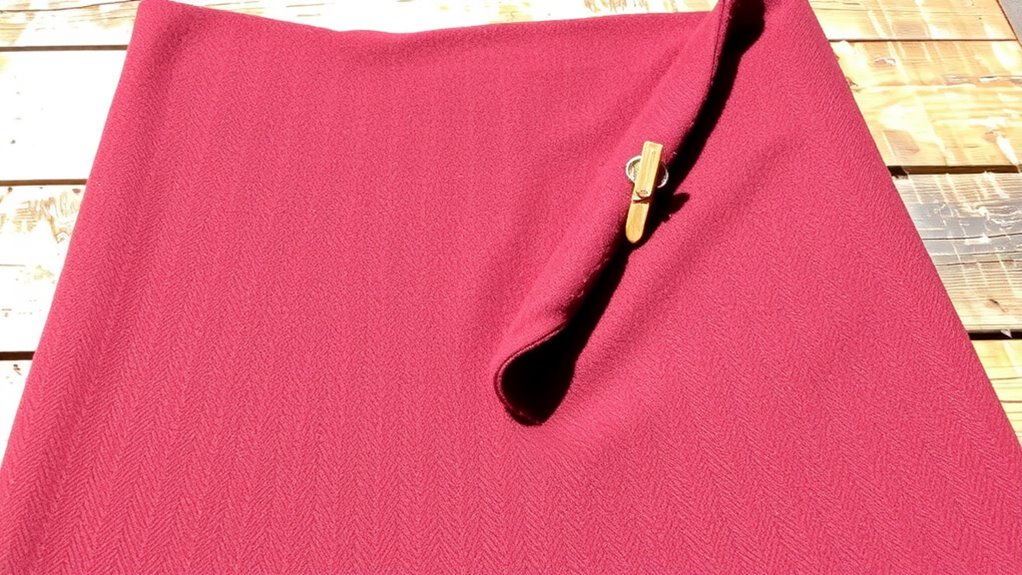
Turning flannel sheets inside out before washing adds another layer of protection for the soft, brushed surface you value for comfort. This simple step reduces friction between the outer fabric and other laundry, helping prevent pilling over time. Always pair this with a gentle cycle to minimize agitation that can weaken fibers. The delicate movement of the wash helps preserve the fabric’s integrity, especially when combined with cold water. Avoid using fabric softener, as it can coat fibers and reduce breathability, potentially affecting sleep quality over time. Instead, rely on proper washing techniques to maintain softness naturally. Turning sheets inside out also shields prints and colors from fading, keeping them looking fresh longer. It’s a small habit that supports long-term performance. With consistent care, your flannel sheets stay smooth and comfortable, contributing to a more restful sleep environment without irritation or texture changes.
Use a Detergent Without Harsh Chemicals
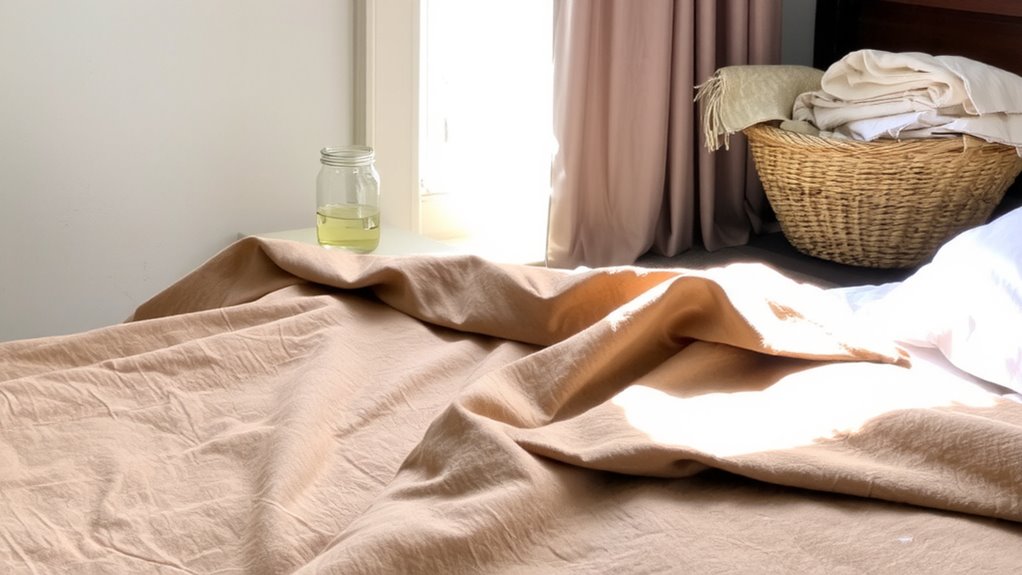
A detergent free of harsh chemicals helps maintain the integrity of flannel sheets by cleaning gently without stripping natural fibers or damaging the brushed surface. You’ll want to choose a detergent with a gentle formula to protect the fabric’s soft texture and reduce wear over time. Many standard detergents contain bleach, brighteners, or strong surfactants that can break down delicate flannel fibers, leading to pilling. If you have chemical sensitivity, these additives may also irritate your skin, especially during prolonged contact while sleeping. Opting for a hypoallergenic or fragrance-free detergent minimizes this risk. Look for labels that specify “free & clear” or “for sensitive skin,” as these often mean fewer irritants. Using the right detergent not only preserves your sheets but supports better sleep hygiene by reducing potential skin discomfort.
Don’t Overload the Washer
When washing flannel sheets, avoiding an overstuffed washer helps reduce friction that can weaken fibers and lead to pilling over time. You should leave enough space-about a hand’s width-for sheets to move freely during the wash cycle. A proper load size guarantees gentle agitation and minimizes fiber stress. Overloading forces fabrics to rub excessively, accelerating wear. At the same time, avoid running a tiny load, as too little mass can create similar strain. Balance your load size to match your machine’s capacity. Also, adjust the detergent amount accordingly-too much can leave residue, while too little might not clean effectively. Use only the recommended dose based on your water hardness and soil level. This balanced approach supports fabric longevity and keeps flannel soft.
Air Dry to Prevent Pilling
Since high heat can damage delicate flannel fibers and increase pilling, air drying is your best option for preserving softness and fabric integrity. You’ll avoid the tumble drying risks that come from friction and elevated temperatures, both of which weaken fibers over time. Simply lay your sheets flat on a drying rack or hang them on a clothesline away from direct sunlight to prevent fading. This gentle method supports the fabric’s natural structure and reduces wear. While fabric softener effects may feel cozy, they can combine with heat to break down fibers faster, especially in repeated drying cycles. Air drying eliminates that compound stress. It’s a small step that makes a noticeable difference in how long your flannel stays plush. Over time, this practice helps maintain comfort and reduces the need for frequent replacements. Letting sheets air dry isn’t just safer-it’s a practical choice for those who value durability and consistent sleep comfort.
Wash Flannel Sheets Only When Necessary
You’ve already protected your flannel sheets by air drying them to reduce fiber stress, but how often you wash also plays a key role in preventing pilling. Infrequent washing helps preserve the fabric’s soft surface and reduces agitation that wears down fibers over time. Since flannel is brushed for warmth, repeated washing can weaken the raised fibers, especially if there’s minimal wear between uses. If your sheets don’t have spills, sweat buildup, or noticeable odors, you might extend use for several nights without harm. This approach supports fiber integrity while maintaining comfort through repeated exposure. Washing only when necessary also reduces long-term wear on stitching and seams, helping sheets last. Over time, less laundering means fewer chances for pilling to develop. You’re balancing cleanliness with fabric care, giving your sheets longer life between washes while still ensuring a clean sleep surface. Consider your actual use-minimal wear means you can safely wait.
On a final note
You’ll keep flannel sheets soft and pill-free by washing them in cold water, turning them inside out, and using gentle, chemical-free detergent. Don’t overload the machine-this reduces friction. Air drying extends fabric life, though low-heat tumble drying works if needed. Wash only when necessary to preserve fibers. These steps maintain performance and comfort over time, supporting better sleep through fabric care that protects texture and durability without harsh trade-offs.