Lemon Balm for Sleep & Anxiety: Dosage Guide (300–600mg)
You can use lemon balm to support sleep by taking 300–600 mg in capsule form, sipping a tea with 1–2 teaspoons of leaves, or using 15–30 drops of tincture about 30 to 60 minutes before bed. It helps calm the nervous system by influencing GABA and reducing anxiety-driven mental chatter. Pairing it with chamomile or passionflower may enhance results. Consistent use over time improves sleep quality without daytime sedation. More details follow on how it works and what to keep in mind.
Notable Insights
- Lemon balm reduces anxiety-related insomnia by calming the nervous system through GABA modulation.
- Use 300–600 mg of lemon balm supplement or tea 30–60 minutes before bed for optimal sleep support.
- Combine lemon balm with chamomile or passionflower to enhance relaxation and improve sleep onset.
- Effects build over time; consistent nightly use helps reduce nighttime anxiety and improve sleep quality.
- Start with a low dose and monitor for side effects, especially if taking sedatives or thyroid medications.
Why Lemon Balm Helps Anxiety-Related Insomnia
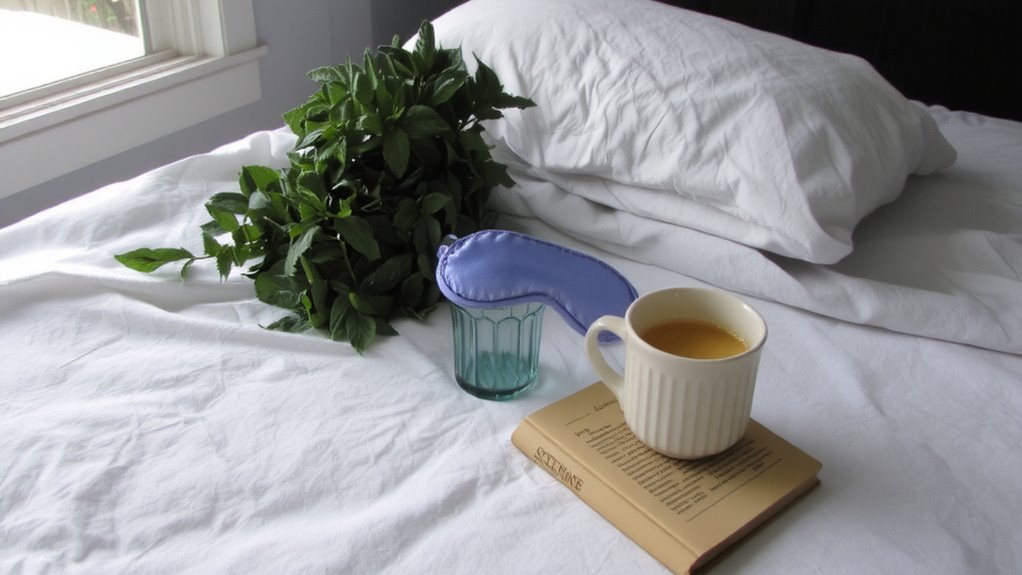
While research is still evolving, lemon balm appears to help ease anxiety-related insomnia by gently influencing the nervous system. You may notice it supports balance in brain chemistry, particularly by interacting with GABA, a neurotransmitter that calms neural activity. This effect doesn’t sedate but instead reduces the mental chatter that often delays sleep onset. By modulating stress signals, it helps your body shift more smoothly into restful states. Over time, this can lead to more consistent sleep cycles, improving both sleep quality and duration. Unlike some stronger sleep aids, lemon balm doesn’t carry risks of dependency or grogginess. It works subtly, so results may take a few nights to become clear. You’ll want to track changes in your mood and sleep patterns over a week or two to assess its impact. Consider it a gentle option if you prefer natural support.
How to Use Lemon Balm for Sleep (Tea, Tincture, Supplement)
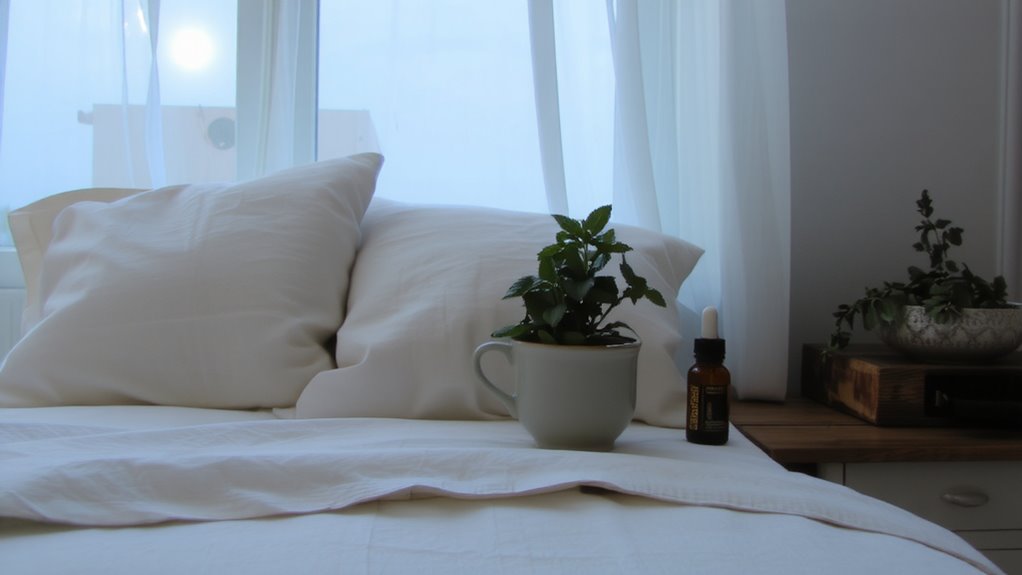
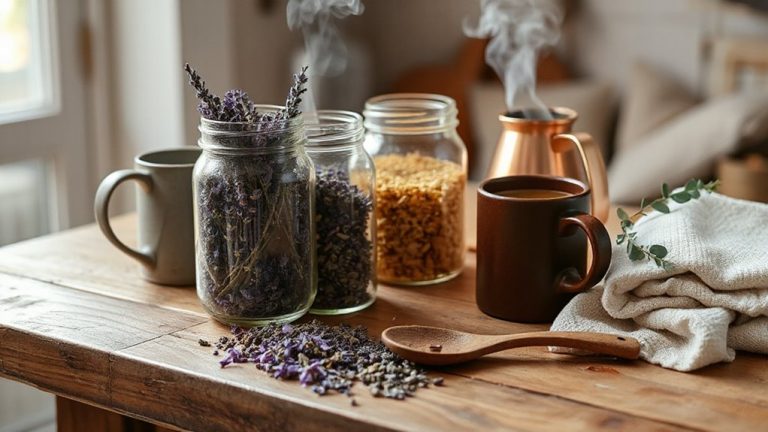
How do you get the most out of lemon balm for better sleep? You can use it as tea, tincture, or supplement, each with unique benefits. For tea, try fresh or dried leaves from your own lemon balm cultivation-it guarantees freshness. Follow tea preparation tips: steep 1–2 teaspoons in hot water for 5–10 minutes to extract calming compounds. Drink 30–60 minutes before bed. Tinctures offer faster absorption; take 15–30 drops in water as directed. They’re portable and precise. Supplements provide consistent dosing, usually 300–600 mg, and are ideal if you dislike the herb’s taste. All forms are generally safe for short-term use, though mild digestive effects may occur. Start with the lowest effective dose. Choose products with clear labeling and third-party testing when possible. Try each form to see what fits your routine and sleep goals.
Boost Lemon Balm’s Effects With These Herbs
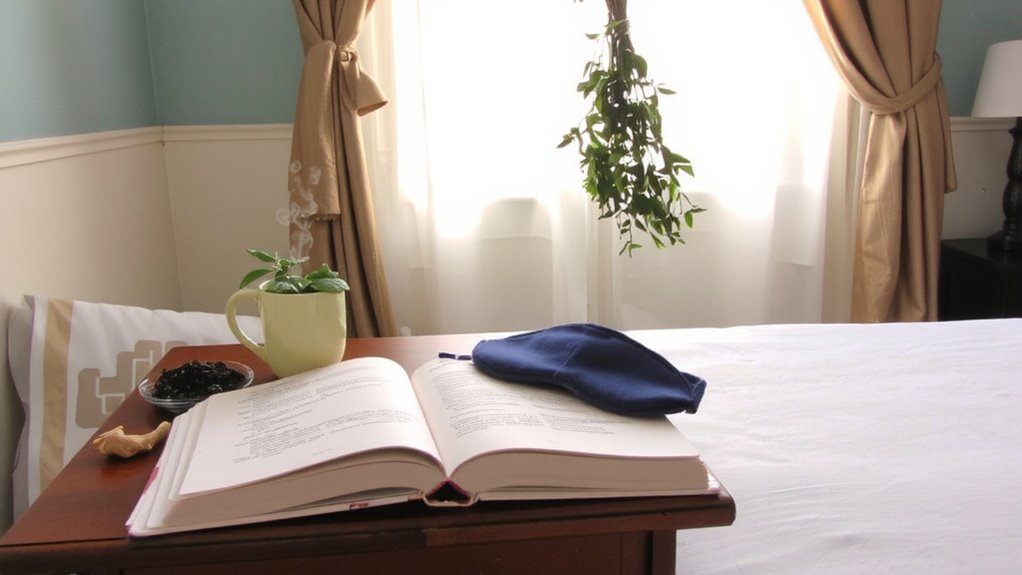
What if you could enhance lemon balm’s calming effects by combining it with other sleep-supportive herbs? Synergistic combinations can improve its overall performance, especially when used as part of thoughtful herbal pairings. Try blending lemon balm with passionflower, which together may support relaxation and faster sleep onset. Another option is pairing it with chamomile-both herbs have mild sedative properties and work well in teas. For deeper calm, consider combining lemon balm with valerian root, though this mix may take a few days to feel fully effective. These herbal pairings are available in premade supplements, teas, or tinctures, often with clear dosing instructions. Most blends come with a 30-day satisfaction guarantee, allowing you to test them safely. Always check labels for ingredient transparency and consider consulting your healthcare provider before starting any new sleep aid.
How Lemon Balm Soothes the Nervous System
You’ve likely heard about combining lemon balm with other calming herbs for better sleep, but understanding how it works on your nervous system can help you make smarter choices about when and how to use it. Lemon balm supports calmness through neurotransmitter modulation, gently influencing chemicals like GABA that help quiet an overactive mind. This action may reduce nighttime anxiety and help you shift into sleep more smoothly. It also offers adrenal support by helping your body manage stress hormones, which can stay elevated in anxiety disorders. When your adrenals are less overworked, your sleep cycle benefits. These effects aren’t immediate, but with consistent use, you might notice improved sleep quality over time. It’s not a sedative, so it won’t force sleep, but it helps create the internal conditions for rest. Knowing how it works helps you decide if it’s a good fit for your sleep support plan, especially when stress or anxiety interferes with rest.
Lemon Balm Dosage: Best Timing for Sleep
When should you take lemon balm for the best chance at improved sleep? For ideal timing, take it 30 to 60 minutes before bed so your body can absorb it as you wind down. This gives the calming compounds time to work when you need them most. Most studies use doses between 300 and 600 mg, often in capsule or tea form. Starting lower helps you gauge your response. Consistency matters-taking lemon balm at the same time each night supports dosage consistency, which can improve results over time. Don’t expect immediate changes; it may take a few days to notice differences in how easily you fall asleep or stay asleep. Pairing it with a regular bedtime routine boosts effectiveness. Always follow label instructions or your healthcare provider’s advice to stay within safe limits while finding what works best for your sleep pattern.
Is Lemon Balm Safe? What to Watch For?
Could a natural remedy like lemon balm be right for your sleep routine without causing unwanted side effects? For most people, it’s well-tolerated, but you should still watch for potential side effects and drug interactions. Mild symptoms like drowsiness, nausea, or stomach upset can occur, especially at higher doses. If you’re on sedatives, thyroid meds, or anxiety treatments, lemon balm may affect how they work, so talk to your doctor first.
Consider these key safety points:
| Concern | Risk Level | What to Do |
|---|---|---|
| Side effects | Low | Start with a low dose |
| Drug interactions | Moderate | Consult your healthcare provider |
| Long-term use | Unclear | Limit use to 4–6 weeks without guidance |
Staying informed helps you make safer choices for sleep support.
On a final note
You can use lemon balm to help ease sleep problems linked to anxiety. It works gently, especially as tea, tincture, or supplement. Pairing it with herbs like chamomile may boost effects. Take it 30 to 60 minutes before bed for best results. Most people tolerate it well, but start with a low dose to check your response. Always talk to your doctor first, especially if you take other medications.