Why You Might Be Waking Up Gasping: Sleep Apnea and Cycle Interruption
You might wake up gasping because sleep apnea briefly stops your breathing, often due to a blocked airway or disrupted brain signals. Your throat muscles relax too much, cutting off airflow until your brain forces a micro-awakening to restart it. These interruptions prevent deep, restful sleep and can happen dozens of times per hour. Even with 8 hours in bed, you may feel tired, foggy, or low on energy. Untreated, it raises risks for heart issues and hormonal imbalances. Treatments like CPAP machines, oral appliances, or surgery can keep your airway open and stabilize breathing. Many devices now offer adjustable settings, quiet operation, and comfortable masks for better nightly use. Exploring your options could help you find lasting relief.
Notable Insights
- Waking up gasping can result from obstructive sleep apnea, where the airway temporarily collapses during sleep.
- Breathing pauses disrupt sleep cycles, causing brief awakenings to restore airflow, often with a gasp or choke.
- The brain interrupts deep sleep to reactivate breathing muscles when oxygen levels drop due to apnea events.
- Poor sleep quality from repeated interruptions leads to daytime fatigue, brain fog, and mood disturbances.
- A sleep study can diagnose apnea by monitoring breathing, oxygen levels, and brain activity overnight.
What Is Sleep Apnea and Why Does It Stop Your Breathing?
Sleep apnea isn’t just loud snoring-it’s a condition where your breathing repeatedly stops and starts during sleep. This happens because your airway becomes blocked or your brain signals fail to regulate breathing properly. When brain signals don’t reach throat muscles, those muscles relax too much, disrupting normal sleep mechanics. Your body may briefly wake up to resume breathing, often without you remembering. Over time, this cycle fragments your rest, reducing sleep quality. Understanding sleep mechanics helps explain why consistent airflow matters. Devices like CPAP machines support open airways by delivering steady pressure, matching your natural breathing patterns. They’re built to integrate smoothly with your sleep routine, often featuring adjustable settings, quiet operation, and trial periods so you can test comfort. Warranties vary, but many include at least a one-year coverage. Reviewing device performance and support options helps you make informed choices about treatment. For added comfort during therapy, consider using a CPAP pillow designed to accommodate masks and reduce pressure points.
Gasping for Air at Night? It Could Be Obstructive Sleep Apnea
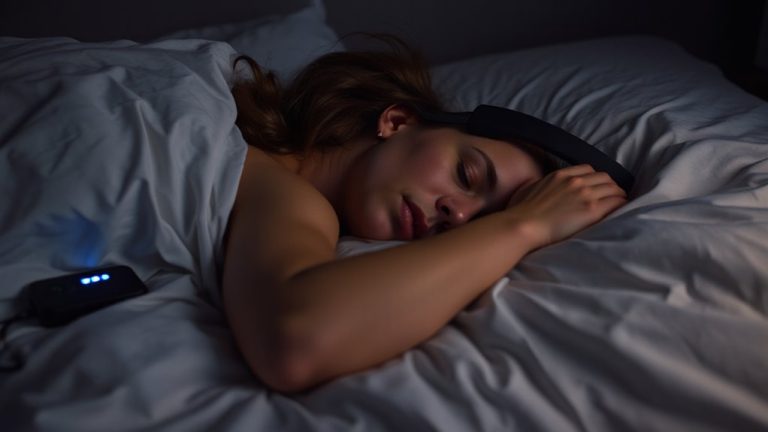
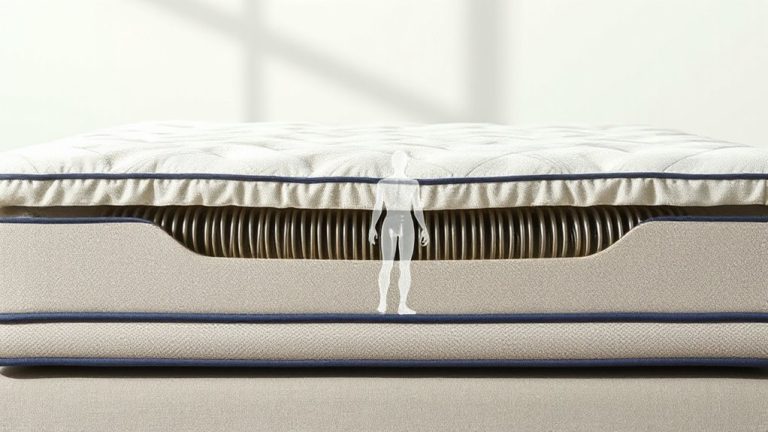
Why wake up suddenly, gasping for air, as if you’ve been holding your breath all night? It could be obstructive sleep apnea, where your airway collapses temporarily during sleep. This disrupts your breathing patterns, causing pauses that strain your body and fragment your rest. You might not remember waking, but your sleep quality still suffers night after night. Without steady airflow, your brain bumps you lightly awake-just enough to reopen your airway, often with a loud gasp or choke. These interruptions prevent deep, restorative sleep cycles. Over time, poor sleep quality affects mood, focus, and long-term health. Recognizing these breathing patterns is the first step toward effective care. Simple screening tools and home sleep tests can help identify the issue. From there, treatment options like CPAP machines, oral appliances, or lifestyle adjustments are available, often with trial periods and manufacturer warranties to ease the decision. Adjusting your sleeping position and choosing a supportive mattress may also help, with some designs specifically promoting better airflow through improved spinal alignment like those found in the best mattresses for snoring.
6 Signs Your Breathing Stops While You Sleep
How can you tell if your breathing halts during sleep when you’re not fully awake to notice? Often, it’s your body’s reactions or a partner’s observations that reveal the signs. You might experience loud, frequent snoring episodes that pause abruptly, then restart with a gasp or choke. These gaps mean airflow has stopped, even briefly. Restless legs can also accompany disrupted breathing, making it harder to stay asleep. You may not wake fully, but your sleep quality still suffers. Some people sweat excessively at night or toss and turn more than usual. A bed partner might notice long silences between breaths. If this sounds familiar, consider tracking your sleep or discussing a sleep study with a doctor. Devices like CPAP machines can help, often coming with trial periods and warranties for comfort adjustments. Recognizing these signs is the first step toward better rest. Effective relief may come from using the best sleep breathing aids tailored to your needs.
Why You Wake Up Tired (Even After 8 Hours)
Ever wake up feeling like you barely slept, even after clocking a solid eight hours? It’s not just about time in bed-sleep quality matters most. Frequent breathing disruptions can prevent deep, restorative stages, leaving you drained despite long nights. This poor recovery often links to sleep apnea, which interferes with normal rest cycles and may trigger a hormonal imbalance affecting energy and mood.
| Factor | Poor Sleep Quality | Improved Sleep Quality |
|---|---|---|
| Restfulness | Low energy, foggy mind | Alert, focused |
| Sleep Cycles | Constantly interrupted | Smooth progression |
| Hormonal Balance | Disrupted cortisol, melatonin | Regulated release |
| Daily Function | Struggles with focus | Better concentration |
Addressing root causes like breathing issues improves outcomes. Consider sleep studies or FDA-cleared devices if symptoms persist. Many come with trial periods, letting you assess real-world performance before commitment.
Hidden Health Risks of Untreated Sleep Apnea
While you might not notice it night after night, untreated sleep apnea quietly raises your risk for serious health issues over time. You’re more likely to develop cardiac arrhythmias, as the repeated drops in oxygen strain your heart and disrupt its normal rhythm. These irregular beats can increase your chance of stroke or heart failure. There’s also a strong link between sleep apnea and metabolic dysfunction, which affects how your body processes insulin and manages blood sugar, raising the risk for type 2 diabetes. Over time, chronic sleep disruption impairs hormone regulation and energy use. The long-term effects aren’t always immediate, but they build silently. Treating apnea early helps reduce these risks. Options like CPAP therapy, oral appliances, or lifestyle changes can support better sleep and long-term health. Your choice depends on severity, comfort, and medical guidance.
What Happens During a Sleep Study?
A sleep study, or polysomnogram, is your first step toward understanding what happens while you rest. You’ll sleep overnight at a lab-or sometimes at home-while sensors track your heart rate, breathing, oxygen levels, and more. Electrodes on your scalp monitor brain activity, helping doctors see how deeply you sleep and whether your sleep stages shift abnormally. Technicians observe your sleep architecture, the pattern of cycles through light, deep, and REM sleep, which can reveal interruptions linked to gasping or apnea. You might feel a little strange with the wires at first, but most people still manage to sleep well enough to get useful results. The data helps pinpoint breathing pauses and brain activity changes without invasive steps. It’s painless, detailed, and gives you clear insight into your sleep quality, setting the stage for informed choices about your care.
CPAP, Mouthpieces, and Surgery: Sleep Apnea Treatments That Work
If you’ve been diagnosed with sleep apnea, your treatment options will likely include CPAP therapy, oral appliances, or surgery-each with its own benefits and considerations. CPAP machines keep your airway open with steady air pressure, and modern models offer CPAP comfort features like heated humidifiers, quiet motors, and adjustable masks. Most come with a 30-day trial and standard warranty, letting you test fit and ease. Oral appliances, worn like mouthguards, reposition the jaw to prevent airway collapse and are often preferred for mild to moderate cases. They require dental customization but provide a non-invasive option. Surgery alternatives, such as removing excess throat tissue or repositioning the jaw, exist for severe cases or when devices aren’t tolerated. Surgery involves longer recovery but can offer lasting changes. Your doctor will help weigh effectiveness, lifestyle fit, and long-term use.
On a final note
You might wake up gasping because your airway briefly closes during sleep, a sign of obstructive sleep apnea. Left untreated, it strains your heart and disrupts rest. A sleep study can confirm the issue, and treatments like CPAP machines or oral devices often help. Most come with trial periods or warranties, so you can test comfort and fit. Consider talking to a doctor to weigh options that match your needs and lifestyle.