How to Create a Personalized Treatment Plan for Delayed Sleep Phase Disorder
You can create a personalized DSPD treatment plan by gradually shifting your bedtime 15 minutes earlier every few days while keeping wake times consistent. Use morning light exposure or a 10,000 lux light box for 20–30 minutes to reinforce your new rhythm. Take 0.5–1 mg of melatonin 5–6 hours before your current sleep time. Support these changes with cool, dark sleep hygiene and limited evening screen use, and discover how small adjustments can lead to lasting improvement.
Notable Insights
- Identify your current sleep pattern using a sleep log or tracker to establish a baseline for adjustments.
- Gradually advance bedtime and wake time by 15 minutes every few days to align with desired schedule.
- Use morning bright light exposure or a 10,000 lux light box for 20–30 minutes upon waking to reset circadian rhythm.
- Take 0.5–1 mg melatonin 5–6 hours before current sleep onset to gradually shift timing earlier.
- Maintain consistent sleep hygiene, including fixed wake times, dark environment, and pre-sleep routine, every day.
What Is Delayed Sleep Phase Disorder (DSPD)?
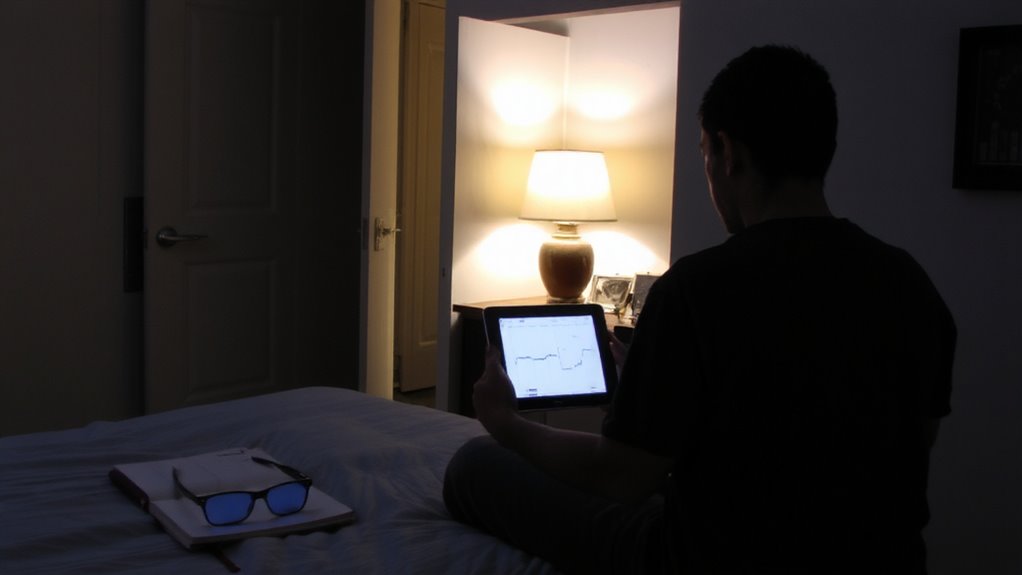
A sleep rhythm issue, known as Delayed Sleep Phase Disorder (DSPD), means your internal clock runs on a later schedule than typical. Your circadian rhythm shifts, pushing your natural sleep onset hours behind standard times, often to midnight or later. This isn’t just staying up late-it’s a biological delay that makes falling asleep earlier feel nearly impossible. You might struggle with morning obligations, feel groggy during the day, or rely on sleep aids just to function. Because your circadian rhythm controls when you feel alert or drowsy, even tiredness doesn’t guarantee earlier sleep onset. Diagnosis usually involves tracking sleep patterns and ruling out other disorders. Understanding your body’s timing helps inform treatment choices. Accurate insight into symptoms and rhythms supports better decisions about light therapy, melatonin, or behavioral strategies-all tools to align your sleep with daily life without rushing the process.
Shift Your Sleep Time in Small Steps

Even a small, consistent adjustment can make a real difference when resetting your internal clock. Start by shifting your bedtime and wake time earlier by 15 minutes every few days. This gradual change helps your body adapt without added stress. Use sleep tracking to monitor patterns and see how well your body responds to each shift. Tracking helps you notice progress and make informed decisions about next steps. Pair this with bedtime restriction-limiting time in bed to your actual sleep need-to strengthen sleep drive and improve efficiency. Avoid extending time in bed, even if you feel tired. Stick to your schedule, even on weekends, to support stability. Consistency helps anchor your rhythm over time. Combine these methods with other strategies to build an effective, personalized plan that works with your lifestyle and sleep needs.
Use Morning Light to Reset Your Clock

Why does sunlight in the morning help you feel more alert and reset your sleep schedule? It’s because morning light exposure strongly influences your body’s internal clock. When you get bright light soon after waking, it signals your brain to stop producing melatonin, helping you feel awake and setting a new baseline for your circadian rhythm. Consistent wake timing-even on weekends-makes this more effective. Aim for 20 to 30 minutes of natural sunlight within the first hour after waking. If sunlight isn’t available, consider a light therapy box that provides 10,000 lux, held at desk height to avoid eye strain. Use it daily to strengthen the cue. Combined with gradual bedtime shifts, this method improves sleep onset over time. Stick with it for at least two weeks to assess results. Using light bulbs with warmer color temperatures in the evening can support this process by minimizing blue light exposure, which can interfere with melatonin production-consider selecting the best bulbs for sleep as part of your nighttime routine to enhance circadian alignment. best light bulbs for sleep
Take Melatonin Earlier to Advance Sleep
Though your body produces melatonin naturally, taking a low-dose supplement several hours before your current bedtime can help shift your sleep schedule earlier over time. Proper melatonin timing is essential-it supports your body’s hormonal regulation and aligns your internal clock with your desired sleep window. Start with 0.5–1 mg about 5–6 hours before sleep, gradually adjusting as needed. Consistency matters more than dose size. Below is a guide to help plan your intake:
| Current Bedtime | Target Melatonin Time | Dose |
|---|---|---|
| 1:00 AM | 7:00 PM | 0.5 mg |
| 2:00 AM | 8:00 PM | 0.5–1 mg |
| 3:00 AM | 9:00 PM | 1 mg |
| 12:00 AM | 6:00 PM | 0.5 mg |
Stick with the same schedule daily to improve results.
Build a Sleep Routine That Supports Your New Schedule
A consistent sleep routine can make it easier to stick to your shifted schedule and improve overall sleep quality. Good sleep hygiene means keeping your bedroom cool, dark, and quiet, and avoiding screens at least an hour before bed. You’ll also want to set a regular wake-up time, even on weekends, to strengthen your body’s clock. Creating a wind down ritual helps signal that it’s time to sleep-try reading, light stretching, or deep breathing. Avoid caffeine and heavy meals in the evening, as they can disrupt your ability to fall asleep. These habits work together to support your new timing and make falling asleep easier over time. Stick with the routine for several weeks to see results, since consistency builds long-term success. Small, steady changes often lead to the best outcomes when adjusting your sleep pattern.
On a final note
You can manage delayed sleep phase disorder by gradually shifting your bedtime earlier, using bright morning light to reset your internal clock, and taking melatonin a few hours before your current sleep time. Stick to a consistent routine, even on weekends. These steps work best when combined and followed consistently. Give each change a few days to assess its effect. Always consult a healthcare provider before starting any sleep aid.