How to Extend Sleep Duration in Advanced Sleep Phase Disorder
You can extend your sleep by shifting your circadian rhythm later with morning light exposure-use a 10,000-lux lightbox for 20–30 minutes at wake time. Take 0.5–3 mg of melatonin 1–2 hours before your desired bedtime to help delay sleep onset. Gradually push your evening routine back by 15-minute increments using dim lighting and relaxing activities. Avoid caffeine after 2 p.m. and screens before bed. Consistency strengthens results, and there’s more to explore if symptoms persist.
Notable Insights
- Use morning light therapy with a 10,000 lux lightbox for 20–30 minutes upon waking to delay your internal clock.
- Take 0.5–3 mg of melatonin 1–2 hours before desired bedtime to help shift sleep later gradually.
- Delay bedtime by 10–15 minutes every few days using relaxing evening activities in dim light.
- Maintain consistent sleep hygiene by avoiding caffeine after 2 p.m. and screen use before bed.
- Consult a sleep specialist if progress stalls, as personalized treatment or diagnosis may be needed.
What Is Advanced Sleep Phase Disorder?
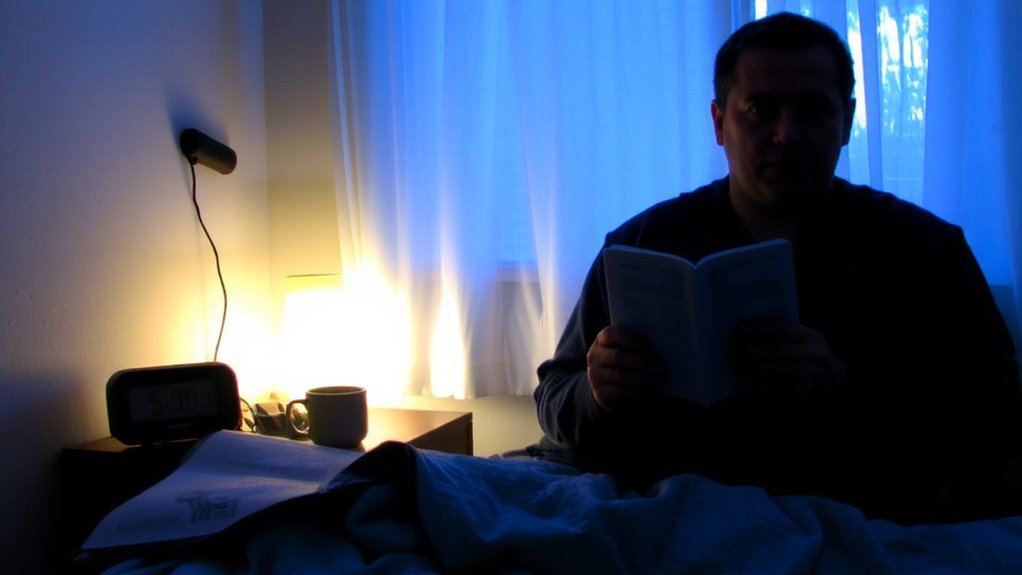
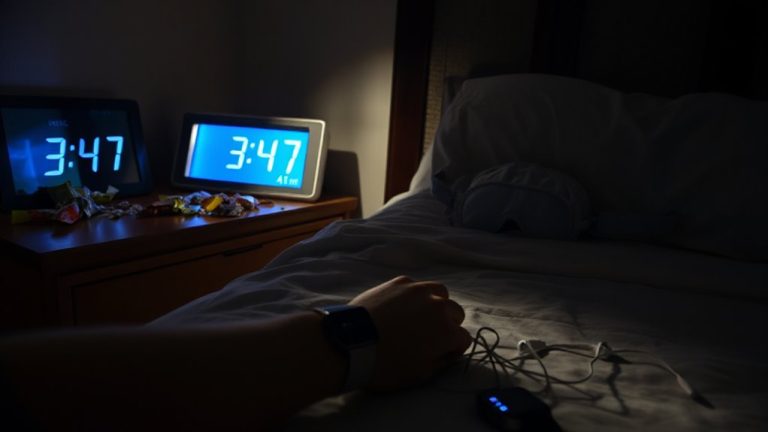
Ever wondered why you feel sleepy long before most people are winding down? You might have advanced sleep phase disorder (ASPD). It’s a condition where your circadian rhythm shifts earlier than typical, making you tired by 7 or 8 p.m. and waking you up around 3 or 4 a.m. This isn’t just preference-it often stems from a genetic predisposition, meaning it can run in families. Your body’s internal clock misaligns with the outside world, affecting sleep duration and daily rhythm. While it’s harmless for some, others find it disruptive, especially socially or professionally. Diagnosis usually involves sleep logs or actigraphy over one to two weeks. Treatments focus on timing and light exposure, though results vary. Understanding ASPD helps you decide if adjusting habits or seeking help is right for you. There’s no one-size-fits-all fix, but awareness is the first practical step.
Resync Your Body Clock With Morning Light

Why does stepping into morning light make a difference for your sleep schedule? Because exposure to natural light at the start of the day helps reset your internal body clock. When you get bright light soon after waking, it promotes circadian alignment, pushing your sleep cycle later by small, steady increments. This shift can help you stay awake longer in the evening and sleep in a bit later in the morning. Light therapy using a clinical-grade lightbox works especially well if natural sunlight isn’t available. Aim for 20 to 30 minutes shortly after waking. Use a device that delivers 10,000 lux and filters UV rays to protect your eyes. Consistent morning use supports lasting adjustment. Most models are portable, easy to use, and come with a warranty. Over time, regular light therapy helps stabilize your rhythm without medication.
Delay Sleep With Evening Melatonin
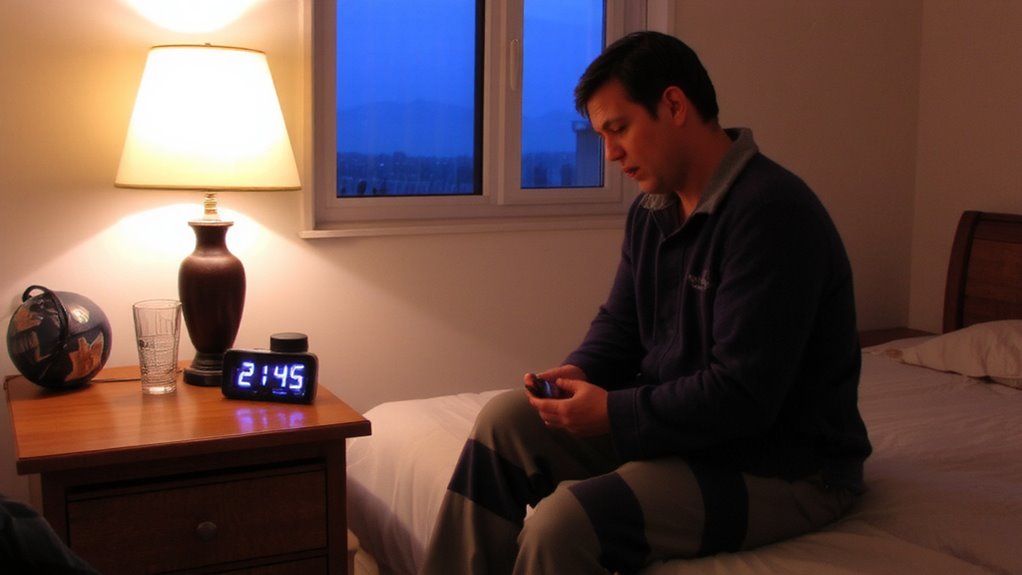
How can a simple supplement help shift your sleep schedule later? Evening melatonin might be the nudge your body needs. Taking an evening dosage of melatonin, typically 0.5 to 3 mg, about 1 to 2 hours before your desired bedtime, can gradually push your sleep phase back. It works best when timed with your body’s natural rhythms. For smoother results, consider a timed release formula-this mimics your body’s gradual melatonin release and may support longer sleep. Unlike fast-acting versions, timed release helps maintain levels through the night. Start low and adjust slowly, watching how your body responds. Consistency matters: take it at the same time each night. Pair it with morning light exposure for stronger alignment. While not a long-term fix for everyone, many find this method helpful, safe, and easy to test with few side effects. For personalized support, exploring the best melatonin sleep aids can help identify formulations that match your specific needs.
Stay Up Later With a Slower Wind-Down
Though you might feel tired earlier than intended, slowing down your evening routine can help delay your bedtime without strain. Instead of rushing through your sleep routine, stretch out your evening habits by adding small, relaxing steps. Try reading in a dimly lit room, doing light stretching, or journaling for 15 to 20 minutes. These low-effort activities signal your brain that it’s not time to sleep yet. Gradually push each step later by 10 to 15 minutes over several days. This gentle shift helps reset your internal clock. Avoid intense tasks or bright lights, which can backfire. Consistency matters-stick with the same start time each night, even on weekends. Over time, your body adjusts, allowing you to stay up later naturally. A slower wind-down supports longer sleep by aligning your evening habits with your goals, making the change sustainable and comfortable without added stress or tools.
Block Caffeine and Screens to Avoid Waking Up Early
Ever wonder why you’re wide awake at 4 a.m., even after finally falling asleep around 9? Caffeine and blue light could be disrupting your sleep hygiene. Both interfere with melatonin, the hormone that signals bedtime. To stay asleep longer, avoid caffeine after 2 p.m.-it can linger in your system for hours. Swap evening screen time for books or calming music to reduce blue light exposure. Some people also find that incorporating natural sleep aids like valerian root helps support longer, more restful sleep.
| Factor | Recommendation |
|---|---|
| Caffeine | Stop by 2 p.m. |
| Phone use | Stop 1 hour before bed |
| Blue light | Use night mode or blue blockers |
| TV watching | Avoid in the last 90 minutes |
| Sleep hygiene | Keep a consistent routine |
Small changes improve your ability to stay asleep. Prioritizing these habits supports natural sleep extension without medication.
See a Specialist If You Can’t Fix Your Sleep Schedule
Why do some sleep habits resist change, even when you’ve adjusted caffeine, light, and routines? Sometimes, underlying sleep disorders like advanced sleep phase disorder are the real cause. If you keep waking up too early and can’t stay asleep, simple fixes might not be enough. Your body’s internal clock could be shifted substantially, requiring more targeted strategies. That’s when a specialist consultation becomes important. Sleep specialists can confirm diagnoses using sleep studies and detailed history reviews. They may recommend timed light therapy, melatonin, or behavioral adjustments tailored to your schedule. These treatments are more effective when guided by expert evaluation. Don’t wait months hoping habits will fix it. If your sleep doesn’t improve in 4–6 weeks despite consistent effort, seeing a specialist gives you clearer direction. Early intervention supports better long-term results.
On a final note
You can manage advanced sleep phase disorder by adjusting light exposure, timing melatonin, and modifying your evening routine. Morning sunlight helps reset your internal clock, while evening melatonin may delay sleep onset. Avoiding caffeine and screens late at night supports longer sleep. If changes don’t help, a sleep specialist can assess whether underlying factors or treatments like timed light therapy are needed. Consistency and small, steady adjustments often bring gradual improvement.