Sleep Diary for Sleep Apnea: Track 5 Key Warning Signs
Your snoring might signal obstructive sleep apnea, especially if you wake tired despite full sleep hours. Track snoring, gasping, or breathing pauses in a sleep diary using a notebook or app. Record sleep times, quality, disruptions, and factors like stress or alcohol. Share patterns with your doctor, who may suggest a sleep study. Spotting symptoms early helps you take clearer steps toward better rest and health. More details follow to guide your next move.
Notable Insights
- Keep a sleep diary to track snoring, breathing pauses, and sleep quality for identifying potential sleep apnea symptoms.
- Record nightly metrics like time to fall asleep, awakenings, and observed gasping or choking episodes.
- Use consistent daily entries in a notebook, app, or spreadsheet to monitor patterns over time.
- Share your sleep diary with a doctor, especially if snoring or breathing interruptions occur several times a week.
- Include partner observations and lifestyle factors like alcohol or medications that may influence airway obstruction.
What Your Snoring Could Be Telling You

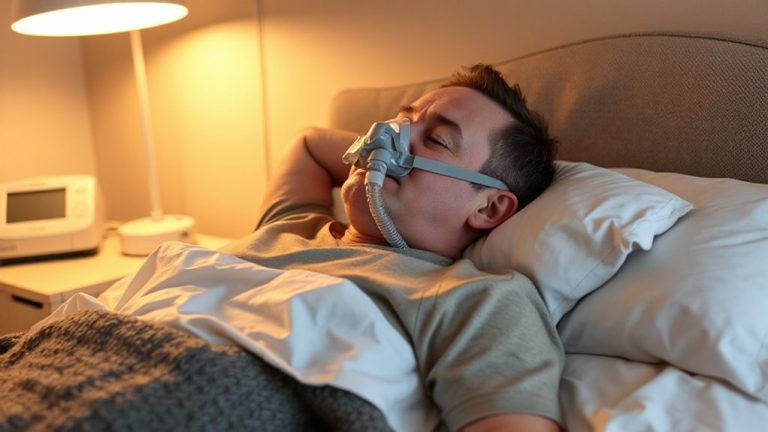
What if your snoring isn’t just noise, but a signal? It might hint at deeper issues affecting your sleep quality. Loud, frequent snoring can accompany breathing pauses-moments when your airway collapses temporarily during sleep. These interruptions disrupt your breathing pattern, often without waking you fully, but they fragment your sleep cycles all the same. You may feel tired despite long hours in bed because breathing pauses reduce oxygen flow and prevent deep, restorative rest. Poor sleep quality like this impacts focus, mood, and long-term health. Recognizing snoring as a possible red flag helps you decide whether to explore further-like discussing symptoms with a doctor or considering a sleep study. It’s not about alarm; it’s about awareness. Early attention to these signs supports better choices about evaluation, lifestyle adjustments, or appropriate sleep aids when needed.
Track These 5 Signs of Sleep Apnea in Your Diary

Keep track of five key signs to spot possible sleep apnea early. First, note any breathing pauses during sleep-these interruptions can last seconds and occur repeatedly. Ask your bed partner to confirm if they’ve observed this. Second, rate your sleep quality nightly; poor rest despite enough hours may signal an issue. Third, log loud, chronic snoring that disturbs others. Fourth, track daytime fatigue, even after a full night’s rest. Fifth, record morning headaches or trouble focusing. These signs, combined with breathing pauses, help identify patterns affecting your sleep quality. Writing them in your diary allows you to spot trends and share accurate details with a healthcare provider. You don’t need a diagnosis yet-just consistent, honest notes. Over time, the data clarifies whether further evaluation is useful. This method gives you control, guiding informed decisions without rushing to conclusions.
How to Start a Sleep Diary in 3 Simple Steps
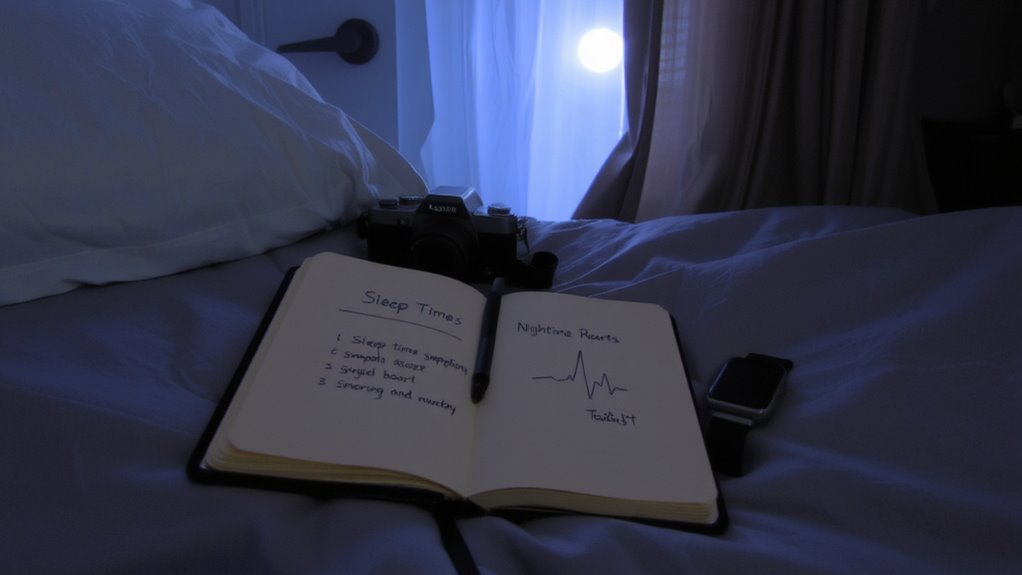
Why wait until symptoms worsen before understanding your sleep patterns? Start a sleep journal today-it’s simple and could reveal critical insights. First, choose your format: a notebook, spreadsheet, or sleep-tracking app all work. Pick one that fits your routine so you’ll stick with it. Second, set a consistent time each night or morning to record entries while details are fresh. Make it part of your wind-down habit. Third, begin basic dream tracking-not to interpret symbols, but to spot patterns like frequent awakenings or emotional themes that may link to disrupted breathing. Your sleep journal doesn’t need perfection, just honesty and regularity. Over time, it builds a clear picture of your sleep quality. This record helps you and your healthcare provider assess possible sleep apnea signs and decide whether further evaluation or sleep aids might help. It’s a small step with meaningful returns. For optimal results, consider using one of the best sleep journals designed to track key indicators like snoring, breathing interruptions, and daytime fatigue.
What to Record: The Key Sleep Apnea Metrics
You’ve started your sleep diary and made recording a part of your routine, which puts you in a better position to notice patterns over time. Track sleep quality by rating how rested you feel each morning, using a simple scale from 1 to 10. Note how long it takes to fall asleep and how often you wake up. Record breathing patterns throughout the night-your bed partner may notice snoring, gasping, or pauses in breathing. Write down any observed episodes, along with their timing and frequency. Include factors like alcohol, medication, or stress that might affect your sleep quality. Keep your entries consistent and specific. Over days, these metrics help clarify whether disrupted breathing patterns align with poor sleep quality. This data provides valuable insights when reviewing symptoms with a healthcare provider, supporting informed decisions about further assessment or sleep aids. Consider how your choice of pillow may influence airway alignment, as a supportive Best Rest Pillows can promote more comfortable and open breathing during sleep.
When to Worry: Spotting Dangerous Sleep Patterns
How do you know when restless nights point to something more serious? Pay close attention if your sleep diary reveals frequent breathing interruptions-pauses followed by gasps or choking sounds. These episodes disrupt your sleep cycle, often without full awakening, but they contribute to ongoing sleep deprivation. You might feel excessively tired despite a full night in bed, struggle to focus, or notice mood changes. Morning headaches and dry mouth are common, too. If these patterns persist more than a few times a week, they could signal obstructive sleep apnea. Consistent sleep deprivation increases long-term health risks, making early recognition essential. Monitoring these signs helps determine when to seek professional evaluation. Breathing interruptions aren’t normal, even if you don’t fully wake. Tracking them gives you objective data-crucial for understanding your sleep health and deciding what steps to take next.
How to Share Your Diary With Your Doctor
Noticing breathing pauses, gasps, or chronic fatigue in your sleep diary can raise concerns, and bringing that information to your doctor is the next step. Print or digitally share your entries, highlighting patterns like loud snoring or daytime drowsiness. Include sleep partner feedback, since they may have noticed breathing interruptions you didn’t. This real-world observation adds valuable context. Pair your diary with a medical history review, noting conditions like obesity, hypertension, or past respiratory issues, which influence risk. Be ready to discuss medications, lifestyle habits, and sleep environment. Organize your data clearly-dates, times, and symptoms-so your doctor can assess trends efficiently. A well-documented diary improves communication and supports accurate evaluation. You don’t need perfect records, just consistent, honest tracking. This practical step helps bridge daily experiences with clinical insight, guiding next steps without replacing professional assessment.
From Symptoms to Diagnosis: What Happens Next
What happens after you’ve recorded symptoms like snoring, gasps, or unrefreshing sleep in your diary? Your doctor will review your notes and may recommend a sleep study to confirm obstructive sleep apnea. This test, often done at home or in a lab, tracks your breathing, heart rate, and oxygen levels while you sleep. It helps pinpoint the severity of your condition. If apnea is diagnosed, CPAP therapy is a common next step. CPAP therapy uses a machine to deliver steady air pressure through a mask, keeping your airway open. Most devices are lightweight, come with adjustable settings, and include features like humidifiers to improve comfort. A trial period usually lets you test the machine before committing. Warranties often cover parts for several years. Working with your provider guarantees proper fit and use, helping you get the most out of treatment. For some individuals, an alternative option like a best mouthguard for snoring may be considered to help manage mild symptoms.
On a final note
You now have the tools to track your sleep patterns and spot key signs of obstructive sleep apnea. A sleep diary helps you make informed choices, offering real insights into your breathing, rest quality, and daytime function. Use it before trying sleep aids or treatments. Share your findings with your doctor to guide next steps. Regular tracking, even for a few weeks, improves accuracy and supports timely, evidence-based care.