How Sleep Apnea Contributes to Systemic Inflammation and Early-Onset Muscular Dystrophy Risks
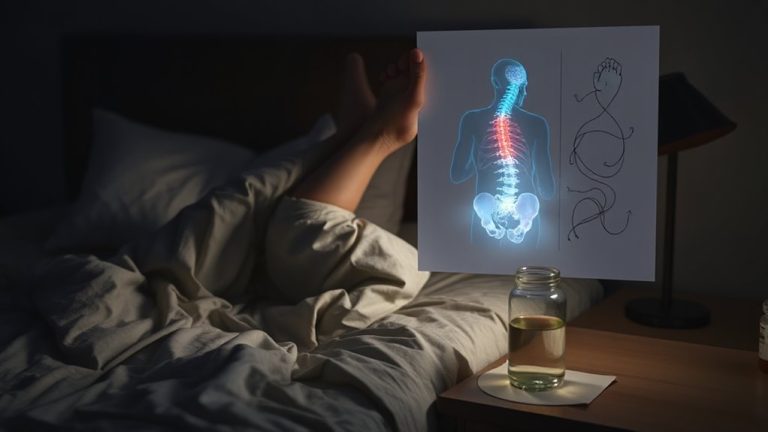
You’re not just tossing and turning-your breathing stops nightly, dropping oxygen and stressing your body. This triggers inflammation through immune activation, oxidative stress, and poor sleep repair. Over time, this can weaken muscles and worsen conditions like early-onset muscular dystrophy by speeding damage and slowing recovery. Using a CPAP stabilizes breathing, cuts inflammation, and supports muscle health. Many devices offer adjustable settings, humidifiers, trials, and warranties to help you find a comfortable fit. Seeing how treatment aligns with your needs could make a real difference.
Notable Insights
- Sleep apnea causes intermittent hypoxia, triggering systemic inflammation through immune activation and cytokine release.
- Repeated oxygen drops and sleep fragmentation increase oxidative stress, damaging cells and promoting chronic inflammation.
- Chronic inflammation impairs mitochondrial function, reducing energy production and weakening muscle fibers over time.
- Sleep apnea does not cause muscular dystrophy but may accelerate muscle degeneration in susceptible individuals.
- CPAP therapy reduces inflammation and oxidative stress, supporting muscle recovery by improving sleep quality and oxygenation.
What Is Sleep Apnea and How Does It Harm the Body?
Sleep apnea isn’t just loud snoring-it’s a serious sleep disorder where breathing stops and starts repeatedly through the night. When your breathing patterns are disrupted, oxygen levels dip, causing your brain to wake you briefly-often without notice. These interruptions destroy sleep quality, leaving you tired even after eight hours. Over time, poor sleep quality strains your heart and nervous system, increasing long-term health risks. You may not realize how often you wake, but your body does. Common signs include morning headaches, daytime fatigue, and irritability. Treatments like CPAP machines help maintain steady breathing patterns, improving rest. Devices vary in mask style, pressure settings, and noise levels, so trying one with a 30-day trial or warranty lets you assess comfort and results. Choosing the right option supports better sleep without overcommitting. For those seeking optimal therapy, selecting the best CPAP machines can significantly enhance treatment effectiveness and comfort.
How Sleep Apnea Triggers Chronic Inflammation
When your breathing pauses during sleep, your body responds as if under attack, activating stress pathways that release inflammatory markers into your bloodstream. This repeated immune activation fuels chronic inflammation, especially when oxygen levels drop frequently. Each apnea event also increases oxidative stress, damaging cells and worsening systemic responses over time. You might not feel it nightly, but the long-term effects are real and measurable.
| Factor | Impact on Inflammation |
|---|---|
| Intermittent hypoxia | Triggers immune activation and cytokine release |
| Sleep fragmentation | Disrupts immune regulation and repair |
| Oxidative stress | Damages tissues, promoting inflammation |
| Arousal stress responses | Increase cortisol and inflammatory markers |
Choosing a CPAP or oral appliance isn’t just about better rest-it’s about reducing these hidden risks. Devices proven in sleep studies, with warranties and trial periods, help you test options with lower personal risk. Using a CPAP mask designed to prevent dry mouth can improve treatment adherence and comfort, with best CPAP masks for dry mouth offering solutions that maintain airway humidity and reduce oral irritation.
How Inflammation Accelerates Muscle Damage
Think of inflammation as a signal flare meant to help, but when it stays on too long, it starts doing more harm than good. You’re left facing ongoing muscle breakdown because your body’s repair systems get overwhelmed. Chronic inflammation drives oxidative stress, flooding your cells with damaging free radicals that weaken muscle fibers over time. This stress also triggers mitochondrial dysfunction, meaning your muscle cells can’t produce energy efficiently, leading to earlier fatigue and slower recovery. When energy production falters and cellular damage builds, even routine activities take a toll. You may not notice it at first, but the cumulative effect wears down muscle integrity. Managing sleep quality becomes essential, since poor rest fuels this grinding cycle. Addressing sleep apnea early with proper diagnosis and treatment-like CPAP or lifestyle changes-can reduce inflammation. That, in turn, may lower oxidative stress and support better mitochondrial function, helping preserve muscle health over time.
Could Sleep Apnea Worsen Early-Onset Muscular Dystrophy?
Could disrupted breathing at night be doing more than stealing your sleep? If you have a genetic predisposition to early-onset muscular dystrophy, sleep apnea might accelerate neuromuscular degeneration. Repeated oxygen drops during apnea episodes fuel systemic inflammation, which stresses already vulnerable muscle tissue. This chronic stress may worsen muscle weakness over time, especially when restorative sleep is consistently interrupted. While sleep apnea doesn’t cause muscular dystrophy, its effects can add to the burden on your neuromuscular system. Recognizing symptoms like snoring, gasping, or daytime fatigue is key. Early testing-like a home sleep study or lab-based polysomnography-helps confirm diagnosis. Devices such as CPAP machines improve breathing and may reduce inflammatory strain. Most models offer adjustable pressure settings, humidifiers, and mask types to improve comfort. Many come with trial periods and warranties, supporting informed, low-risk decisions. For optimal therapy adherence, consider trying a best full-face CPAP mask designed for stability and comfort during sleep.
Can Treating Sleep Apnea Protect Muscle Health?
Why might fixing your breathing at night make a real difference in how your muscles hold up over time? Treating sleep apnea can reduce oxidative stress, which often damages muscle tissue and hampers recovery. When you use CPAP therapy consistently, your body gets more oxygen during sleep, helping create a better environment for muscle regeneration. Less fragmented sleep means your body spends more time in restorative phases, where repair happens. Oxidative stress drops when breathing stabilizes, lowering inflammation that could worsen muscle weakness. You may notice improved strength and endurance over weeks of treatment. Devices like CPAP machines are designed for comfort and ease of use, with masks that fit different sleeping styles and humidifiers to reduce irritation. Most come with a trial period and warranty, so testing one carries little risk. While results vary, addressing sleep apnea is a practical step toward protecting long-term muscle health.
On a final note
You’re not alone in facing sleep apnea, and recognizing it early helps protect your body. Left untreated, it fuels inflammation that may worsen muscle conditions like early-onset muscular dystrophy. CPAP machines, oral appliances, and lifestyle changes all offer support, with CPAP being the most proven. Most come with trials and warranties, letting you test comfort and effectiveness. Prioritizing sleep quality now can reduce long-term risks and improve daily function.