Evening Chronotype & Delayed Sleep Phase Disorder: The Link
You’re more likely to develop Delayed Sleep Phase Disorder if your natural evening chronotype conflicts with early schedules, especially when genetics and nighttime light exposure delay melatonin release. Consistent late sleep times can become chronic, reinforcing circadian misalignment. Light therapy in the morning, melatonin supplements before bed, and reduced evening screen time help shift your internal clock. Sticking to fixed wake times improves long-term alignment-there’s more to learn about managing this effectively.
Notable Insights
- Evening chronotypes have a natural delay in melatonin release, making early sleep difficult and increasing DSPD risk.
- Chronic misalignment between an evening chronotype and societal schedules can progress into Delayed Sleep Phase Disorder.
- Genetic factors linked to circadian rhythm regulation predispose some evening chronotypes to develop DSPD.
- Evening exposure to blue light exacerbates circadian delay, reinforcing the sleep patterns seen in DSPD.
- Consistent sleep routines, light therapy, and melatonin can help realign rhythms and prevent DSPD progression.
What Is an Evening Chronotype?
Why do you feel wide awake late at night while others are already winding down? You likely have an evening chronotype, meaning your natural circadian rhythm shifts your sleep onset to later hours. This isn’t laziness-your body simply peaks in alertness at night. Your internal clock delays melatonin release, making it harder to fall asleep early. Sleep onset often occurs well past midnight, even if you try to go to bed earlier. While this pattern fits your energy levels, it can clash with morning schedules. Adjusting light exposure, meal timing, or using timed light therapy may help shift your rhythm gradually. Sleep aids aren’t always needed, but if used, short-term options with medical guidance are preferable. Understanding your chronotype helps you make informed choices about routines, work habits, and when to seek support-without labeling your pattern as inherently problematic.
When Night Owls Develop DSPD?
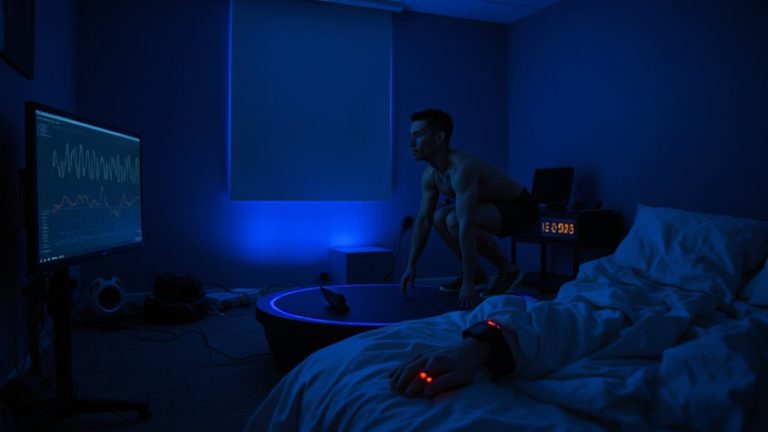
How does staying up late turn into a real sleep problem? When your natural preference for late nights clashes with early obligations like school or work, you’re facing a chronotype mismatch. This isn’t just about willpower-it’s a real misalignment between your internal clock and daily demands. Over time, irregular sleep patterns and high sleep onset variability make it harder to fall asleep when needed. You might try to adjust, but inconsistent schedules deepen the cycle. Eventually, this can evolve into Delayed Sleep Phase Disorder (DSPD), where your sleep delay becomes fixed, not just a habit. Recognizing these patterns early helps. Tracking sleep times, considering light exposure, and consulting a sleep specialist can guide better choices. Some find structured routines or timed light therapy helpful. Always look for evidence-based strategies and, if trying sleep aids, choose ones with clear use guidelines and short-term support.
Are Night Owls Genetically Prone to DSPD?
Even if you’ve always preferred late nights, that tendency might not just be a habit-it could be wired into your genes. You may have a genetic predisposition to delayed sleep, influenced by specific circadian rhythm mutations that shift your internal clock later. These biological changes mean your body naturally releases melatonin hours after most people, making it hard to fall asleep early. While not all night owls develop DSPD, those with these gene variations face higher risks, especially if routines conflict with their biology. Understanding your sleep pattern’s origin helps in choosing the right approach-whether adjusting light exposure, timing meals, or considering melatonin supplements under medical guidance. Treatments like timed light therapy or chronotherapy can help realign your rhythm. Genetic testing isn’t routine, but recognizing family patterns offers clues. A sleep specialist can assess your symptoms and recommend personalized, evidence-based strategies.
Why Late Light Keeps You Awake Longer?
Your body’s internal clock responds strongly to light, especially in the hours before bedtime, and that evening screen glow or bright room lighting might be doing more than you think. Late light exposure, particularly blue exposure from phones, tablets, or LED bulbs, tricks your brain into thinking it’s still daytime. This delays melatonin release, the hormone that signals sleep, pushing your wind-down time later. Even ambient light pollution from streetlights or screens contributes, especially in cities. Over time, this shifts your natural rhythm, reinforcing delayed sleep patterns. Using dim, warm lighting in the evening and reducing screen time helps maintain a stable internal clock. Some wear blue-blocking glasses or use device settings that reduce blue exposure, though results vary. These adjustments support your body’s signals without adding cost or complexity, offering a manageable step toward better sleep alignment. Research suggests that wearing best blue light blocking glasses can improve sleep quality by filtering out specific wavelengths known to disrupt circadian rhythms.
How Lifestyle Worsens Delayed Sleep
While you might not notice at first, everyday routines can quietly amplify delayed sleep patterns over time. Your social habits, like late-night gatherings or irregular weekend plans, often push bedtimes further, reinforcing a later sleep cycle. Frequent screen exposure-phones, tablets, or computers-after dusk raises blue light intake, which suppresses melatonin and disrupts natural timing. These behaviors don’t cause DSPD alone but can worsen it in evening types already at risk. Reducing screen use an hour before bed may improve sleep onset, while consistent nightly routines help stabilize rhythms. Though no sleep aid resets circadian timing fully, some tools like dim red lights or blue light filters offer partial support. Trial adjustments gradually, noting changes over weeks. Warranties on wearable sleep trackers can help monitor progress objectively. Small, informed shifts in lifestyle may lessen delays without drastic measures.
Recognizing DSPD in Natural Night Owls
How do you know when being a night owl crosses into something more serious? If you consistently struggle to fall asleep before 2 a.m. and can’t wake naturally for work or school without an alarm, you might have delayed sleep phase disorder (DSPD). Unlike typical evening chronotypes, DSPD causes distress or impairment. You may face ongoing social jetlag-mismatched sleep times on weekends versus weekdays-leading to chronic fatigue. This reflects deeper circadian misalignment, where your body’s internal clock runs markedly later than societal demands. While many night owls adapt with flexible schedules, DSPD persists even with good sleep hygiene. You’ll notice it’s not about preference but an inability to shift sleep timing voluntarily. Recognizing these signs helps determine whether lifestyle changes are enough or if professional assessment is needed.
Proven Treatments: Light Therapy, Melatonin, and Sleep Restriction
If you’re dealing with delayed sleep phase disorder, combining light therapy, melatonin, and sleep restriction can gradually reset your internal clock. Morning exposure to bright light-about 10,000 lux for 30 minutes-helps shift your rhythm earlier. Taking melatonin supplements, typically 0.5 to 5 mg, 1–2 hours before your desired bedtime can also support this shift. These non-invasive strategies are often enhanced when paired with cognitive behavioral therapy for insomnia (CBT-I), which addresses unhelpful sleep habits and beliefs. While pharmacological interventions exist, they’re usually short-term due to dependency risks. Sleep restriction, though initially tough, increases sleep drive and consolidates rest. Consistency matters-stick to fixed wake times, even on weekends. Results often appear within several weeks. It’s best to try these under professional guidance to tailor timing and dosage. For long-term success, lifestyle integration is key.
On a final note
You might prefer evenings, but if sleep delays disrupt your life, it could be DSPD. Light therapy upon waking, timed melatonin, and consistent sleep schedules help reset your rhythm. These treatments work best when used together and tailored to your needs. Most improve within weeks, though adjustments may be needed. Consider consulting a sleep specialist to rule out other causes and guarantee proper use. Treatment is effective, often covered by insurance, with low risk when guided.