Why Sleeping in an Upright Position Benefits Those With Lumbar Stenosis and Sleep Apnea
Sleeping upright helps you relieve lower back pressure from lumbar stenosis and keeps your airway more open if you have sleep apnea. Elevating your torso reduces nerve compression and leg symptoms while preventing throat tissues from collapsing. A 45- to 60-degree angle with full back and neck support works best. Adjustable beds offer customizable, durable positioning with trial periods, while firm wedge pillows provide a budget-friendly alternative. Proper setup improves comfort and breathing-explore your options to find what supports your health long term.
Notable Insights
- Sleeping upright reduces pressure on the lower spine, easing pain and nerve compression in lumbar stenosis.
- Elevated posture helps keep the airway open, decreasing obstruction and improving breathing in sleep apnea.
- A 45- to 60-degree recline supports optimal spinal alignment while promoting better airflow during sleep.
- Adjustable beds provide customizable, stable elevation for long-term relief in both lumbar stenosis and sleep apnea.
- Wedge pillows offer a low-cost alternative to maintain an incline that relieves symptoms temporarily.
How Sleeping Upright Eases Lumbar Stenosis Pain
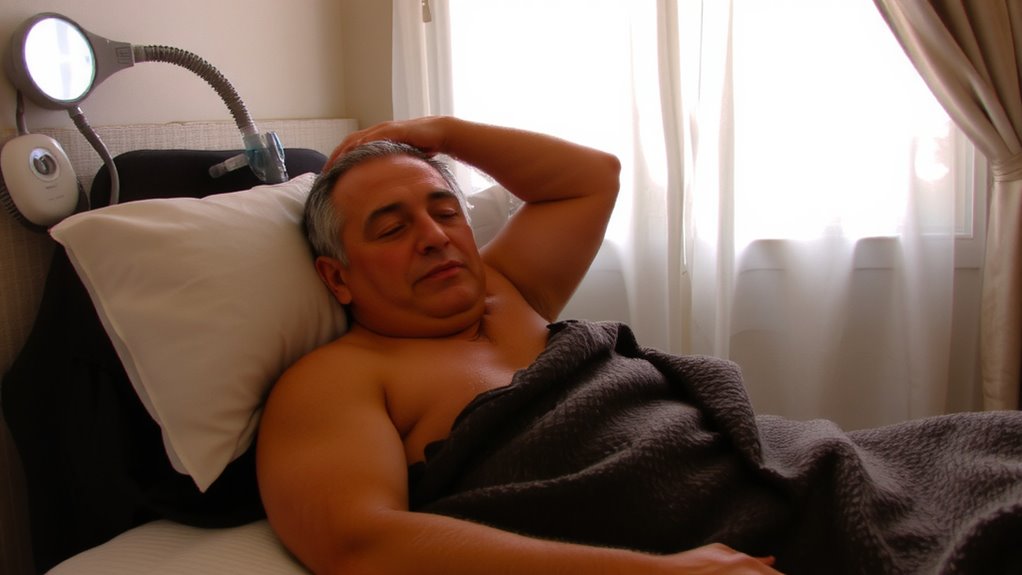
While lying flat might seem natural, you’ll likely find that sleeping upright reduces pressure on your lower spine if you have lumbar stenosis. This position supports better spinal alignment, which can ease strain on compressed areas. When you elevate your upper body using an adjustable bed or a recliner, you encourage gentle nerve decompression, often relieving pain and numbness in the legs. Many people report improved comfort within a few nights. Look for beds with smooth inclination settings and sturdy frames that hold your spine in a neutral curve. Some models offer preset positions proven to aid spinal health, with trial periods so you can test comfort risk-free. Though results vary, the combination of supported posture and gradual decompression makes upright sleeping a practical option worth trying. Always check warranty coverage and adjustability range before purchasing.
Reduce Sleep Apnea Symptoms by Sleeping Upright
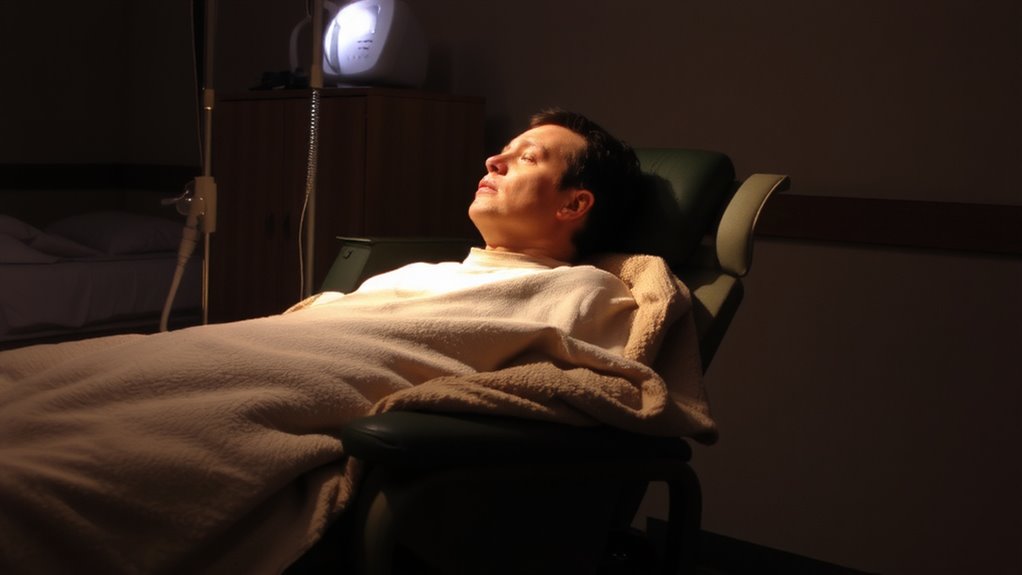
If you’re dealing with sleep apnea, propping yourself up at night might help keep your airway more open and reduce breathing interruptions. Elevating your upper body can improve airway pressure, making it easier to breathe. When lying flat, gravity pulls soft throat tissues back, potentially blocking airflow and lowering oxygen levels. Sitting upright lessens this collapse, supporting steadier breathing through the night. This position may not replace CPAP therapy but could complement it, especially if you find mask use uncomfortable. Some people see better oxygen levels after switching to a more upright sleep setup. Adjustable beds or wedge pillows are common aids-check for ones with breathable materials and stable support. Many offer trial periods, so test comfort and effectiveness over several nights. Results vary, so track symptoms like snoring or morning fatigue. Over time, you’ll learn if this change helps manage your sleep apnea more effectively. Choosing the right best pillows for upright sleepers can enhance comfort and support in this position.
Best Upright Sleep Positions for Spine and Breathing
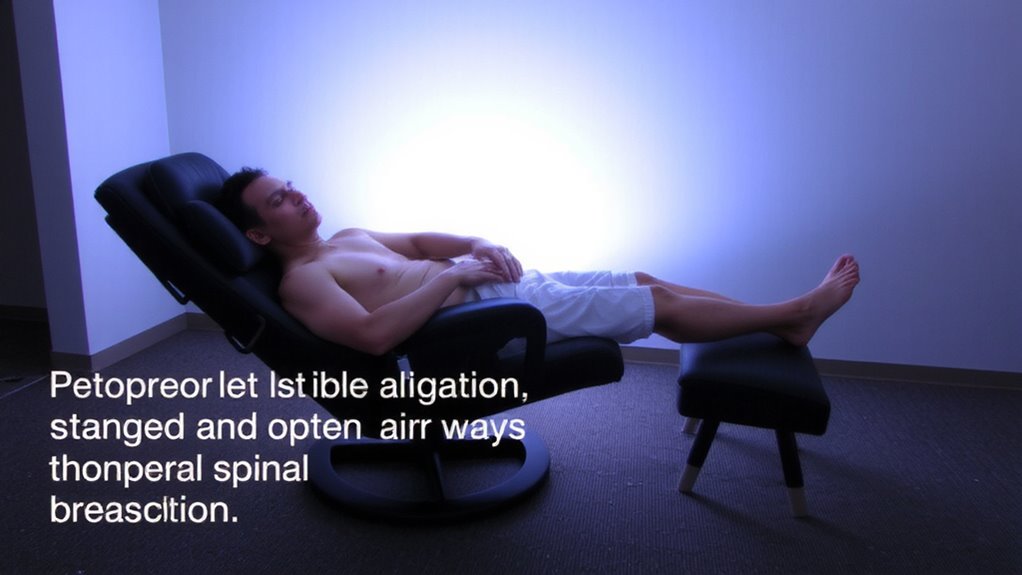
How do you balance spinal comfort and open breathing when sleeping upright? The right sleep posture plays a key role. Try reclining at a 45- to 60-degree angle-this supports spinal alignment while reducing airway collapse. Sit with your back fully supported, shoulders relaxed, and neck in line with your spine to maintain natural curves. Use a contoured pillow to keep your head from tilting forward, which can restrict breathing. Keep your knees slightly elevated with a small pillow to reduce lumbar strain. Avoid slouching or leaning to one side, as poor spinal alignment increases pain and limits airflow. A recliner chair or adjustable bed helps maintain this position all night. These setups support both spine and breathing, offering a balance that may improve rest without strain. Test small adjustments to find what works best for you. For added comfort, consider using one of the best pillows for upright sleeping designed to support proper neck and head alignment.
Safe DIY Ways to Sleep More Upright Tonight
Need a quicker, safer way to sleep more upright tonight without buying new gear? You can try pillow stacking or chair sleeping-both are simple and effective. Prop yourself up with firm pillows to support your head, neck, and lower back. Make sure your spine stays aligned and breathing stays open. Chair sleeping works well if you recline slightly with feet supported. For a more consistent and comfortable long-term solution, consider a 45-degree wedge pillow.
| Method | Tips for Safety & Comfort |
|---|---|
| Pillow stacking | Use 3–4 firm pillows, avoid soft ones that flatten |
| Chair sleeping | Choose a sturdy chair, add a cushion for lower back |
These DIY methods help tonight-but check how you feel in the morning. Adjust positioning if you wake stiff or numb. Both options offer temporary relief while you consider long-term solutions.
Adjustable Beds Vs. Wedges: Best Setups for Relief
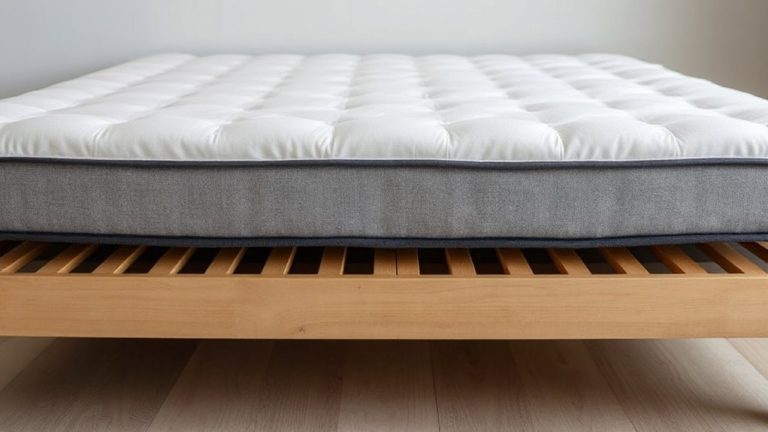
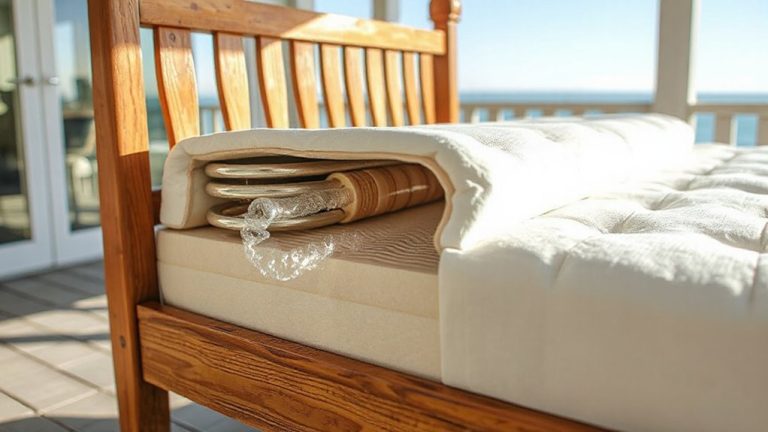
While both adjustable beds and wedges can ease symptoms of lumbar stenosis and sleep apnea, they work in different ways and suit different needs. Adjustable beds let you raise your head and knees smoothly, offering customizable support with the push of a button. They’re built with sturdy frames and motors, so material durability is usually strong, but long term costs are higher upfront. Most come with long warranties and sleep trials, letting you test comfort over time. Bed wedges, on the other hand, are simpler-angled foam inserts that lift your upper body. They cost less and fit most mattresses, though material durability varies by foam density. Since they’re non-adjustable, your relief depends on finding the right incline. Wedges are a budget-friendly start, while adjustable beds provide more flexibility for long-term comfort.
When to See a Doctor About Your Sleep Position
You’ve likely tried adjusting your sleep setup with an adjustable bed or wedge to ease lumbar stenosis or sleep apnea symptoms, and if you’ve noticed some improvement, that’s a good sign you’re on the right track. But if you’re still dealing with chronic snoring, daytime fatigue, or frequent awakenings, it’s time to see a doctor. These could be signs of untreated sleep apnea, even if you’re sleeping upright. Also, persistent back pain or numbness may point to spinal misalignment not fixed by pillows or bed adjustments alone. A sleep specialist can order a sleep study, while a spine doctor can assess your posture and alignment. Don’t wait if symptoms worsen-early evaluation helps you get the right treatment, whether it’s CPAP therapy, physical therapy, or surgical options. Your sleep position matters, but professional guidance guarantees you’re not just comfortable-you’re truly healing.
On a final note
Sleeping upright can ease lumbar stenosis pressure and improve airflow for sleep apnea. You might try an adjustable bed for customizable angles and sturdy support, or a firm wedge pillow if starting on a budget. Look for memory foam wedges with anti-slip bottoms and washable covers. Use trial periods and warranties when available. Talk to your doctor if symptoms persist, since proper diagnosis guides effective care. Small changes may offer real relief.