Analyzing Sleep Diary Notes Weekly to Correlate Discomfort With Pillow Use
You can spot how your pillow affects your sleep by reviewing weekly diary entries for patterns in morning pain, sleep position, and pillow type. Track neck or shoulder stiffness, your resting position, and whether your pillow is memory foam, down, or adjustable. If discomfort follows certain nights, it may signal poor alignment or firmness. Compare notes across weeks to see if changes help. Look for consistent relief or strain, especially after firmness shifts or side sleeping. Most quality pillows offer 30- to 60-night trials, so use your data to test support and replacement timing-your next adjustment could be more informed.
Notable Insights
- Track morning pain location and severity weekly to identify patterns linked to pillow support issues.
- Record sleep positions each night to determine if certain postures increase discomfort with your current pillow.
- Note pillow type and firmness in your diary to correlate material properties with spinal alignment and comfort.
- Monitor adjustment periods when switching pillows, as pain may subside within 3–6 nights for memory foam or latex.
- Review weekly entries to decide if pillow replacement or changes in loft and firmness are needed for better alignment.
What Your Morning Pain Says About Your Pillow

Why do you wake up with a stiff neck or sore shoulders? Your pillow’s firmness and ability to support neck alignment are likely factors. If your pillow is too soft, your head may sink too deeply, straining your cervical spine. One that’s too firm can push your head upward, causing similar stress. Proper neck alignment means your head stays in line with your spine, reducing tension overnight. You don’t need the most expensive pillow-just one that matches your sleep position. Side sleepers often need higher loft for alignment, while back sleepers benefit from medium firmness. Stomach sleepers usually do best with softer pillows to avoid neck hyperextension. Trial periods let you test support over time, and warranties protect your investment. Pay attention to how your body responds within the first few nights-early discomfort can signal poor fit. Side sleepers may find relief with pillows specifically designed for their position, such as top picks for side sleepers that offer enhanced support and proper loft.
How a Sleep Diary Finds Pillow Problems

While you might not notice issues right away, tracking your sleep patterns in a diary can reveal how well your pillow supports your neck and spine over time. You’ll start seeing links between your comfort levels and how rested you feel. If you wake stiff or achy, your pillow may not align with your sleep patterns. Over days, small trends become clear-like more neck pain after side sleeping or poor recovery on firmer pillows. Comfort levels shift based on pillow height, firmness, and material, so noting these helps isolate what’s working. You don’t need perfect data, just consistent entries. This record helps you compare options objectively, guiding better choices. It also supports discussions with health providers or when testing new pillows with trial periods. With real data, you’ll know when to adjust or replace-giving you a clearer path to restful, supported sleep. One effective solution for side sleepers is choosing from the best pillows for side sleepers, which are designed to support proper spinal alignment and reduce discomfort.
What to Track: Pain, Position, and Pillow Type
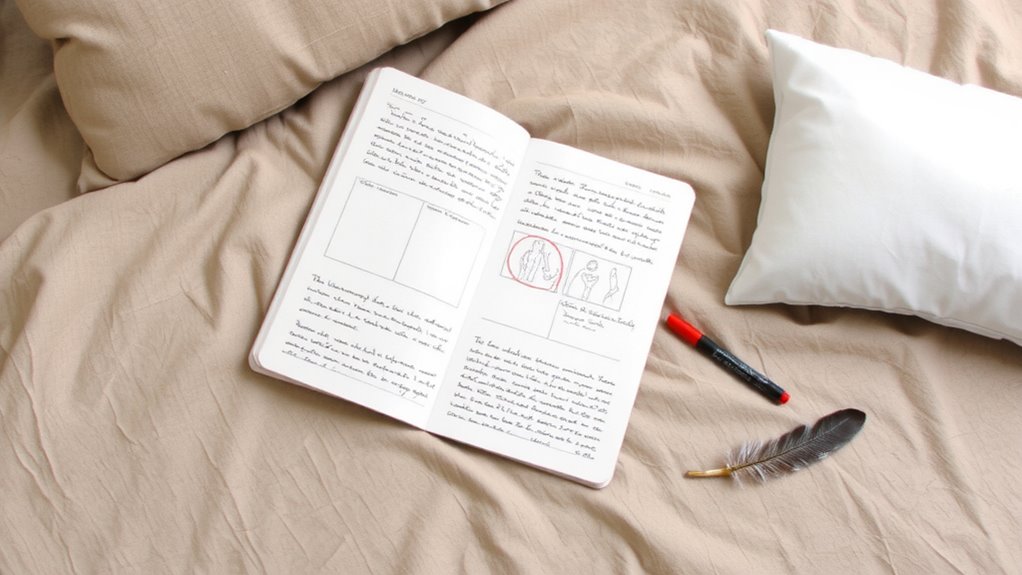
A good sleep diary picks up on key details that help you understand how your pillow affects your rest. You should track any pain you wake with, noting location and severity-this links directly to sleep quality. Record your sleeping position each night, since side, back, or stomach sleeping impacts body alignment differently. Also, log the pillow type: memory foam, down, polyester, or adjustable fill, as each offers distinct support and loft. These factors together show how well your pillow maintains spinal alignment and comfort. Over time, patterns emerge, revealing whether your pillow supports restful sleep or contributes to discomfort. Tracking consistently helps you make informed choices about replacements or adjustments. You’re not just noting symptoms-you’re gathering data to improve rest and alignment. This practical approach supports long-term decisions about sleep aids without guesswork. Top-rated options often feature best-selling pillows that combine ergonomic design with high-quality materials for optimal support.
When Your Pillow Change Causes Aches
If you start waking with new aches after switching pillows, your body might not have adjusted yet-or the pillow may not support your sleep style. Give it a few nights, but also check how the pillow affects neck alignment and comfort. Your pillow material plays a big role in support and pressure relief. Below is a quick guide to common materials and their effects:
| Pillow Material | Neck Alignment Support | Adjustment Period |
|---|---|---|
| Memory Foam | High | 3–5 nights |
| Latex | Moderate to High | 4–6 nights |
| Down/Feather | Low to Moderate | 5+ nights |
A poor fit can strain muscles or misalign your spine. If pain persists past a week, reconsider the pillow’s height or firmness. Always choose options with trial periods so you can return or exchange if needed. Track symptoms in your sleep diary to help decide.
Match Pillow Type to Your Sleep Data
How well is your pillow really supporting your sleep? Reviewing your weekly sleep diary can reveal patterns tied to pillow firmness and sleep duration. If you note frequent stiffness or short sleep cycles, your pillow might not align with your sleeping position or body needs. Side sleepers often need firmer support to keep the neck level, while back or stomach sleepers may do better with softer options. Tracking how long you sleep-and how often you wake-helps gauge whether your pillow maintains comfort all night. A pillow that flattens quickly can reduce sleep duration over time. Look for options with adjustable fill or materials like memory foam or shredded latex, which balance support and adaptability. Many brands offer 30- to 60-night trial periods, letting you test firmness levels risk-free. Matching these features to your actual sleep data helps narrow choices wisely.
How to Change Pillows Based on Your Data
You’ve tracked your sleep patterns and noticed how pillow firmness affects your comfort and rest-now it’s time to use that data to make a smart switch. If your notes show neck pain or poor support after several weeks, material degradation might be the culprit, especially in memory foam or down pillows that lose loft over time. Check for flattened areas or lumps-signs it’s time to replace. Rotate your pillow weekly with a consistent pillow rotation routine to even out wear and extend its life. When switching, choose a new pillow with similar support traits that matched your best sleep logs-firmness, height, and fill. Test it for at least 30 nights; many quality brands offer trial periods. Look for durable covers and breathable materials that resist allergens. Match the replacement to your proven data, not trends.
Build a Personal Sleep Comfort Plan
Why do some nights feel restful while others leave you tired, even when you follow the same routine? Small inconsistencies in sleep hygiene or your bedtime routine might be the culprit. Building a personal sleep comfort plan helps you align habits with your body’s needs. Start by tracking patterns in your sleep diary, then adjust based on evidence. Use the table below to compare key elements:
| Factor | Action |
|---|---|
| Pillow support | Switch firmness based on weekly discomfort notes |
| Bedtime routine | Set consistent wind-down steps (e.g., lights off at 10:30) |
| Sleep hygiene | Limit screens 1 hour before bed, keep room cool |
Customize adjustments over two-week trials. Check warranty terms when trying new pillows. Note how changes affect rest quality. A tailored plan improves consistency, making restful nights more frequent without guesswork. Stay patient-results build gradually.
On a final note
You now see how your sleep diary links discomfort to pillow use. Tracking pain, position, and pillow type helps spot patterns over time. If a new pillow causes aches, consider its height, material, or firmness. Match choices to your data: side sleepers often need thicker pillows, back sleepers medium support. Try options with trial periods, checking for neck alignment and comfort. Update your sleep plan as needed-small changes can improve rest.