Why Night Shift Workers Struggle to Sleep During the Day
You struggle to sleep during the day because your body’s natural clock resists rest when it’s light outside, even after a night shift. Sunlight suppresses melatonin, keeping your brain alert. Noise from family or traffic can break light sleep, and blackout curtains may still let in light or trap heat. Even with sleep aids, your internal rhythm stays misaligned. You’ll find better rest by managing light, sound, and timing-options worth exploring further.
Notable Insights
- Circadian rhythm promotes alertness during daylight, making daytime sleep difficult after night shifts.
- Morning sunlight suppresses melatonin, disrupting sleep even when trying to rest during the day.
- Household noise and family activities during daytime hours frequently interrupt and fragment sleep.
- Social obligations and events conflict with recovery sleep, increasing pressure to sacrifice rest.
- Misaligned melatonin production and residual bedroom light reduce sleep quality despite efforts to darken rooms.
How Circadian Rhythm Blocks Daytime Sleep
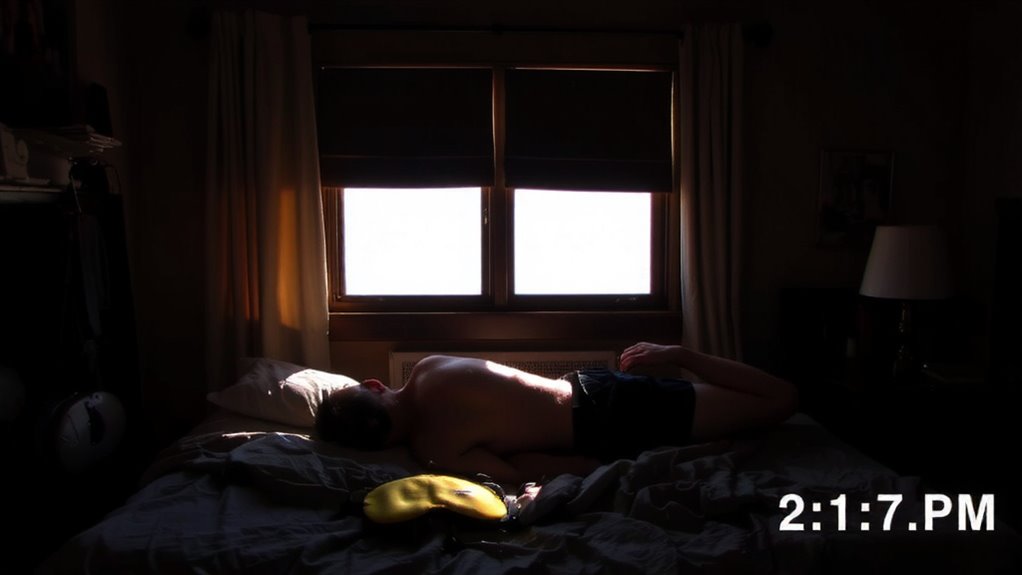
When the sun’s up, your body naturally resists sleep because your circadian rhythm is wired to stay alert during daylight hours, even if you’re off work after a night shift. Your internal clock expects wakefulness now, making it tough to fall or stay asleep. This rhythm runs on cues like light, and your light sensitivity spikes during the day, signaling your brain to remain active. Even in a dark room, residual light can interfere, weakening sleep quality. You might need blackout curtains or a sleep mask to reduce exposure and support your body’s need for rest. While melatonin supplements may help adjust your internal clock over time, consistency matters-going to bed and waking at the same time daily improves alignment. Some find noise-canceling earbuds or white noise machines useful. Consider your environment and routines as tools to shape better rest, not just quick fixes.
How Sunlight Disrupts Night Shift Recovery
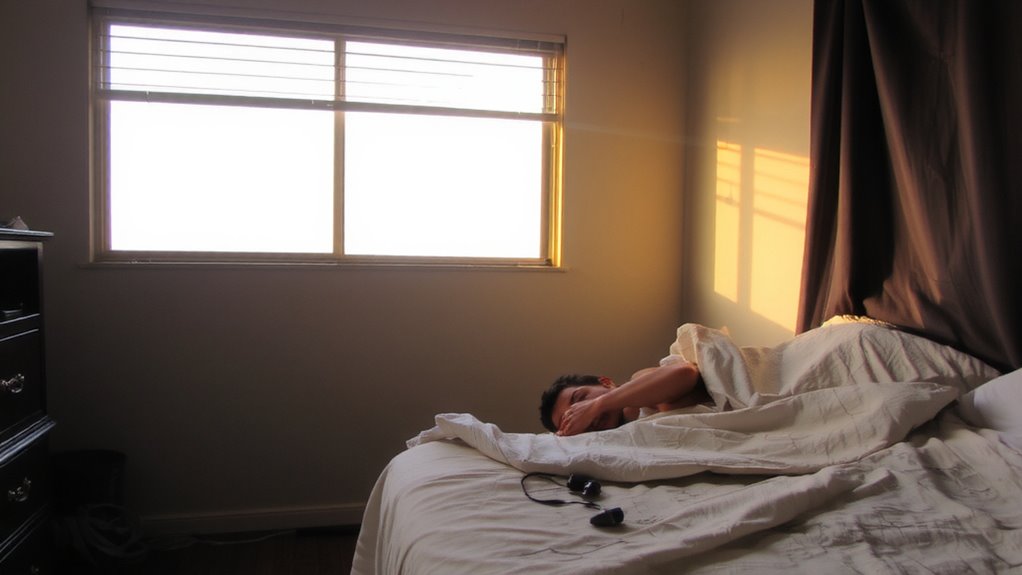
Why does stepping outside in the morning, even briefly, leave you feeling more drained later? Because sunlight intensity, even at low angles, signals your brain to stop producing melatonin, the hormone that supports sleep. After a night shift, exposure to morning light confuses your internal clock, making it harder to rest during the day. Your body thinks it’s time to be awake, which disrupts recovery. Window positioning plays a key role-if sunlight filters into your bedroom, even through closed eyelids, it reduces sleep quality. Blackout curtains or shades designed to block 100% of light can help. Consider room orientation and adjust window positioning where possible. Choosing the right sleep environment isn’t about comfort alone-it affects how deeply you rest and how ready you feel for your next shift. For optimal melatonin production, using sleep-friendly lighting in the hours before daytime sleep can signal your brain that it’s safe to wind down.
Why Noise and Family Life Break Daytime Rest
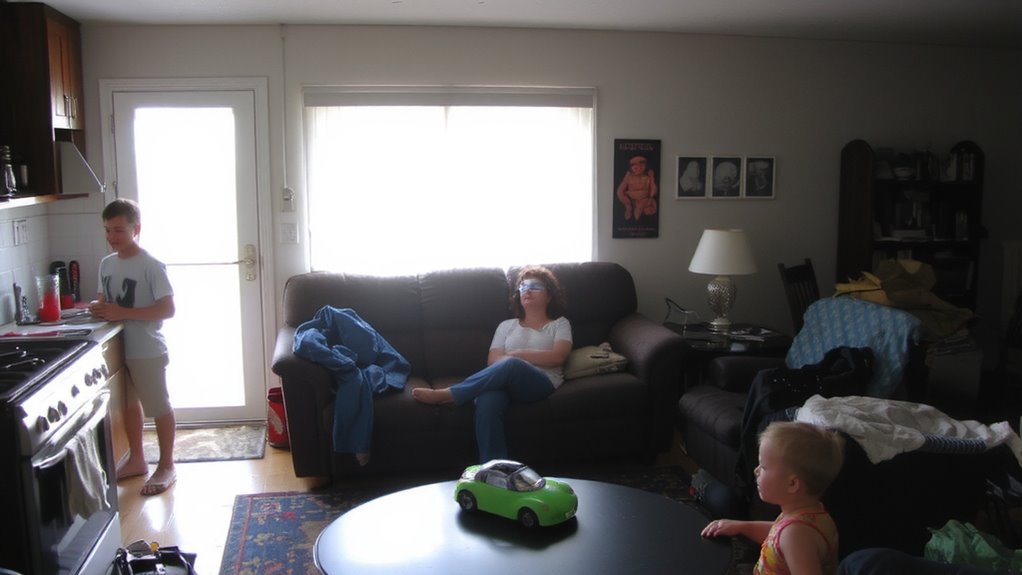
Stepping into daylight after a night shift isn’t the only challenge to your rest-once you’re home, noise and family routines can just as easily interrupt the sleep you depend on. Household interruptions, like kids getting home from school or a partner doing chores, create sudden sounds that pull you from light sleep. Even small noises-a door closing, a phone ringing-can disrupt your recovery when you’re trying to rest during peak daytime hours. Daytime distractions, including appliance hums or neighborhood activity, add up, making deep sleep harder to reach. These disruptions don’t just delay sleep; they reduce sleep quality, increasing the risk of long-term sleep issues. To counter this, consider blackout curtains paired with white noise machines, which mask disturbances without harmful side effects. Some find earplugs comfortable, while others prefer sleep apps with soothing sounds. Try options with free trials or return policies to test what works. For optimal results, choose among the best sound machines for better sleep based on expert testing and user feedback.
How Social Schedules Sabotage Shift Worker Sleep
How do social plans chip away at your much-needed rest after nights on the clock? When your sleep window falls during daylight hours, weekend get-togethers, family meals, or even casual outings can conflict with your recovery time. You might skip rest to stay connected, worsening fatigue. Yet avoiding events leads to social isolation, which harms long-term well-being. Many shift workers also face work stigma, where others see night shifts as “lazy” or “unnatural,” making it harder to justify your schedule. This judgment often pressures you to attend daytime events, despite needing sleep. Balancing health and relationships means planning social time carefully-maybe scheduling calls or small meetups on your off-days. Recognizing these challenges helps you protect rest without cutting ties. Adjusting routines gradually and communicating needs can reduce conflict, supporting better sleep decisions.
Why Sleep Aids Like Blackout Curtains Fall Short
Even when you block out the sun with blackout curtains, your body may still struggle to wind down because light isn’t the only factor disrupting rest during daytime sleep. Light leakage around edges or gaps in the material can still enter your room, interfering with melatonin production just enough to delay sleep onset. Many blackout curtains also trap heat, leading to heat buildup that makes your bedroom uncomfortably warm-especially in summer. Since your body naturally cools at night, elevated temperatures can reduce sleep quality, even if you fall asleep. Some high-end models offer thermal regulation and full-seal designs to minimize both issues, but they often come at a higher cost and require precise installation. While helpful, blackout curtains alone won’t fix daytime sleep challenges. Consider pairing them with fans, white noise, or sleep-friendly room layouts to improve effectiveness. For maximum darkness, consider selecting from the best light-blocking curtains based on verified performance and design features.
How Melatonin Misalignment Hurts Night Shift Sleep
Though your body’s internal clock expects melatonin to rise at night, working overnight flips that signal, leaving you fighting drowsiness during shifts and alertness when trying to sleep during the day. This hormone imbalance disrupts your natural sleep-wake cycle, making daytime rest harder to achieve. Even if you use sleep aids like blackout curtains, light exposure from windows, phones, or streetlights can further suppress melatonin, delaying sleep onset. Your body may produce melatonin at the wrong time, reducing sleep quality and total rest. This misalignment isn’t just inconvenient-it’s a core reason shift workers face chronic fatigue and increased risk of sleep disorders. Understanding this helps you evaluate solutions that target timing, like controlled light exposure or timed melatonin supplements, rather than just darkness. These options address root causes and offer more sustainable support when used correctly and consistently.
Habits That Improve Daytime Sleep for Shift Workers
When your schedule runs against the sun’s rhythm, small, consistent habits can make a real difference in how well you sleep during the day. Creating consistent routines helps your body anticipate rest, even when it’s light outside. Try going to bed and waking at the same time every day, including days off, to strengthen your internal clock. Make your bedroom a quiet environment by using blackout curtains, white noise machines, or earplugs to block daytime sounds and light. Avoid screens right before bed, since blue light can interfere with melatonin. Caffeine should be limited in the hours before sleep. While sleep aids might seem helpful, they can sometimes cause grogginess or dependency-talk to a doctor to weigh benefits and risks. Simple changes in behavior and environment often support better results over time.
On a final note
You can improve daytime sleep by aligning habits with your body’s needs. Blackout curtains help block light, but they won’t fix circadian misalignment alone. Limit noise with earplugs or white noise machines, and set clear boundaries with household members. Consider melatonin supplements carefully, ideally under a doctor’s guidance. Prioritize consistent sleep schedules, even on days off. Small, realistic changes often work better than relying solely on sleep aids.