Chronotypes in Sports Performance: How Understanding Personal Cycles Can Enhance Athletic Results
You perform best when training aligns with your natural energy peaks, shaped by your chronotype. Morning larks gain more from early workouts and post-exercise breakfasts, while night owls hit peak strength and focus in the evening. Timing recovery meals and sleep with your body clock boosts muscle repair and alertness. Light exposure and consistent sleep schedules can shift rhythms, especially for early competitions. Tracking your patterns helps make smarter choices about sleep and performance-options that could change how you plan your next workout.
Notable Insights
- Chronotypes influence peak performance times, with morning larks excelling early and night owls performing best in the evening.
- Aligning training sessions with natural energy peaks enhances strength, focus, and reaction time.
- Recovery and nutrient timing aligned with circadian rhythms improve muscle repair and energy replenishment.
- Morning light exposure and reduced evening light can shift chronotypes to match competition schedules.
- Tracking sleep and alertness patterns helps identify individual chronotypes for personalized performance optimization.
What Chronotypes Mean for Athletes
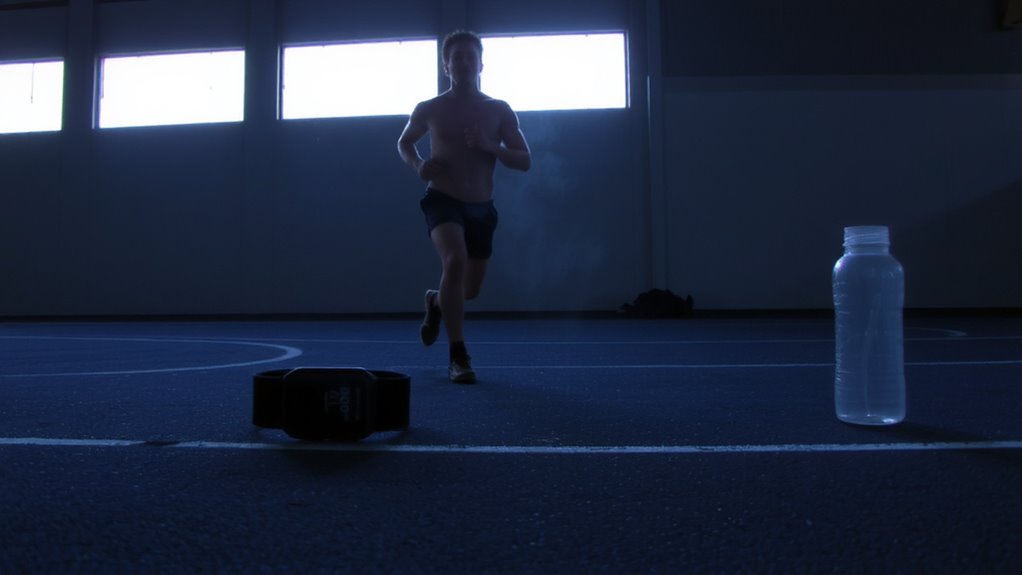
While your body clock plays a quiet role behind the scenes, it can strongly influence when you perform your best, especially in sports. Your chronotype shapes your natural peaks in alertness and physical performance, which means timing matters. Proper recovery timing helps you repair muscles and adapt after intense training, especially when aligned with your sleep-wake cycle. Nutrient timing also plays a role-when you eat, especially post-workout, affects energy replenishment and muscle recovery. If you’re a morning person, an early session with breakfast soon after may work best. Night owls might benefit from later training with dinner as their recovery meal. Shifts in schedule due to competition may require adjustments, but consistent sleep patterns support better adaptation. Consider sleep aids only if sleep disorders interfere, and consult a professional before use.
Find Your Chronotype: Morning Lark, Night Owl, or Intermediate?
You’ve seen how your internal clock can affect training, recovery, and overall performance. Now it’s time to figure out where you fit-morning lark, night owl, or somewhere in between. Your chronotype shapes your preferred environment for peak alertness and focus. Morning larks feel sharpest early, making dawn workouts feel natural, while night owls hit their stride in the evening, thriving when others fade. Most people are intermediates, adaptable to shifting schedules. Understanding your pattern improves activity alignment, helping you plan training when your body performs best. Pay attention to when you feel most awake and when fatigue sets in. Track your sleep habits for a week to spot trends. If misalignment causes persistent tiredness or sleep issues, consider consulting a specialist before using sleep aids. Small adjustments can support better rest and consistency.
Can Chronotype Give You a Competitive Edge?
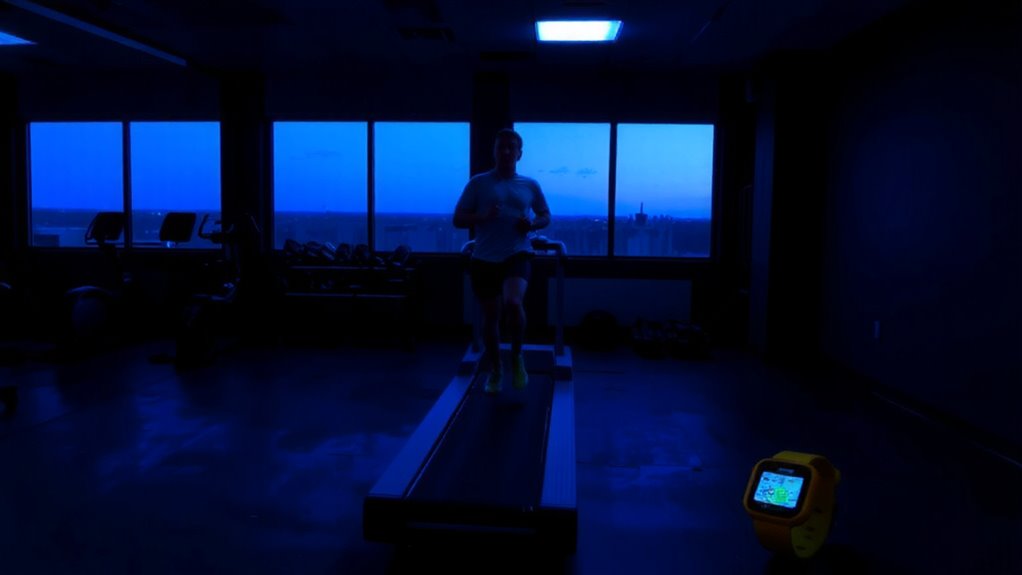
What if the secret to better performance wasn’t just training harder-but timing it right? Your chronotype, shaped by genetic predisposition, influences when you’re naturally most alert and physically capable. This internal rhythm affects hormonal fluctuations, like cortisol and melatonin, that regulate energy and recovery. When you align performance demands with your body’s peak phases, you may see improved reaction times, strength output, and mental focus. These small advantages can add up in competition. Understanding your pattern helps you make smarter choices about sleep schedules and whether to seek help for sleep disorders. If sleep is inconsistent, consider evidence-backed aids-but test them early and rule out underlying issues first. A well-timed routine won’t replace skill, but it can give you a subtle, legitimate edge when every second counts. Tracking these patterns accurately can be supported by using a reliable sleep tracking device.
When to Train Based on Your Body Clock
When should you schedule your workouts for the best results? Your body clock plays a big role in how well you perform. Training timing that matches your chronotype leads to better energy alignment and improved focus. If you’re a morning person, plan strength or endurance sessions earlier, when core body temperature and alertness rise naturally. Night owls often peak in the late afternoon or evening, making that window ideal for high-intensity training. Syncing workouts to your internal rhythm supports recovery and reduces injury risk. Pay attention to your sleep patterns-consistent rest strengthens your body’s timing. If sleep disorders disrupt your cycle, consult a specialist before using sleep aids, as some may affect next-day performance. Experiment gently, track how you feel, and adjust training timing until energy alignment feels natural. Small shifts can bring measurable gains.
Elite Athletes Who Win by Racing Their Chronotype
Could timing your competition to match your natural rhythm be the key to accessing peak performance? You might already have genetic advantages baked into your biology, shaped by your chronotype-whether you’re a morning lark or night owl. Some elite athletes structure their event schedules around this inner clock, aligning competition timing with when their body temperature, reaction time, and strength naturally peak. Studies show evening-types often excel in late competitions, while morning-types dominate early heats. This isn’t just habit-it’s physiology. By recognizing your pattern, you can plan sleep to support performance, manage sleep disorders proactively, and decide if sleep aids might help maintain consistent rest. It’s not about changing your rhythm completely, but working with it. Success often comes not from pushing through fatigue, but from racing when your body is truly ready.
Shift Your Schedule: Light, Sleep, and Timing Hacks
If your body’s natural rhythm doesn’t match your competition schedule, you can shift it gradually using light exposure, consistent sleep timing, and strategic naps. Morning light exposure helps reset your internal clock-spend 15–30 minutes near a bright light source or outside shortly after waking. If you’re a night owl aiming for early events, increase morning light and reduce evening brightness to encourage earlier sleep. Sleep optimization means going to bed and waking at the same time daily, even on weekends. A short nap (20–30 minutes) can boost alertness without grogginess, but avoid late-day naps if they disrupt nighttime sleep. Consider blackout curtains or a sleep mask to improve sleep quality. For maximum light blockage, choose curtains with a blackout lining that are specifically designed to eliminate external light. These adjustments take several days to show effects, so start well ahead of competition. Track your energy and performance to fine-tune timing strategies, focusing on what supports recovery and consistency.
On a final note
You can improve performance by aligning training and competition with your chronotype. Morning larks often peak early, night owls later, and intermediates fall in between. Matching your schedule to your body’s natural rhythm may boost focus, speed, and recovery. Adjust light exposure, maintain consistent sleep, and consider gradual shifts in timing when needed. Trial changes over a few weeks, track results, and consult a sleep specialist if problems persist.