The Impact of Artificial Lighting on Delayed Sleep Phase Disorder
Artificial lighting, especially blue and flickering light from screens and LEDs, delays melatonin release and worsens your delayed sleep cycle. Evening light above 100 lux tricks your brain into staying alert, pushing sleep later. Use dim, warm, flicker-free lights at night to reduce this effect. Limit screen time before bed and try night modes if you can’t avoid devices. Morning light exposure helps reset your internal clock. Consistent daily light patterns improve sleep timing over time-there’s more to discover about managing your rhythm effectively.
Notable Insights
- Artificial light above 100 lux in the evening delays melatonin release, worsening circadian misalignment in DSPD.
- Blue light from screens and LEDs suppresses melatonin, reinforcing delayed sleep onset in individuals with DSPD.
- High-frequency flicker in some LED lighting disrupts circadian stability and exacerbates sleep phase delays.
- Dim, warm, flicker-free evening lighting helps minimize circadian disruption and supports earlier sleep onset.
- Morning bright light exposure counters artificial light effects by advancing the internal clock in DSPD patients.
What Is Delayed Sleep Phase Disorder (DSPD)?
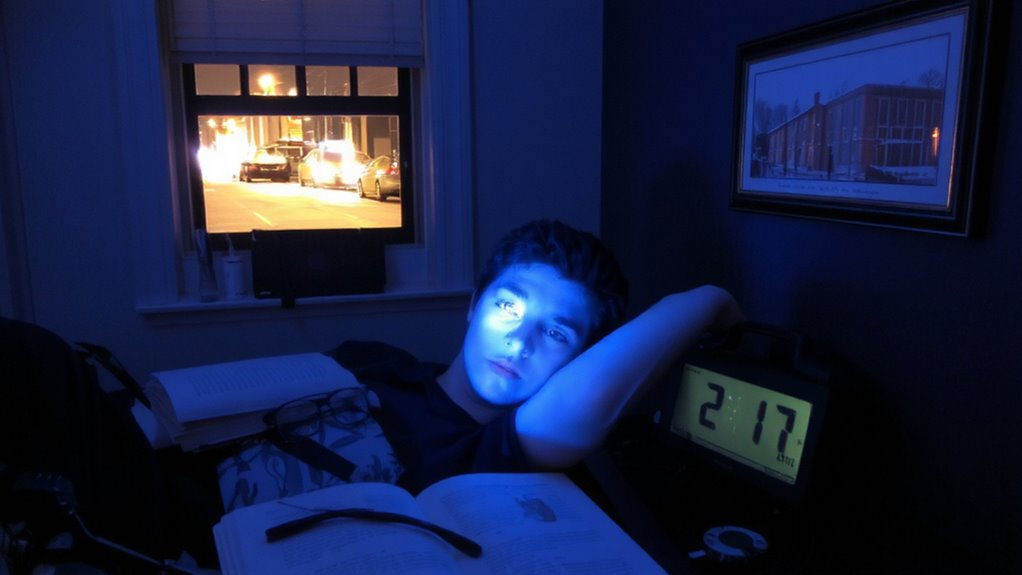
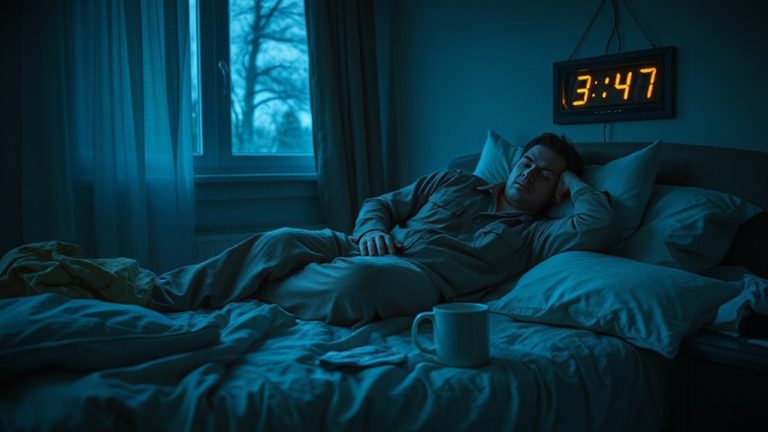
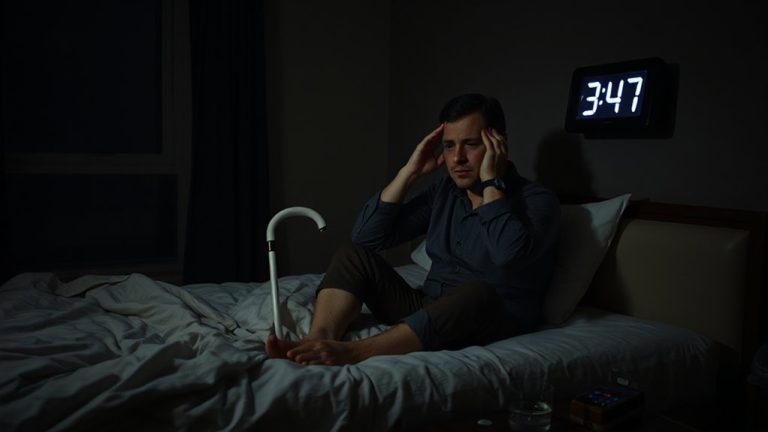
While your body naturally follows a 24-hour sleep-wake cycle, people with Delayed Sleep Phase Disorder (DSPD) find that their internal clock runs markedly later than average. You might not feel sleepy until well past midnight, even if you want to sleep earlier. This shift results from circadian misalignment, meaning your body’s rhythm is out of sync with typical social or work schedules. Scientists have found strong evidence of genetic predisposition-many with DSPD report family members with similar patterns. Your melatonin release, usually tied to evening darkness, happens later, reinforcing the delay. Though it’s not caused by poor habits, DSPD often leads to chronic sleep loss if unmanaged. Treatments like timed light exposure or melatonin supplements can help, but consistency matters most. A sleep specialist can guide diagnosis and options, offering realistic adjustments rather than quick fixes.
How Light Disruption Worsens DSPD Symptoms
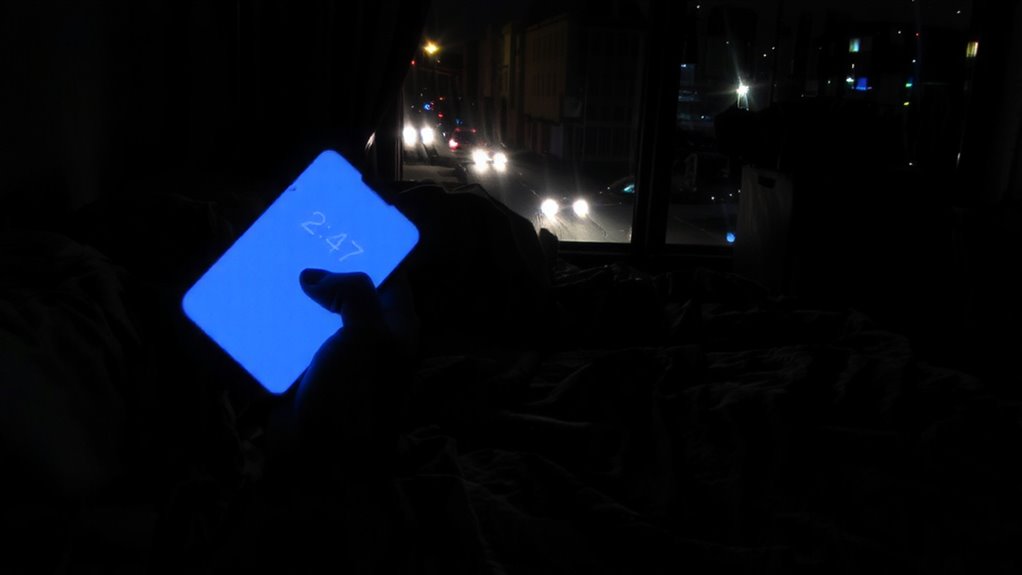
If you’re already dealing with Delayed Sleep Phase Disorder, exposure to artificial light at the wrong times can make it even harder to fall asleep when you need to. Evening light intensity above 100 lux, especially from screens or bright indoor lighting, delays melatonin release, pushing your sleep window later. Even low-intensity light with high flicker frequency-like that from some LEDs-can interfere with circadian stability over time. These disruptions don’t just shift your schedule; they deepen your symptoms by reinforcing a delayed rhythm. Using dim, steady lighting in the evening helps reduce this effect. Consider lighting labeled “low blue,” “flicker-free,” or “warm dim” to minimize circadian impact. Some lamps and bulbs come with warranties if used as part of a physician-recommended sleep routine. Testing different fixtures may help you find what supports your natural cycle without drastic lifestyle changes. For those seeking targeted solutions, choosing the best light bulbs for better sleep can significantly improve nighttime melatonin production and support circadian alignment.
Why Blue Light Delays Sleep in DSPD
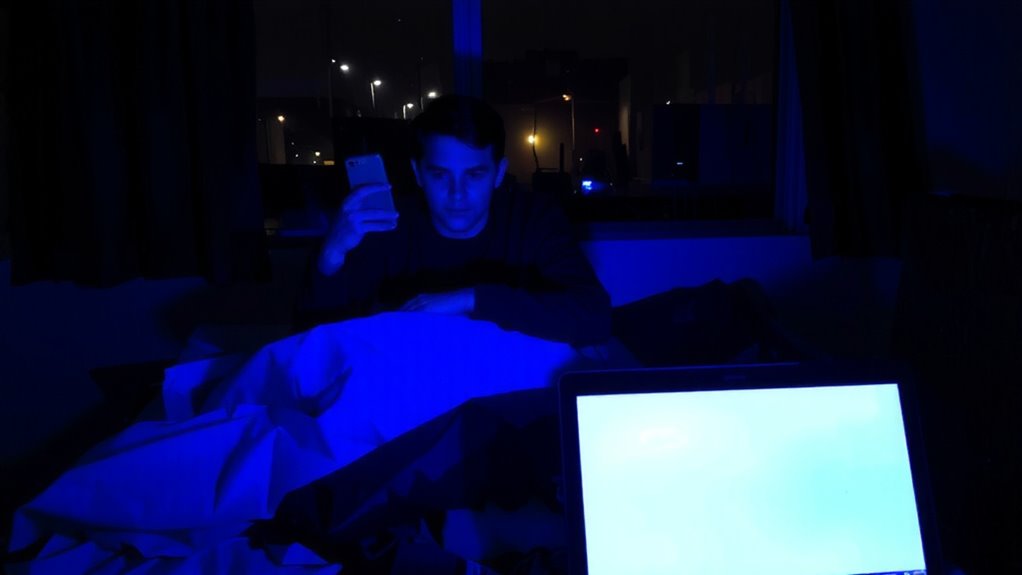
Because your body’s internal clock is especially sensitive to blue wavelengths, exposure to blue light in the evening can sharply delay melatonin production, making it harder to fall asleep at a desired time if you have Delayed Sleep Phase Disorder. This blue light causes melatonin suppression, pushing your sleep cycle later and worsening circadian misalignment. Even small amounts from screens or LED bulbs can trick your brain into thinking it’s still daytime. Over time, this delays your natural wind-down process, making mornings harder and nights longer. You’re not just losing sleep-you’re shifting it, deepening the gap between your internal rhythm and social schedules. Understanding this helps you make informed choices about lighting, especially at night. Addressing blue light exposure supports realignment, improving sleep quality without immediate need for medication or sleep aids. Consider wearing blue light glasses to reduce evening light exposure and support healthier sleep timing.
Cut Screen Time to Reduce Nighttime Light Exposure
You can take direct action to protect your sleep by reducing screen time in the evening, especially if you’re affected by delayed melatonin release. Adjusting your screen habits helps minimize blue light exposure that disrupts your internal clock. Setting a digital curfew-one hour before bed-gives your body time to wind down naturally. Consider replacing late-night scrolling with quiet activities like reading or journaling.
| Activity | Time Frame | Benefit |
|---|---|---|
| Stop screens | 1 hour before bed | Reduces light-induced melatonin delay |
| Use night mode | Evening use | Lowers blue light intensity |
| Set digital curfew | Consistent nightly time | Builds reliable sleep routine |
| Track screen habits | Weekly review | Increases awareness and control |
Small changes improve sleep quality over time.
Use Warm, Dim Lights at Night for Better Sleep
Although bright or cool-toned lighting at night can interfere with your body’s natural sleep signals, switching to warm, dim lights helps support a smoother shift into rest. You’ll find that amber lighting mimics the natural decline of daylight, gently guiding your circadian rhythm toward sleep without abrupt changes. Consider using bulbs labeled 2700K or lower, which emit a soft, candle glow–like hue ideal for evening spaces. These lights reduce blue light exposure, which can otherwise delay melatonin release. Use dimmable fixtures in bedrooms or living areas so you can adjust brightness as bedtime nears. Unlike harsh overhead lights, warm lamps or shaded bulbs create a quiet atmosphere without glare. Many energy-efficient options now offer this warmth while lasting years. Try a few styles to see which fits your routine-some even come with trial periods. This small lighting change can make a meaningful difference in preparing your mind and body for rest. For those seeking optimal solutions, exploring Best Sleep-Friendly Lighting Picks can guide you toward effective, research-backed options.
Get Morning Light to Reset Your DSPD Clock
Light plays a powerful role in shaping your sleep patterns, and while dim, warm lighting at night helps ease your body into rest, getting steady exposure to bright light in the morning can help reset a delayed sleep schedule. Prioritizing morning sunlight benefits your circadian rhythm alignment, signaling your brain to be alert and start the day. Consistent timing helps stabilize your internal clock over time.
| Time of Day | Light Exposure Type |
|---|---|
| 7:00 AM | Natural sunlight or bright lamp |
| 8:00 AM | Outdoors or near a window |
| 9:00 AM | Active light engagement |
| 10:00 AM | Continue moderate exposure |
Aim for 30–60 minutes of morning light shortly after waking. This supports stronger circadian rhythm alignment without artificial aids. You don’t need intense equipment-just consistent exposure. Natural light remains the most effective and accessible option for morning sunlight benefits.
Create a Daily Light Routine to Improve Sleep
When structured thoughtfully, a daily light routine can make a meaningful difference in managing sleep disorders like delayed sleep phase disorder. You’ll want to use light therapy early in the morning, ideally within an hour of waking, to help reset your internal clock. Aim for 20 to 30 minutes of exposure to a 10,000-lux light box, positioned at eye level but not stared at directly. This consistent input signals your brain to reduce melatonin and promote alertness. Later in the day, reduce exposure to blue-enriched artificial light from screens and bright indoor lighting. Dim lights and consider using amber-toned bulbs in the evening. Pairing this routine with strong sleep hygiene-like keeping a regular bedtime and limiting caffeine-boosts effectiveness. Over time, this combination supports a more natural sleep-wake cycle.
On a final note
You can manage DSPD by adjusting your light exposure. Blue light from screens delays melatonin, making sleep harder, so reduce screen time at night. Use warm, dim lights in the evening to signal bedtime. Morning light helps reset your internal clock. A consistent daily light routine supports better timing. Consider light therapy lamps with 10,000 lux for 20–30 minutes each morning; most come with a warranty. Try changes gradually and track sleep to find what works.