The Benefits of Using Passionflower for Insomnia With Depression
You can ease both insomnia and mild depression with passionflower, which supports your brain’s natural GABA levels to calm overactive nerves without sedating you. It gently reduces racing thoughts and restlessness, improving sleep quality and mood over time. Effects are mild, so it’s safer than prescriptions for some, though results vary. Pairing it with magnesium or lavender may boost benefits. Talk to your doctor first if you take other medications. There’s more to contemplate about how it works with your body’s chemistry.
Notable Insights
- Passionflower supports GABA balance, helping to calm overactive brain activity linked to both insomnia and depression.
- Its mild anxiolytic effects may reduce racing thoughts and improve sleep onset in individuals with mild depressive symptoms.
- Flavonoids in passionflower influence neural pathways involved in mood regulation and sleep quality.
- When combined with magnesium or lavender, it may enhance overall relaxation and stabilize mood.
- Generally well-tolerated, but consult a healthcare provider before use, especially when taking antidepressants or sedatives.
How Passionflower Helps With Insomnia and Depression

A quiet restlessness often underlies both sleep troubles and low mood, and passionflower may help ease that inner tension. You’re likely seeking something gentle yet effective, and passionflower supports natural neurotransmitter balance, which plays a key role in both sleep and emotional health. It doesn’t act alone-many herbal blends rely on plant synergy, combining passionflower with herbs like valerian or lemon balm to enhance overall effect. This cooperation can improve sleep onset and mood stability without heavy sedation. Products vary in strength and formulation, so check labels for extract concentration and additional ingredients. Most come with a 30-day trial, allowing you to assess personal response. You’ll want to evaluate how it fits with your current routine, especially if you’re already using sleep aids or medications. Always consult your healthcare provider before starting, particularly for ongoing depression or chronic insomnia.
How Passionflower Calms Your Brain Naturally
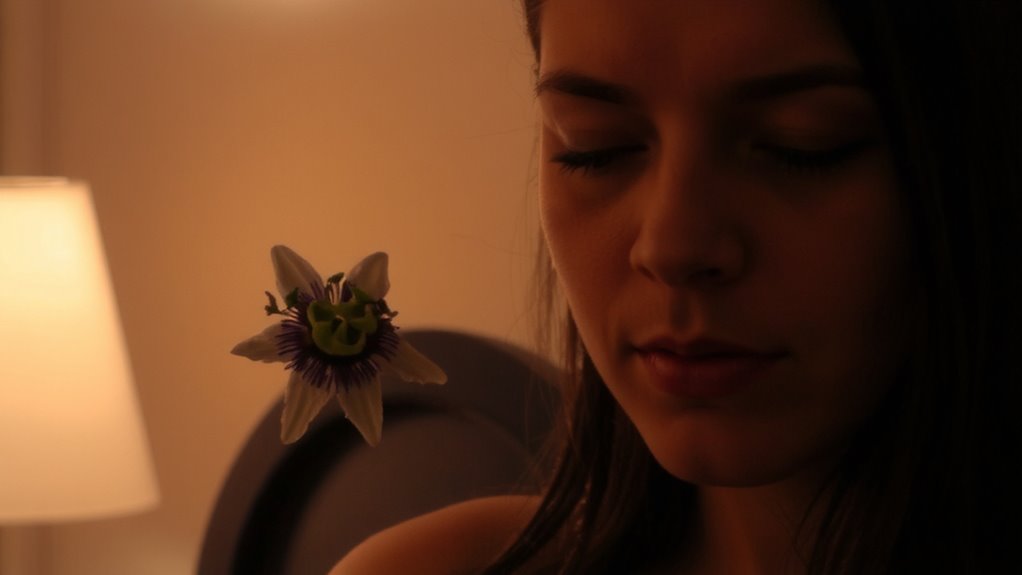
It works by supporting your brain’s natural balance of GABA, a key neurotransmitter that helps calm nervous system activity. You see, passionflower doesn’t override your brain chemistry-it gently encourages it to stay in sync. By enhancing GABA levels, it helps quiet overactive neural pathways linked to stress and racing thoughts. That means your mind can shift more smoothly toward rest, without harsh sedation. Think of it as fine-tuning your brain’s volume control, especially when anxiety or depression keeps you mentally “on.” These changes happen naturally, without disrupting your sleep architecture. Passionflower works with your body, not against it, making it a sensible option if you’re cautious about strong sleep aids. It’s especially helpful if you’re looking to avoid medications that interfere with REM cycles or cause next-day grogginess. This makes passionflower a balanced choice worth considering.
What Science Says About Passionflower for Sleep and Mood
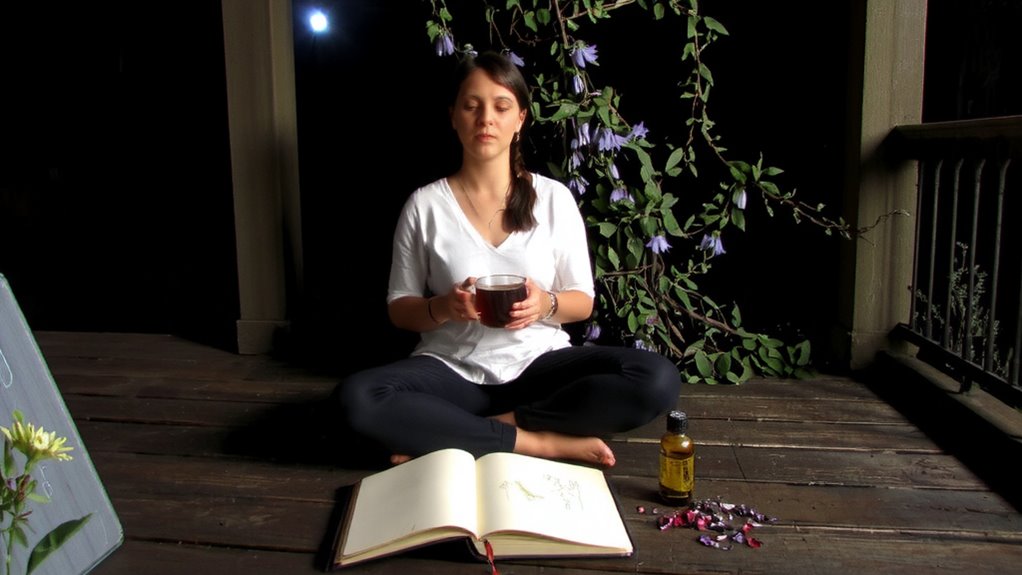
You’ve seen how passionflower supports your brain’s natural calming systems by working with GABA, and now it’s worth looking at what research shows about its real-world effects on sleep and mood. Chemical analysis reveals compounds like flavonoids and alkaloids that may influence brain activity linked to relaxation. Clinical evidence, though still emerging, suggests passionflower can help improve sleep quality and reduce mild anxiety. Some studies show participants falling asleep faster and reporting better rest, while others note modest improvements in mood. Most trials use standardized extracts, making dosing more reliable. Effects tend to be mild compared to prescription medications, but with fewer reported side effects. You’ll find the strongest results in short-term use, especially when stress contributes to sleep issues. For now, passionflower appears safe for most people, offering a gentle, research-supported option worth considering when addressing sleep and mood together.
Best Passionflower Supplement Forms: Pills, Tea, and Tinctures
Choosing the right passionflower supplement comes down to how quickly you need relief, how convenient it is to take, and how consistent the dose must be. If you value dosage consistency and long shelf life, capsules or tablets are practical-they offer measured amounts and stay fresh for months when stored properly. Tea provides a soothing ritual and faster absorption, but strength can vary with brewing time and herb quality, making dosing less precise. Tinctures, taken with a dropper, absorb quickly and allow flexible dosing, though alcohol-based ones may have a shorter shelf life once opened. You can adjust tincture amounts based on how you feel, which helps with personal experimentation. Each form supports calm sleep onset, so your choice depends on lifestyle, timing needs, and how much control you want over each dose. For office workers struggling with sleep, using effective noise-masking solutions can enhance the calming effects of passionflower supplements.
Passionflower Safety: Who Should Avoid It?
While passionflower may help ease sleep troubles and low moods, it’s not right for everyone, even in trusted forms like pills, tea, or tinctures. You should avoid it if you have pregnancy concerns or take medications that could lead to harmful drug interactions. It may affect hormone levels or uterine activity, making it risky during pregnancy. It can also boost the effects of CNS depressants like benzodiazepines or sedatives, increasing drowsiness or dizziness. Below is who should use caution:
| Who Should Avoid | Reason |
|---|---|
| Pregnant women | Pregnancy concerns; possible hormonal or uterine effects |
| Those on sedatives | Drug interactions; increased drowsiness |
| People on MAOIs or SSRIs | Drug interactions; risk of serotonin syndrome |
| Surgery patients (within 2 weeks) | May affect anesthesia or recovery |
Always consult your doctor first to make safe, informed choices.
Boosting Passionflower’s Effects With Other Natural Aids
What if combining passionflower with other natural sleep aids could improve its effects? You might find better results by pairing it with complementary herbs and nutrients. Lavender synergy works well-both calm the nervous system, so using them together may deepen relaxation and support sleep quality. A magnesium pairing also makes sense since magnesium helps regulate neurotransmitters involved in sleep and mood. Taking passionflower with a magnesium supplement, especially in the form of magnesium glycinate, can reduce nighttime awakenings. Many people report improved rest when they combine these, but individual responses vary. It’s best to start with low doses and monitor how you feel. Always consult your healthcare provider before mixing supplements, especially if you take medications for depression or sleep. This approach supports informed, gradual experimentation for better sleep.
On a final note
You now have clear options to contemplate when using passionflower for sleep and mood support. Pills, teas, and tinctures offer flexibility, each with reliable absorption and dosage control. Research suggests modest benefits for mild insomnia and depressive symptoms, though results vary. Always check with your doctor before starting, especially if you’re on medication. Pairing passionflower with good sleep habits or other natural aids may increase effectiveness. A short trial can help you decide if it works for you.