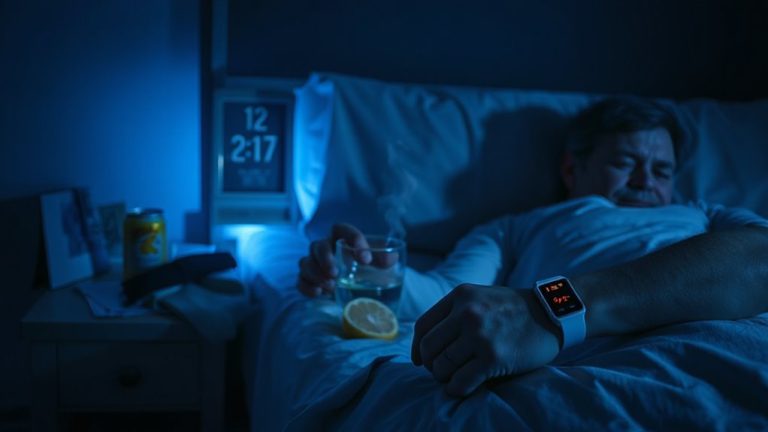
Why Shift Work Sleep Disorder Is More Severe With Rapidly Rotating Shifts
Rapidly rotating shifts keep your body clock from adjusting, making shift work sleep disorder worse. You don’t get a chance to adapt, so sleep stays unrefreshing and fragmented. Night shifts expose you to light that suppresses melatonin, disrupting daytime rest. This constant misalignment mimics chronic jet lag, increasing fatigue, mood issues, and long-term health risks. Simple routines and smart light use can help-options with proven results are worth trying.
Notable Insights
- Rapidly rotating shifts prevent circadian adaptation, keeping the body in constant misalignment.
- Frequent changes disrupt melatonin rhythms, reducing sleep quality and delaying sleep onset.
- The body experiences chronic jet lag, impairing alertness during work and sleep during rest.
- Short intervals between shifts limit recovery, decreasing total sleep and restorative rest.
- Persistent circadian disruption increases risks of metabolic, cardiovascular, and mood disorders.
What Is Shift Work Sleep Disorder?
A disrupted sleep schedule isn’t just an inconvenience-it can signal shift work sleep disorder (SWSD), a real condition affecting people whose work hours overlap with typical nighttime rest periods. You might struggle with chronic insomnia, finding it hard to fall or stay asleep when you need to. Even if you get enough sleep, it often feels unrefreshing. This constant fatigue can lead to mood disturbances like irritability, anxiety, or low motivation. SWSD isn’t just poor sleep hygiene-it’s a clinical issue tied to your circadian rhythm misalignment. Over time, poor sleep quality impacts focus, safety, and long-term health. Sleep aids may help temporarily, but they come with trade-offs like dependence or drowsiness. Consider discussing options with a doctor, especially if symptoms persist. Look for treatments backed by research, and check if your workplace offers support or flexible scheduling options.
How Rotating Shifts Break Your Body Clock
While your body relies on a consistent rhythm to regulate sleep and wakefulness, frequently rotating shifts can throw that system into disarray. Each shift change disrupts your internal clock, making it nearly impossible to adjust. This constant switch leads to circadian misalignment, where your body’s natural timing conflicts with your sleep schedule. When you work nights, bright lights suppress melatonin production, causing melatonin suppression that tricks your brain into thinking it’s daytime. As a result, falling asleep during the day becomes harder, and sleep quality drops. Even short shifts can prevent deep, restorative rest. Over time, this pattern weakens alertness and health. Your body never fully adapts, increasing risks for long-term sleep issues. Managing light exposure, maintaining a stable sleep routine when possible, and considering evidence-based sleep aids may help support better rest despite the challenges.
Why It Feels Like Permanent Jet Lag
Because your internal clock can’t keep up with frequent shift changes, you’re constantly experiencing symptoms much like jet lag-except without ever boarding a plane. This ongoing circadian misalignment tricks your body into feeling awake when it’s time to sleep and exhausted during work hours. The result? Chronic fatigue that builds up, affecting focus, mood, and overall well-being.
| Feeling | Reality |
|---|---|
| Rested in the morning | You just finished a night shift |
| Alert at work | Your body wants to sleep |
| Ready to relax at night | Your mind is still racing |
This mismatch isn’t just inconvenient-it’s a real barrier to consistent sleep. Over time, your sleep quality suffers, making recovery harder. Recognizing these patterns helps you consider strategies like controlled light exposure, consistent sleep schedules on days off, and short-term use of sleep aids-always under professional guidance.
How Rotating Shifts Harm Your Health
You’re not imagining it-constant shift changes do more than disrupt sleep, they take a real toll on your health over time. Rotating shifts force your body into circadian misalignment, where your internal clock clashes with work and sleep times. This mismatch doesn’t just harm sleep quality-it triggers hormonal imbalance, affecting cortisol, melatonin, and insulin levels. Over time, you may face higher risks of metabolic disorders, weakened immunity, and cardiovascular strain. Unlike fixed shifts, rotating schedules prevent your body from adapting, making restorative sleep harder to achieve. Your body struggles to regulate key functions, increasing long-term health risks. Recognizing these effects helps you make informed choices about sleep hygiene, potential sleep aids, or discussing shift adjustments with employers. Monitoring your physical and mental well-being can guide when to seek professional support. Small, consistent changes may help manage symptoms while supporting overall health.
Signs You Have Shift Work Sleep Disorder
Could your shifting schedule be behind persistent fatigue and sleep troubles? If you struggle to sleep when you need to, or feel exhausted despite trying, you might have shift work sleep disorder. You’re not alone-many people with rotating shifts experience poor sleep quality and extended daytime fatigue. You may find it hard to fall asleep or stay asleep for long, even when you have time off. Your sleep might feel light or disrupted, leaving you groggy. At work, concentration slips, and irritability rises. These signs often persist for weeks, especially with frequent shift changes. Trouble syncing your body clock can make symptoms worse. If this sounds familiar, consider tracking your sleep and discussing it with a professional. Identifying patterns helps determine if you need changes to your routine or a sleep aid worth trying under guidance.
How to Sleep Better on Rotating Shifts
When your work hours keep changing, getting restful sleep can feel out of reach, but small, consistent changes to your routine might help you sleep better over time. Prioritize sleep hygiene by keeping a regular bedtime-even on days off-and creating a quiet, dark, cool sleeping environment. Avoid screens and caffeine before bed, since they interfere with your body’s ability to wind down. Manage light exposure carefully: wear sunglasses on your way home from a night shift to block morning sunlight, and use bright lights at work to signal alertness. Consider blackout curtains or a sleep mask to simulate nighttime. These strategies support your body’s shifting rhythm without relying on sleep aids. While results vary, many find improved rest within a few weeks of consistent practice. Give each change time to work before adjusting your approach.
On a final note
You’ll struggle more with rapidly rotating shifts because they give your body no time to adjust, disrupting sleep and alertness. This constant change worsens insomnia and fatigue. Consider proven strategies like controlled light exposure, consistent sleep routines, and short naps. If symptoms persist, talk to a doctor about possible treatments, including approved sleep aids with clear dosing and trial guidelines. Weigh benefits and side effects carefully.