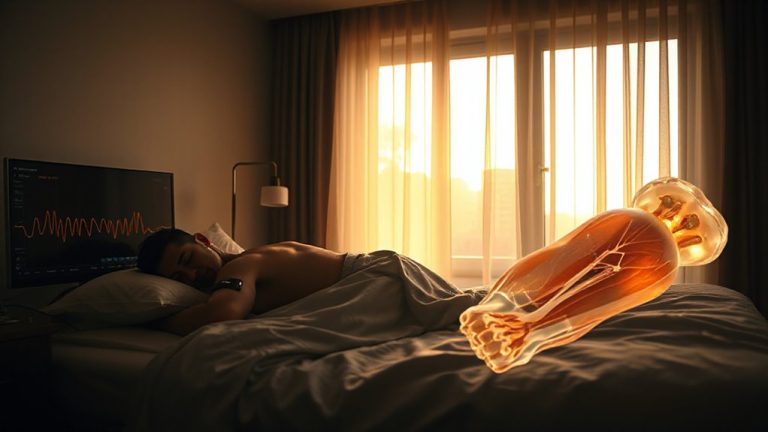
How to Use Sleep-Tracking Apps to Monitor Sleep Quality and Musculoskeletal Symptom Patterns
You can use sleep-tracking apps like SleepScore or BedtimeRx to link your sleep quality with musculoskeletal symptoms by logging pain levels each morning and syncing data from wearables. These apps track deep sleep, which affects tissue repair and inflammation, and let you record triggers like room temperature or mattress comfort. Match symptom intensity with sleep stages over time to spot patterns, then adjust bedtime routines, pillows, or relaxation habits. Consistent tracking helps you make informed choices about sleep aids or treatments-next steps depend on your unique trends.
Notable Insights
- Choose a sleep-tracking app that records pain intensity, sleep quality, and environmental factors like room temperature.
- Use apps with symptom journals to log musculoskeletal symptoms daily alongside sleep data.
- Analyze deep sleep duration trends, as poor deep sleep may worsen back and joint pain.
- Sync daily pain diaries with sleep data to identify patterns between sleep stages and symptom severity.
- Adjust sleep habits based on app insights and share trend reports with healthcare providers for better pain management.
Choose a Sleep-Tracking App That Tracks Pain Triggers
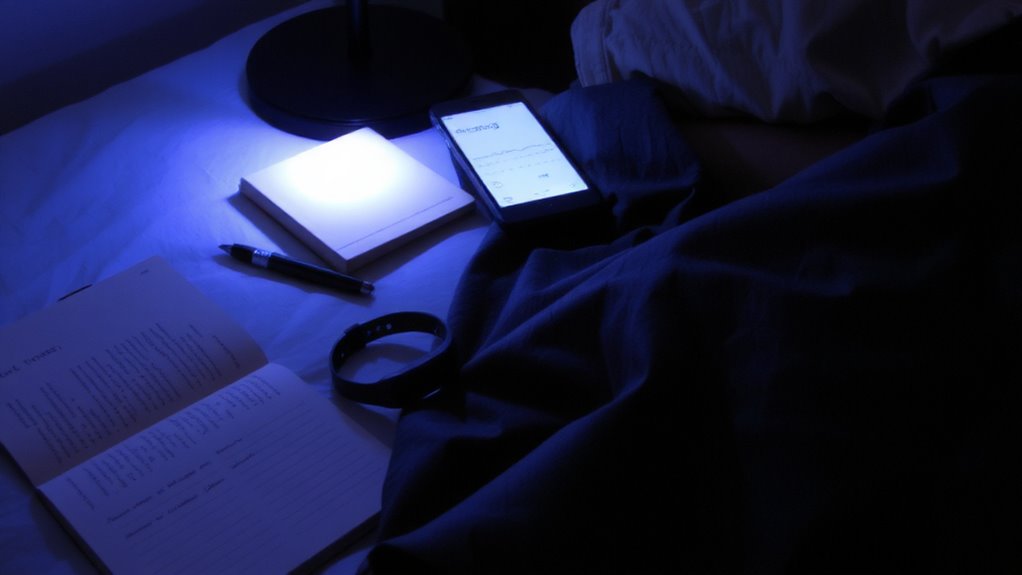
How often does your pain seem worse after a poor night’s sleep? Tracking that link starts with choosing a sleep-tracking app that logs pain triggers alongside sleep patterns. Look for apps that let you record pain intensity each morning and correlate it with sleep quality data. Some apps even let you note factors like mattress comfort or room temperature, giving insight into how your sleep environment affects discomfort. Apps like SleepScore or BedtimeRx offer symptom journals and smart alarms, helping you spot trends over time. Most sync with wearable devices for more accurate motion and heart rate tracking. Free versions exist, but premium features often include detailed reports and exportable data-useful when discussing symptoms with your doctor. Many offer 7- to 30-day trials, so test before you commit. Choosing the right app helps you make informed choices about sleep aids or environment changes-without guesswork. For those seeking alternatives, non-wearable sleep trackers provide accurate monitoring without requiring any devices to be worn during sleep.
See How Deep Sleep Affects Back and Joint Pain
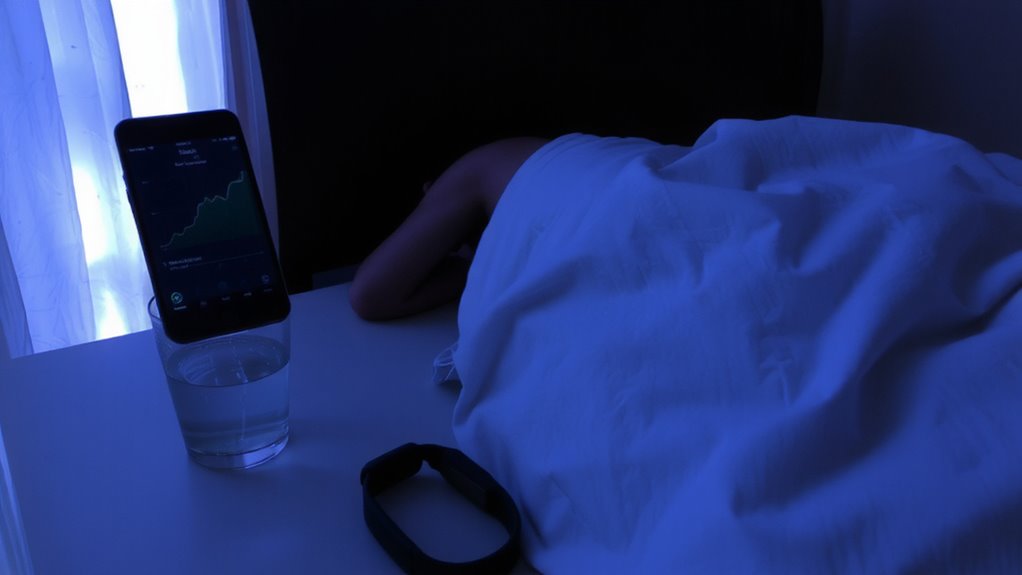
You’ve started tracking your sleep and pain patterns, and now it’s time to look more closely at the quality of your rest, especially the deep sleep phase. Deep sleep is when your body repairs tissues and supports inflammation control, which can directly impact back and joint pain. During this stage of sleep cycles, growth hormone release helps with pain relief and recovery. If your app shows short or disrupted deep sleep periods, you might notice more stiffness or discomfort. Consistent deep sleep may reduce nighttime flare-ups and improve next-day mobility. Use your app’s breakdown of sleep stages to spot patterns-like how long you spend in deep sleep and how that matches your pain levels. Poor deep sleep could signal a need to adjust your sleep environment or routine, or evaluate if a sleep disorder is interfering. Small changes may support better inflammation control and pain relief over time.
Log Symptoms Daily to Match With Sleep Data
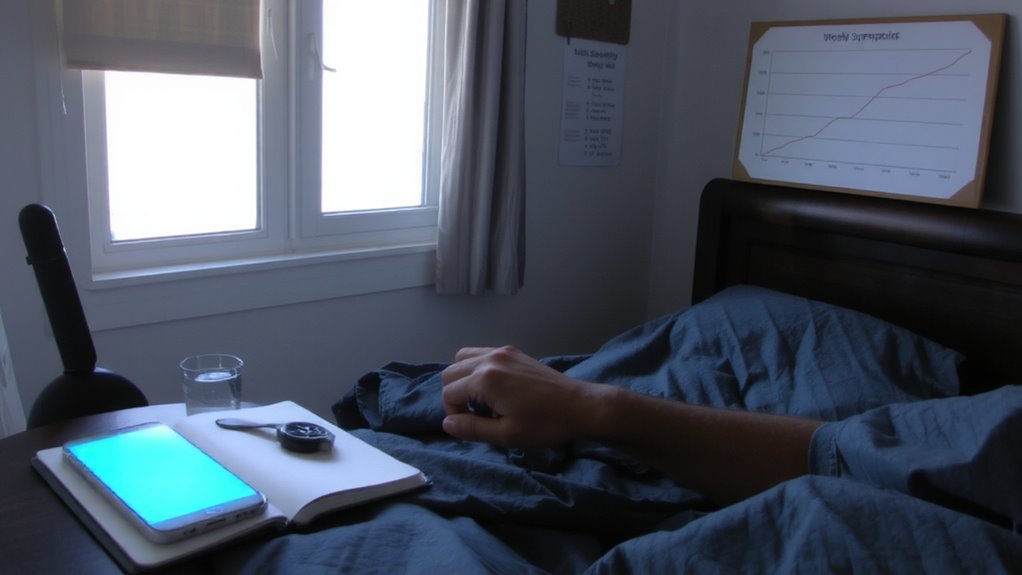
Why do some nights feel restorative while others leave you sore and stiff? You can start finding answers by logging symptoms daily alongside your sleep data. Keep a pain diary or symptom journal each morning-note pain levels, stiffness, swelling, or fatigue. Rate each symptom on a simple 1–10 scale so trends become clear over time. Then, sync these entries with your sleep-tracking app to compare patterns. Did poor sleep follow higher pain scores? Did deep sleep improve recovery? Matching daily logs with sleep stages helps link musculoskeletal symptoms to rest quality. Use this information to decide when to adjust habits, consider sleep aids, or consult professionals. A consistent symptom journal doesn’t give instant answers, but it builds a clearer picture of your health over weeks. That’s how informed choices about treatment, routines, or device use begin-with accurate, personal data.
Spot Sleep-Pain Patterns Early
Once you’ve built a habit of logging daily symptoms and syncing them with your sleep data, patterns start to surface-and catching them early makes a difference. You might notice lower sleep duration on nights when your pain intensity spikes, or see that poor sleep quality often precedes stiffer joints the next day. Sleep-tracking apps help you connect these dots by displaying trends over time, often in easy-to-read graphs. When you spot a pattern-like shorter sleep duration linked to higher pain intensity-you can share it with your healthcare provider to guide decisions. Early recognition gives you a chance to adjust bedtime routines or consider evidence-based sleep aids. Monitoring helps you understand your body’s signals without guessing. Over time, noticing these links supports smarter choices about when to seek help or modify habits-giving you control before small issues become bigger problems.
Change Habits to Break Pain-Sleep Cycles
While sleep and pain often influence each other in a repeating cycle, small, consistent changes to your nightly routine can help disrupt the pattern. Improving your sleep hygiene-like keeping a regular bedtime, reducing screen time before bed, and creating a quiet, cool sleep environment-supports deeper, more restorative rest. These adjustments can lessen nighttime pain disruptions and improve morning stiffness. You might also try gentle stretching or relaxation techniques as part of your wind-down routine, which can aid both sleep hygiene and pain management. Over-the-counter sleep aids or supportive pillows may help, but check with your doctor first, especially if you’re on other medications. Consistency matters more than perfection-small steps add up. Tracking how these changes affect your symptoms gives insight into what works. Over time, better habits can reduce reliance on medication and improve long-term outcomes.
Track Trends to Prevent Flare-Ups
If you’ve noticed that your pain tends to spike after restless nights, tracking your sleep patterns and symptoms over time can help you catch warning signs before a full flare-up occurs. By reviewing app data weekly, you can link dips in sleep quality to changes in activity levels or poor sleep hygiene, like inconsistent bedtimes or screen use before bed. Spotting these trends lets you adjust habits early-maybe scale back intense workouts or set a phone reminder to start winding down. Some apps even flag unusually low sleep efficiency, prompting you to modify routines before discomfort builds. Monitoring helps you see how factors interact, giving you clearer cause-and-effect insights. Over time, this tracking supports smarter choices about rest, movement, and when to evaluate sleep aids. It won’t stop pain entirely, but it can reduce flare-up frequency by helping you stay proactive. A high-quality best smartwatches for sleep can enhance tracking accuracy with advanced sensors and detailed recovery metrics.
On a final note
You can use sleep-tracking apps to see how your sleep affects musculoskeletal symptoms like back or joint pain. By logging pain daily and reviewing sleep stages-especially deep sleep-you spot patterns over time. This helps you adjust habits, such as sleep schedule or pillow use, to break pain-sleep cycles. Tracking trends may reduce flare-ups. Choose apps with solid data export, reliable sensors, and privacy policies you trust. Try features during free trials before committing.