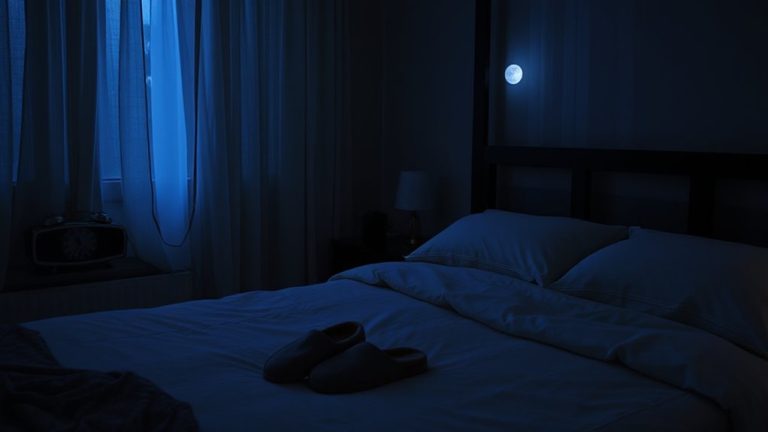
The Role of Physical Activity in Managing Advanced Sleep Phase Disorder
You can use physical activity to help delay your sleep cycle if you have Advanced Sleep Phase Disorder. Time workouts in the late afternoon or early evening to gently push back your internal clock. Exercise raises body temperature and alertness, which can delay melatonin release. Try moderate resistance or aerobic sessions about 3 hours before bed. Combine with bright light exposure for better results. Consistency matters most-stick with it, and you’ll see clearer patterns emerge over time.
Notable Insights
- Evening physical activity can delay the internal clock, helping counteract early sleep onset in ASPD.
- Moderate-intensity workouts between 6–8 p.m. are most effective for shifting circadian timing later.
- Exercise elevates body temperature and alertness, which may delay melatonin release critical for sleep.
- Combining evening exercise with bright light therapy enhances circadian phase delay and sleep timing improvement.
- Consistent late afternoon or early evening activity, at least three times weekly, supports sustainable sleep phase adjustments.
What Is Advanced Sleep Phase Disorder?
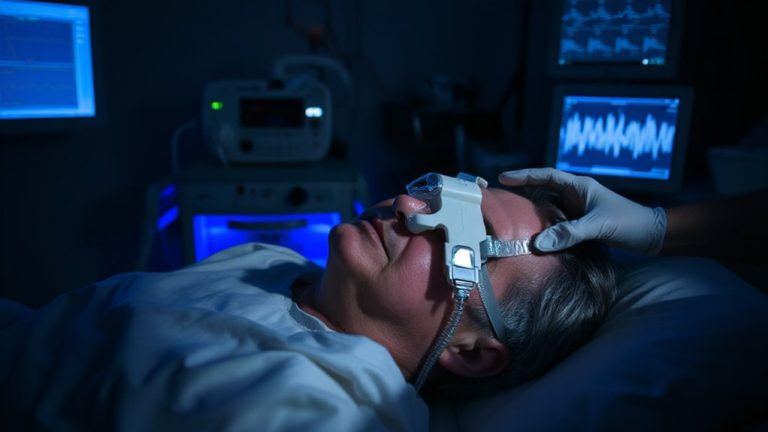
What if you were going to bed by 8 p.m. and waking up by 3 a.m., not because of work or stress, but because your body’s internal kklock had shifted? That’s the core of Advanced Sleep Phase Disorder (ASPD). This definition overview shows ASPD is a circadian rhythm condition where your sleep cycle runs several hours earlier than typical. A symptoms summary includes falling asleep early in the evening and waking up in the middle of the night, often unable to return to sleep. You might feel alert in the evening but struggle with daytime alertness by late afternoon. It’s not just preference-it’s a biological shift. Diagnosis usually involves sleep logs or actigraphy, and treatment options range from light therapy to melatonin. Understanding ASPD helps you make informed choices about managing sleep timing, without assuming one fix fits all.
Why Evening Workouts Delay Sleep in ASPD
Though your body’s internal clock runs early with Advanced Sleep Phase Disorder, exercising in the evening might push your sleep even earlier or disrupt your ability to fall asleep at your preferred time. This happens because late-day physical activity can cause circadian misalignment, shifting your natural rhythm when it’s already advanced. Exercise raises core body temperature and alertness, which may interfere with the usual wind-down process. It also contributes to melatonin suppression, delaying the hormone’s release when you need it for sleep. Since your system likely produces melatonin earlier than average, adding evening exertion can worsen timing issues. You don’t have to skip workouts, but timing matters. Shifting exercise to midday or early afternoon supports better alignment. Monitor how your sleep responds-you might notice quicker fatigue or earlier sleep onset. Trial and adjust to find what stabilizes your pattern without strain.
How Timing Your Exercise Resets Your Clock
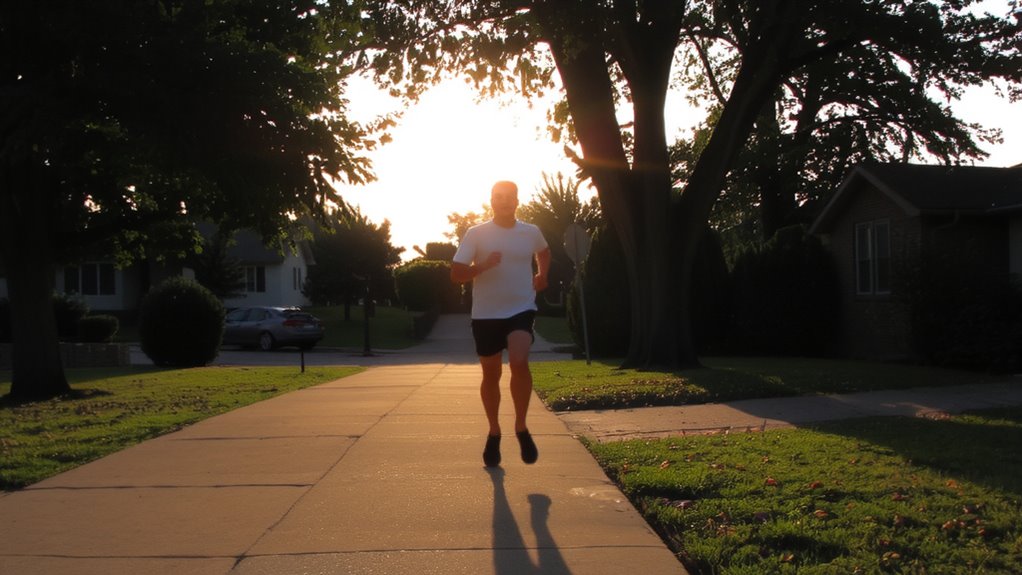
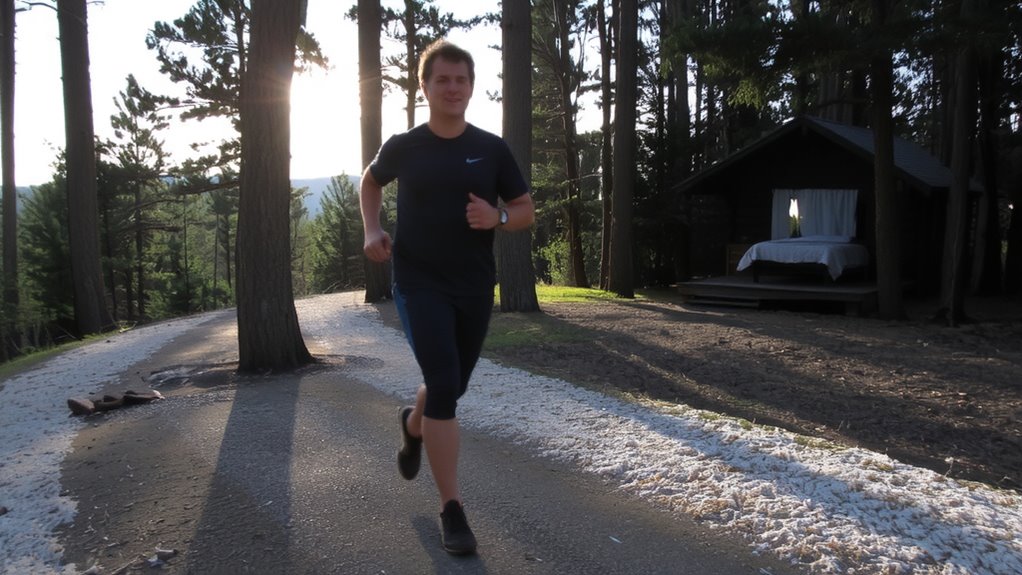
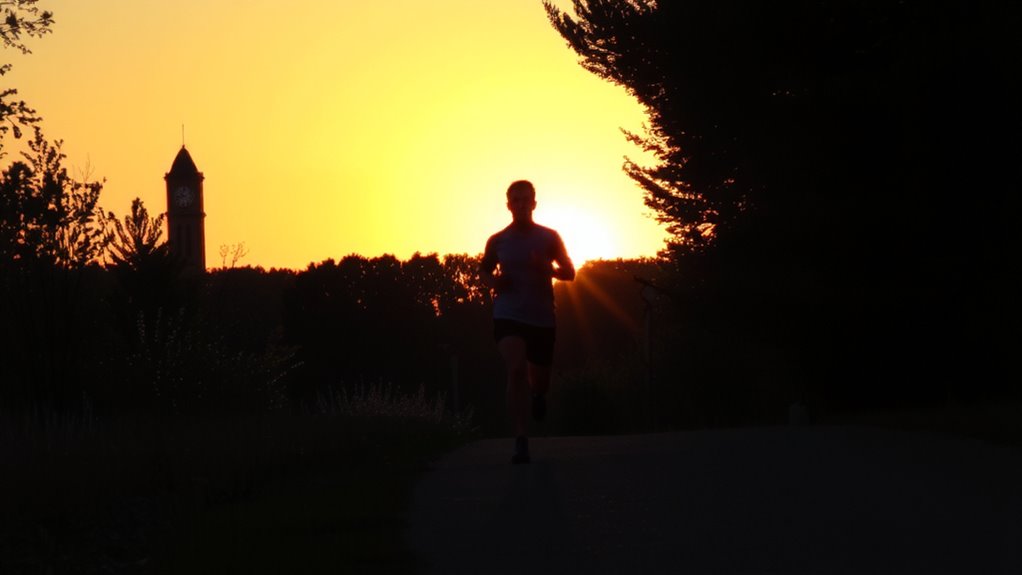
Because your circadian rhythm is already advanced in ASPD, scheduling workouts at the right time can gently nudge your internal clock back into better alignment. Exercising in the early evening-say, between 6 and 8 p.m.-can delay your sleep drive just enough to support better circadian alignment over time. The effect depends on both timing and exercise intensity; moderate to vigorous activity appears most effective, as it elevates core body temperature and stimulates alertness. You don’t need intense daily training-just consistent effort a few times per week. Morning workouts, while healthy, may not provide the same timing benefits and could even reinforce early waking. Over weeks, this gradual shift can help you stay awake later and wake later, matching societal schedules more closely. Always monitor how changes affect your sleep quality and daytime energy, adjusting timing or intensity as needed for best results.
Effective Workouts to Stay Awake Later
How can you choose workouts that help you stay awake later without disrupting your sleep health? Opting for moderate-intensity activities in the late afternoon or early evening can shift your internal clock slightly later. Resistance training, like bodyweight exercises or light weights, boosts alertness and delays fatigue without overstimulating your system if done at least three hours before bed. Pair this with gentle yoga stretches in the evening to ease tension and support relaxation later, without triggering sleepiness too soon. These workouts improve circadian timing when performed consistently. Choose movements that elevate your heart rate modestly but avoid high intensity close to bedtime. Since individual responses vary, trial different types and timings to see what helps you stay awake longer while still winding down effectively. Track results over a week to assess effectiveness.
Build a Sleep-Adjusting Workout Routine
You’ve already explored workouts that help you stay awake later by shifting your alertness window, but now it’s time to shape those choices into a consistent plan. Exercise consistency is key-aim for daily movement at the same time each evening to reinforce your new rhythm. Stick to moderate-intensity activities like brisk walking, cycling, or resistance training, since they’re effective and sustainable. However, include routine variation to prevent burnout and adapt to daily energy shifts. Rotate between cardio, strength, and flexibility exercises every few days, keeping sessions between 30–60 minutes. This balance supports long-term adherence without overexertion. Track your sleep and energy levels weekly to assess what’s working. If fatigue rises, adjust intensity or duration. Building this routine helps align your body clock gradually, making delayed sleep feel more natural over time.
Pair Light Therapy With Evening Exercise
What if you could boost the effects of your evening workout by strategically using light? Pairing light therapy with evening exercise may enhance circadian flexibility, helping shift your internal clock later. Use bright light exposure during or right after your workout-around 470 nm blue-enriched light works well. This combo supports metabolic resonance, aligning your body’s energy use with delayed sleep signals. Aim for 30 minutes of light at 2,500–10,000 lux while exercising, like cycling or resistance training. Consistency matters; try this five to six evenings weekly. Devices vary, so check for adjustable intensity and timers. Some come with warranties if used as directed. Not all respond the same-track sleep onset and energy. If morning drowsiness persists, reconsider timing. This method doesn’t replace medical care but offers a structured, non-invasive option to explore alongside professional guidance.
On a final note
You can manage advanced sleep phase disorder by timing exercise and light exposure carefully. Evening workouts help delay sleep onset, gently shifting your rhythm later. Pairing physical activity with bright light therapy boosts effectiveness. Aim for moderate-intensity exercise 2–3 hours before your current bedtime. Start with 30-minute sessions, adjusting based on response. Most see improvements in 2–4 weeks, with consistent practice. Consider consulting a sleep specialist to personalize your plan and monitor progress.