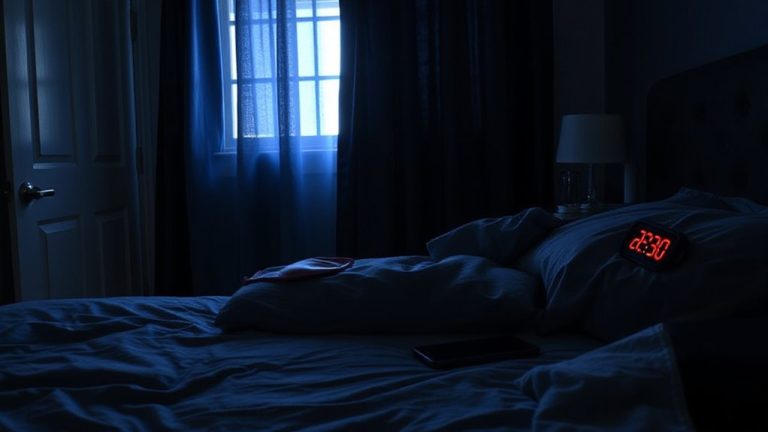
The Impact of Noise Pollution on Sleep Stage Transitions
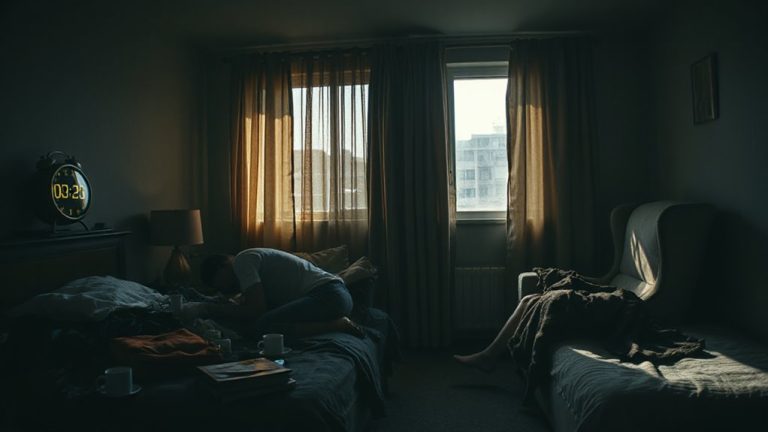
You’re likely experiencing subtle sleep disruptions from nighttime noise without realizing it. Sounds like traffic or loud neighbors trigger micro-arousals that pull you from deep or REM sleep into lighter stages, breaking your sleep cycles. This fragmentation reduces restorative rest and can impair memory, mood, and health over time. Using earplugs or a white noise machine helps protect sleep continuity. Options vary in comfort and noise reduction, so trying one with a trial period might be worth it-your sleep quality could improve more than you expect.
Notable Insights
- Noise pollution triggers micro-arousals that disrupt deep and REM sleep without causing full awakening.
- Sudden or loud sounds interfere with smooth transitions between sleep stages, fragmenting overall sleep architecture.
- Low-frequency noises, like traffic rumbles, easily penetrate barriers and disturb slow-wave sleep cycles.
- Auditory processing during sleep allows the brain to react to environmental sounds, altering brainwave patterns.
- Using white noise machines or earplugs can stabilize sleep stage transitions by masking disruptive sounds.
How Noise Pollution Disrupts Deep and REM Sleep
Why does a passing siren or a loud neighbor suddenly jerk you awake just as you’re drifting off? Your brain never fully shuts down during sleep-auditory processing continues, monitoring sounds for danger. Even in deep and REM sleep, noise can trigger micro-arousals, disrupting sleep architecture without fully waking you. These interruptions reduce restorative sleep quality, affecting mood and focus the next day. You might not remember the disturbances, but your body feels the impact. Understanding how noise affects auditory processing helps explain why consistent, quiet environments support healthier sleep cycles. If nighttime sounds are a concern, consider solutions like white noise machines or high-quality earplugs. Look for models with long run times, comfortable fit, and trial periods to test effectiveness. Evaluating these features can lead to better, more informed choices for improving your sleep environment and overall rest. For those seeking deeper sound masking, brown noise machines can provide a richer, more grounding auditory buffer.
Common Sources of Nighttime Noise Pollution
While your brain stays alert to sounds even during sleep, knowing where those noises come from can help you take control of your rest. Traffic sounds, like cars and trucks passing by, are among the most frequent nighttime disturbances, especially if you live near busy roads. These steady, low-frequency rumbles can seep through windows and walls, making it harder to stay in deep sleep. Construction noise is another common source, often sudden and unpredictable-think jackhammers or early-morning drilling. Such sounds tend to spike during city or neighborhood projects, interrupting sleep even if they’re short-lived. Airplanes and loud neighbors add to the mix, but traffic and construction are consistent triggers. Identifying these sources lets you plan solutions, such as using noise-blocking curtains, earplugs, or white noise machines. You might also consider relocating your bedroom or adjusting windows for better insulation. Not every fix works for everyone, so testing options helps find what fits your environment best. A highly effective option is using the best white noise machines for consistent sound masking during sleep.
How Noise Breaks Your Sleep Cycles
Even when you’re asleep, your brain doesn’t fully shut off-it keeps listening, and sudden or persistent noises can pull you out of deep or REM sleep without fully waking you. These disruptions interfere with your sleep architecture, fragmenting what should be smooth shifts between stages. Noise causes brief brainwave interference, shifting your brain from restorative deep sleep into lighter stages, often without your awareness. Over time, this leads to less time in REM and slow-wave sleep, both critical for memory and recovery. You might not remember waking, but your sleep quality drops. Consistent exposure means your body struggles to maintain natural rhythms. Using earplugs, white noise machines, or soundproofing windows can help reduce these disturbances. Some find wearable sleep tech useful for tracking how noise affects their cycles. When choosing sleep aids, consider ones designed to mask disruptive sounds. Look for models with adjustable frequencies and trial periods to test effectiveness. For those with tinnitus, using the right best noise maskers can significantly improve sleep quality by providing consistent auditory masking.
Health Risks of Chronic Sleep Interruptions
Night after night of broken sleep takes a toll. You’re not just tired-you’re facing real health risks. Chronic sleep interruptions boost cardiovascular stress, raising blood pressure and straining your heart over time. They also deepen mental fatigue, clouding focus, slowing reactions, and weakening emotional control. These effects pile up quietly, increasing long-term vulnerability to serious conditions.
| Risk | Impact |
|---|---|
| Cardiovascular stress | Raises heart rate and blood pressure |
| Mental fatigue | Reduces attention and decision-making |
| Immune function | Weakens body’s defense systems |
| Metabolic balance | Disrupts glucose processing |
| Mood regulation | Increases irritability and anxiety |
You don’t need a diagnosis to act. Recognizing patterns helps you decide whether to adjust your environment, track symptoms, or consult a specialist. Small changes now can affect long-term well-being, especially when sleep quality influences daily performance and health resilience.
Proven Ways to Protect Your Sleep From Noise
You can take real steps to shield your sleep from noise, especially when you know how disruptions affect your health. Using white noise machines can mask sudden sounds, creating a steady background that helps maintain sleep phase shifts. These devices work by emitting a consistent frequency, often mimicking soft rain or static, which your brain learns to tune into over time. For stronger isolation, consider ear protection like foam earplugs or molded silicone versions-they differ in comfort and noise reduction ratings, so try a few styles. Some come with trial periods or warranties, making testing risk-free. While white noise suits those who want environmental control, ear protection offers portability and deep sound blocking. Both options support uninterrupted REM and deep sleep cycles. Pair either with good sleep hygiene for best results.
On a final note
You can reduce noise pollution’s impact by using earplugs, white noise machines, or soundproof windows. These solutions vary in cost and effectiveness, so test them during sleep trials. Look for products with warranties or return policies. Consistent use may improve deep and REM sleep stages, supporting better long-term health. If sleep issues persist, consult a specialist to explore disorders or tailored aid options.