The Complete Guide To Using Sleep Tracking Devices Effectively
Your sleep tracker uses movement, heart rate, and breathing to estimate sleep stages and quality. Make sure it fits snugly and stays charged every few nights for accurate data. Choose a model compatible with your phone and health apps, balancing features like REM tracking with comfort and budget. Remember, sleep scores give trends, not medical diagnoses. Use the insights alongside how you feel daily. Most devices offer trial periods, so test one to see how well it fits your routine.
Notable Insights
- Choose a sleep tracker compatible with your smartphone and health apps for seamless data integration.
- Wear the device snugly on your wrist or position sensor pads correctly under the mattress for accurate readings.
- Understand that sleep stages are estimated using heart rate and movement, not direct brain wave measurement.
- Focus on trends in sleep scores over time rather than nightly perfect data for meaningful insights.
- Avoid over-reliance on deep sleep metrics; prioritize how you feel awake over tracked numbers.
What Your Sleep Tracker Actually Measures
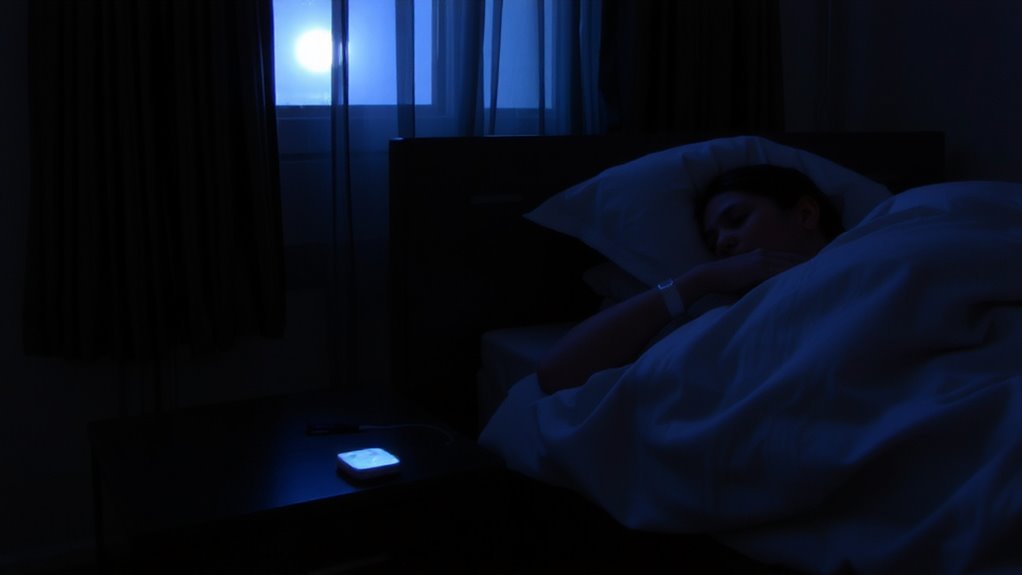
While your sleep tracker can’t diagnose sleep disorders on its own, it still gives you useful insights into your sleep patterns by measuring movement, heart rate, and breathing. It uses sensors to monitor your heart rate throughout the night, detecting changes that signal light, deep, or REM sleep stages. Some advanced models also track brain waves through EEG-based technology, offering a clearer picture of your sleep quality. These measurements help you spot trends-like restless nights or inconsistent sleep cycles-so you can adjust habits or discuss concerns with a doctor. While consumer devices aren’t medical-grade, they’re accurate enough for general feedback. Most come with a warranty of 1–2 years and allow trial periods, so you can test comfort and performance. Use this data to evaluate sleep aids, routines, or stress levels-not as a diagnosis, but as a practical tool for better sleep decisions. Top models now integrate wearable devices with advanced health monitoring features for a more comprehensive view of nightly rest.
Choose the Best Sleep Tracker for You
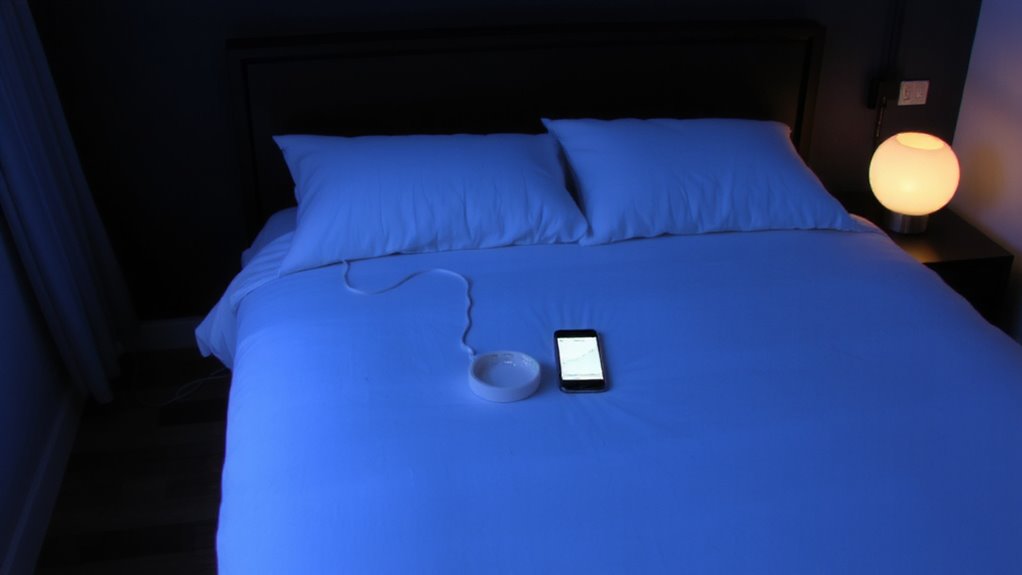
How do you find the right sleep tracker when so many options claim to improve your rest? Start by checking device compatibility-your tracker should sync smoothly with your smartphone or tablet, whether you use iOS or Android. Some models integrate with health apps like Apple Health or Google Fit, which helps you track trends over time. If you’re watching your spending, consider budget options like basic wristbands or clip-on devices that still capture core data such as sleep duration and movement. More advanced trackers offer heart rate monitoring and sleep stage estimates but come at higher prices. Look for models with trial periods or warranties so you can test comfort and performance. Build quality matters-lightweight, hypoallergenic materials are best for overnight wear. Prioritize features that match your sleep goals without overcomplicating your routine. Explore top-rated models to find one that delivers accurate insights, such as those highlighted in the best sleep-optimizing fitness trackers.
Set It Up for Accurate Tracking
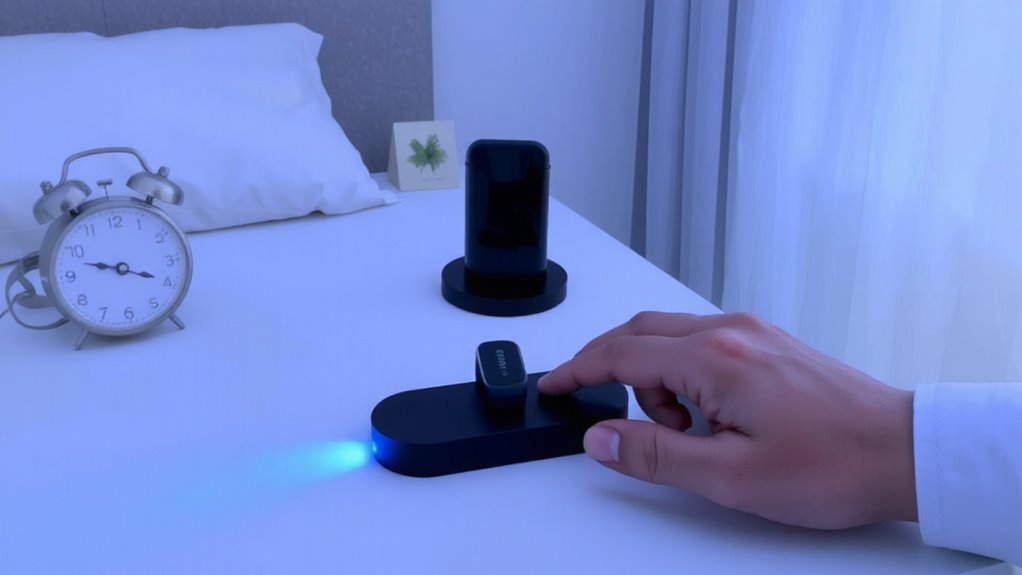
Once you’ve picked a sleep tracker that fits your needs, getting it set up right guarantees the data you collect is reliable. Proper device placement is key-wear it snugly on your wrist if it’s a wearable, or place it under your mattress if it’s a sensor pad, ensuring direct contact with your body. Avoid loose placement, as movement can skew results. Stick to a consistent charging routine so your device sleeps with you every night. Most trackers last 3–7 days per charge, but plugging it in right after morning use reduces the chance of missed nights. Sync it to your phone regularly to back up data and maintain accuracy. A well-charged device in the correct position captures consistent metrics over time, helping you assess sleep patterns, recognize disruptions, and decide whether adjustments-or professional advice-might help. For the most accurate insights, choose a device that monitors sleep stages as part of its core tracking features.
How to Understand Your Sleep Stages and Score
Why do you wake up feeling refreshed some mornings and drained others? Your sleep tracker can help explain that by showing your sleep stages-light, deep, and REM-throughout the night. During REM confluent sleep, you experience dream cycles, which are essential for memory and mood. Deep sleep repairs your body, while light sleep helps shift between stages. A good sleep score combines these stages with restlessness and wake time to reflect your overall sleep quality. Higher scores usually mean more restorative rest. You’ll notice patterns over time, like how stress or bedtime habits affect your cycles. While trackers aren’t medical devices, they offer useful insights into potential sleep issues. Use this data to decide if trying sleep aids or consulting a specialist might help. Check your device’s accuracy notes and warranty, too, in case you need support.
Use Data to Improve Your Sleep Routine
While your sleep tracker gives you detailed nightly reports, it’s what you do with that information that can lead to real improvements in how you feel each morning. Look for patterns in your sleep quality over time-like how long it takes to fall asleep or how often you wake up. If you notice poor sleep quality, check your bedtime habits: maybe screen time or late snacks are disrupting your rest. Adjust one habit at a time, then monitor changes across several nights to see what works. Consistency matters-going to bed and waking up at the same time helps regulate your sleep cycle. Use the tracker’s feedback to guide small, evidence-based tweaks, not drastic changes. This approach helps you make informed choices about sleep aids or routines, if needed, without jumping to conclusions. Over time, these data-backed adjustments can support better rest and overall well-being.
Avoid These Common Sleep Tracker Mistakes
Could your sleep tracker be leading you astray without you realizing it? Yes, if you’re not careful. Common mistakes like device placement errors can distort your data-wearing a wrist tracker too loosely or shifting it during sleep reduces accuracy. Placing it on your non-dominant wrist, snug but comfortable, improves readings. Understand that tracking deeper stages of sleep isn’t perfect; many devices estimate based on movement and heart rate, not brain waves. Don’t fall for sleep quality myths, such as equating more measured deep sleep with better rest-context matters. Over-reliance on data can increase anxiety, especially if you ignore how you actually feel. Use trends over time, not single-night stats, to guide decisions. Compare symptoms with readings, and when sleep issues persist, consult a specialist. Most trackers offer trial periods-test one that fits your lifestyle and has reliable customer support.
On a final note
You now know how sleep trackers measure rest, choose the right one, and interpret data like sleep stages and scores. Use insights to adjust your routine, but remember these devices support, not diagnose, sleep health. Check warranty and trial options before buying. Compare features, accuracy, and comfort to find a fit. Track consistently, avoid common errors, and consult a professional if concerns arise. Data helps-you decide the next step.