Using Sleep Diaries to Track Circadian Patterns in Delayed Sleep Phase Disorder
You’re not lazy-your internal clock runs late, and a sleep diary helps uncover that pattern. Track your bedtime, wake time, light exposure, and caffeine to see how your rhythm shifts. This record reveals your true circadian delay, guides when to time light therapy or melatonin, and shows what’s working. Over weeks, trends clarify whether adjustments are helping. Share the data with a specialist if progress stalls-your next steps may depend on what your logs show.
Notable Insights
- Sleep diaries reveal delayed sleep and wake times, highlighting the extended circadian rhythm typical in DSPD.
- Tracking bedtime and wake times helps distinguish DSPD from behavioral insomnia or other sleep disorders.
- Morning light exposure timing in diaries guides effective bright light therapy scheduling.
- Consistent sleep logging identifies patterns needed to time melatonin administration 2–3 hours before sleep onset.
- Sleep quality and alertness ratings help assess treatment response over 4–6 weeks.
What Is Delayed Sleep Phase Disorder (and Why a Sleep Diary Helps)?
What if your natural sleep rhythm just doesn’t match the 9-to-5 world? You might have delayed sleep phase disorder (DSPD), a condition where your sleep times are pushed later due to a genetic predisposition. Your body’s internal clock runs on a longer cycle, making it hard to fall asleep early, even when you try. This mismatch between your biology and society’s schedule leads to chronic social jetlag-feeling like you’re always in a different time zone. You’re not lazy; your circadian rhythm is genuinely delayed. While sleep aids may offer temporary help, they don’t fix the root cause. DSPD management often includes light therapy, melatonin, and behavioral adjustments. A sleep diary helps track patterns over time, offering clear data to guide treatment decisions with your doctor.
How Sleep Diaries Reveal Your Real Circadian Rhythm

You’re not just tracking sleep-you’re uncovering patterns shaped by your body’s internal clock. Sleep diaries expose your true circadian rhythm by revealing when you naturally fall asleep and wake, highlighting shifts due to hormonal influences like melatonin. Over time, you’ll see how these patterns affect sleep quality-whether you’re getting restorative rest or tossing and turning. Consistent entries create a clear picture, helping distinguish Delayed Sleep Phase Disorder from other issues.
| Time You Feel Sleepy | Typical Sleep Quality |
|---|---|
| Before 10 PM | High |
| 10 PM–12 AM | Moderate |
| After 1 AM | Low |
| Irregular | Unpredictable |
Spotting trends helps guide choices on light exposure, sleep aids, or consulting specialists-all based on real data from your life.
What to Track: Sleep, Light, Caffeine, and Wake Times

A solid sleep log starts with the basics: bedtime, wake time, total rest, and how you feel in the morning. These entries help you assess sleep quality and bedtime consistency, both key for spotting circadian misalignments. You should also track light exposure-especially morning sunlight-as it strongly influences your internal clock. Note when you get bright light and whether it’s natural or artificial. Caffeine intake matters too; record the time and amount, since late-day use can delay sleep. Tracking wake times helps identify patterns in alertness and grogginess. Over time, this data reveals how behaviors affect your rhythm. You’re not just logging hours-you’re mapping factors that shape rest. With clear records, you and your provider can make informed choices about lifestyle adjustments or possible sleep aids.
Which Sleep Diary Format Works Best?
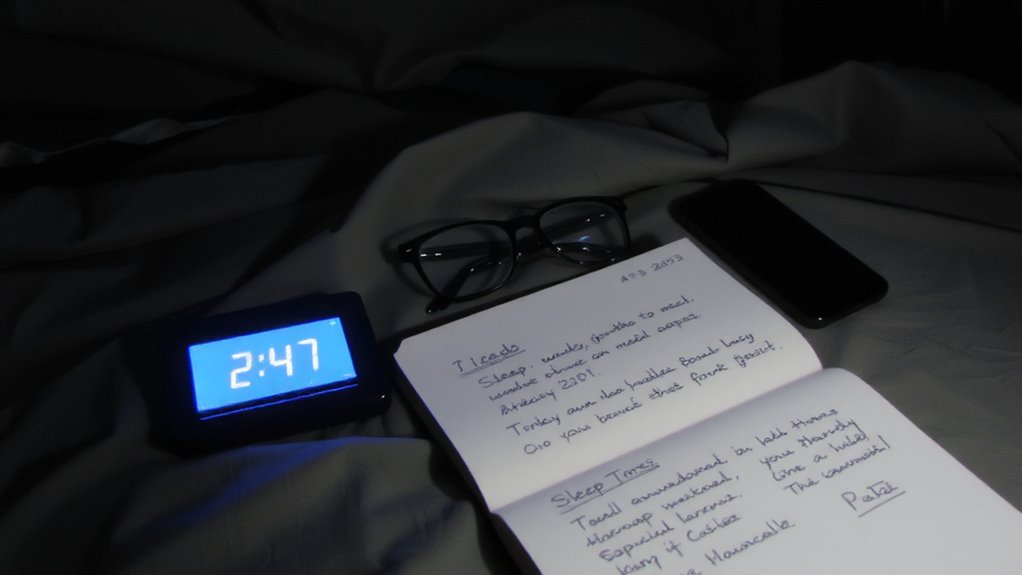
How do you find a sleep diary游戏副本 that fits your routine without adding stress? Choose one that’s simple but detailed enough to track key aspects like bedtime, wake time, light exposure, and caffeine use. Paper diaries offer privacy and no distractions, while apps can automatically log data and help visualize sleep architecture over time. Some digital formats even let you tag dream frequency, which might reveal patterns in your REM cycles. Look for formats with structured fields so you don’t miss entries, but avoid overly complex layouts that feel tedious. Consider trying a format for at least two weeks to see if it fits. Most apps offer free trials, and paper versions cost little to replace. The best choice helps you stay consistent, reduces guesswork about your sleep, and supports long-term tracking-without becoming a burden. For travelers managing circadian disruptions, a portable and user-friendly option like a best travel sleep journal can make all the difference in maintaining sleep routines on the go.
How to Spot Trends in Your Sleep Diary
What patterns hide in your nightly routine that might explain how rested-or drained-you feel each morning? Review your sleep diary weekly to uncover clues. Look for trends in sleep consistency and bedtime variability-these reveal delays in your circadian rhythm. Consistent bedtimes improve sleep quality, while high variability often links to increased daytime fatigue. Track your data in a simple table:
| Day | Bedtime | Sleep Duration |
|---|---|---|
| Monday | 1:15 AM | 7h 20m |
| Tuesday | 1:45 AM | 6h 40m |
| Wednesday | 1:05 AM | 7h 10m |
| Thursday | 2:30 AM | 5h 50m |
Large shifts in bedtime signal high bedtime variability, making rest harder to achieve. Over time, improving sleep consistency supports better rhythm alignment-without intervention yet. Use your diary’s trends to decide if adjusting habits could help.
How Your Diary Can Guide Light Therapy and Melatonin
Why might your sleep diary be the key to timing light therapy and melatonin right? Because it reveals your unique circadian patterns through consistent chronotype mapping. By tracking when you fall asleep and wake over weeks, you identify natural shifts in your internal clock. That data helps pinpoint the best times for light exposure-usually soon after waking-to reset hormonal triggers like melatonin. If your diary shows you fall asleep at 2 a.m., starting bright light therapy at 7 a.m. could gradually shift your rhythm earlier. Likewise, taking melatonin 2–3 hours before your current sleep onset time, based on diary trends, supports that shift. The diary doesn’t guess-it guides. You adjust timing as your sleep pattern changes, improving accuracy in treatment. Consistency in recording guarantees therapy aligns with actual, not assumed, rhythms, leading to more effective outcomes.
When to Take Your Sleep Diary to a Sleep Specialist
You’ve been using your sleep diary to fine-tune light therapy and melatonin timing, noticing shifts in your sleep onset and wake times over weeks. If your sleep timing still doesn’t align with desired schedules after consistent adjustments, it may be time for a specialist consultation. Bring your completed diary-it logs patterns, treatment responses, and daily routines-to help the specialist assess your circadian rhythm. A detailed record supports accurate diagnosis, especially when delayed sleep phase disorder overlaps with other conditions. You’ll discuss whether current strategies are effective or need revision, including possible changes to light exposure, melatonin dosage, or sleep-wake anchors. Don’t wait months; if improvement stalls after 4–6 weeks of faithful effort, seeking expert input increases your chances of long-term success. The diary gives the specialist concrete data, making your consultation more productive and focused on realistic goals.
On a final note
You now see how tracking your sleep, light exposure, caffeine, and wake times reveals your true circadian pattern. A well-kept sleep diary helps you and your doctor spot trends, time light therapy correctly, and decide on melatonin use. Whether using paper logs or apps, consistency matters most. Review your data weekly, look for shifts, and bring it to a sleep specialist if delays persist despite changes.