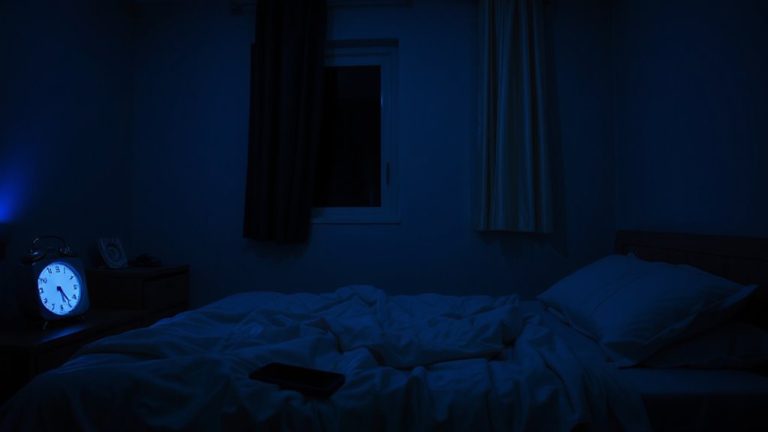
The Effect of Screen-Induced Mental Overstimulation on Spinal Alignment During Sleep
Late-night screens keep your brain overstimulated, making it harder to unwind and let your muscles fully relax. This mental arousal tenses your neck and back, disrupting natural spinal alignment while you sleep. Poor posture from scrolling adds strain, and emotional fatigue can silently shift your spine out of balance. Cut screen time an hour before bed, adjust your setup, and try supportive pillows or an adjustable base-you’ll start seeing how small changes improve recovery night after night.
Notable Insights
- Mental overstimulation from screens delays relaxation, keeping muscles tense and impairing spinal alignment during sleep.
- Blue light exposure suppresses melatonin, disrupting sleep onset and reducing time for proper postural recovery.
- Cognitive arousal maintains nervous system activation, increasing muscle tone that can misalign the spine overnight.
- Prolonged screen use causes neural fatigue, weakening the nervous system’s ability to regulate optimal sleep posture.
- Emotional stress from digital overuse triggers unconscious muscle tightening, contributing to spinal misalignment and discomfort.
Why Late-Night Screens Keep Your Brain Fired Up
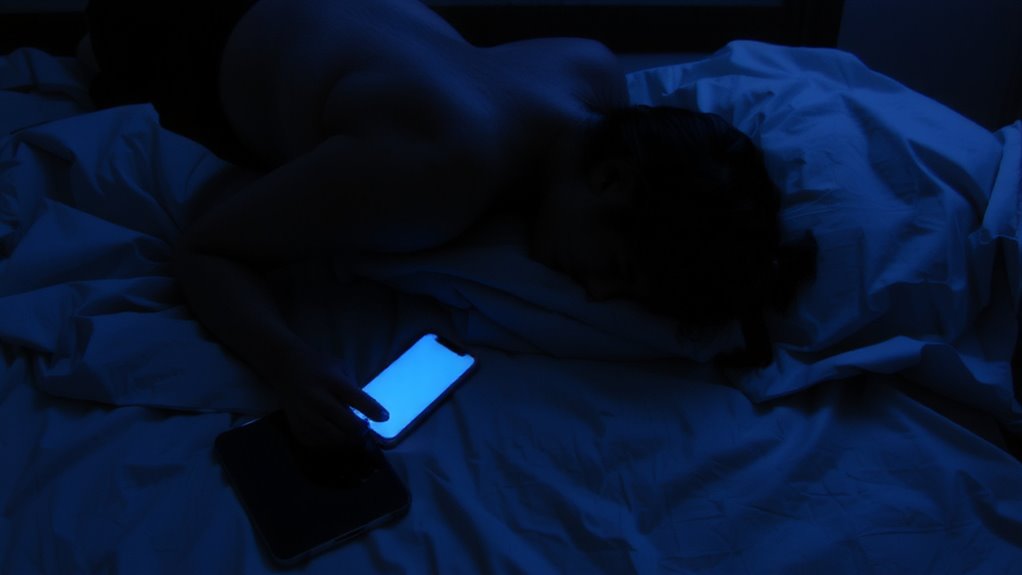
Why does it feel so hard to wind down after staring at a screen all night? That’s because blue light tricks your brain into thinking it’s still daytime, suppressing melatonin and delaying sleep onset. This constant exposure fuels cognitive arousal, keeping your mind active when it should be slowing down. You’re left alert, restless, or even mentally fatigued without the relief of deep rest. Over time, this pattern can contribute to sleep disorders like insomnia. Limiting screen use one to two hours before bed reduces these effects. Try apps that filter blue light or switch to warm, dim lighting. If needed, consider sleep aids like melatonin supplements, but check with a doctor first. Many come with clear dosing guidelines and short-term use recommendations. Some offer money-back trials. Improving sleep hygiene now supports both mental recovery and long-term spinal health.
How a Wired Brain Ruins Your Sleep Posture
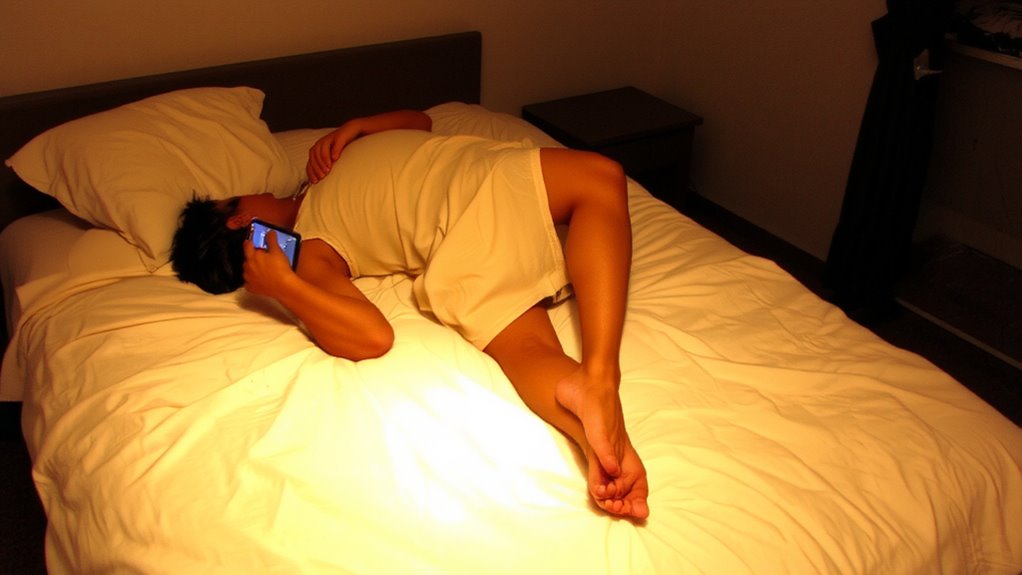
Your brain stays locked in high gear when you’re glued to screens late into the night, and that overstimulation doesn’t just delay sleep-it reshapes how you actually lie in bed. Instead of settling into a relaxed posture, your body remains tense, responding to a mind that hasn’t switched off. This mind body disconnect means your muscles don’t fully release, even when you’re technically asleep. Neural fatigue sets in, not from physical exertion but from mental strain, reducing your nervous system’s ability to regulate posture. Over time, this misalignment can lead to discomfort and disrupted rest. Choosing screen-free wind-down periods supports better neural recovery. Sleep aids like weighted blankets or supportive pillows may help, especially if trials indicate improved comfort. Look for options with clear return policies. Adjusting habits now can reduce long-term strain, supporting both spinal health and sleep quality.
How Screens Tense Your Neck and Back at Night
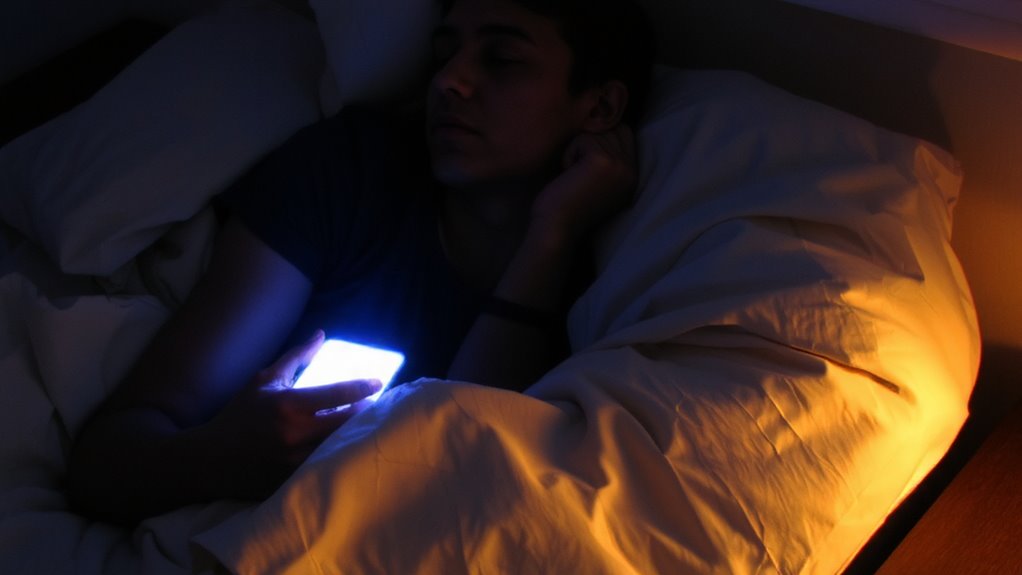
While you’re scrolling before bed, your neck and back are already paying the price, often holding tension long after you put the device down. The blue light from screens doesn’t just disrupt sleep cycles-it encourages poor digital posture, like forward head tilt and rounded shoulders. This position increases muscle strain, especially in the upper back and cervical spine. Over time, sustained poor alignment creates nerve tension, reducing mobility and comfort at night. Even after you power off, the physical stress lingers, affecting your body’s ability to relax fully. Adjusting screen height to eye level and using devices less than an hour before bed may reduce strain. Consider supportive pillows or ergonomic sleep aids that maintain natural spinal curves. These small changes can lessen tension, improve sleep posture, and support long-term spinal health. Look for products with trial periods to test comfort and effectiveness. For those seeking relief, choosing the right pillow can make a significant difference-exploring the best pillows for neck pain may help identify options designed to promote proper alignment and reduce discomfort.
How Mental Stress Pulls Your Spine Out of Alignment
When stress builds up, your body often responds by tightening muscles without you even noticing, and over time that constant tension can shift your spine out of its natural alignment. You might not realize it, but emotional fatigue and cognitive strain keep your nervous system on edge, prompting your neck, shoulders, and back to stay tense, especially at night. This persistent muscle activity disrupts the spine’s ability to relax into proper alignment during sleep. Over time, misalignment can contribute to discomfort, reduced mobility, and poor sleep quality. Managing mental stress isn’t just about feeling calmer-it’s about protecting your physical structure. Consider sleep aids designed to support spinal posture, like contoured pillows or adjustable bases, and look for models with trial periods so you can test long-term comfort. Addressing mental load alongside physical support helps create conditions where real rest-and proper alignment-become possible.
6 Screen Habits to Quit Before Bed for Better Posture
Why do so many wake up with stiff necks and aching backs? Your screen habits before bed might be the culprit. Late-night blue light exposure tricks your brain into staying alert, disrupting sleep quality and encouraging poor sleeping positions that misalign your spine. To support better posture, consider your digital detox timing-aim to power down devices at least 60 minutes before bed. This small shift helps your mind and body relax naturally.
| Activity | Time Before Bed | Effect on Posture |
|---|---|---|
| Scrolling on phone | 0–30 min | Increases neck strain |
| Watching TV in bed | 0–15 min | Encourages slouching |
| Blue light exposure | <1 hour | Delays melatonin release |
| Digital detox timing | 60+ min | Promotes spinal alignment |
Adjusting screen use supports healthier sleep patterns and spinal health.
Set Up Your Bedroom to Support Spinal Alignment at Night
You’ve already taken steps to reduce screen time before bed, and that’s a smart move for both sleep and spinal health. Now, focus on your bedroom layout to maintain proper spinal alignment through the night. Choose ergonomic lighting that’s warm and indirect to signal your body it’s time to wind down-avoid harsh overheads. Position your bed so natural light doesn’t disrupt morning wake cycles. Mattress positioning matters: place it on a solid foundation to prevent sagging, which can distort spinal support. Make certain your pillow keeps your neck in line with your spine, whether you sleep on your side or back. Try adjustable bases for customizable alignment, many of which offer trial periods. Test different firmness levels, since support needs vary. A well-set space supports rest without strain. Consider models with lumbar support to enhance lower back alignment and reduce pressure points.
On a final note
Your brain stays overstimulated when you use screens late, affecting how your body relaxes into proper spinal alignment at night. Tense muscles, poor posture, and disrupted sleep patterns often follow. Switching off devices earlier helps your nervous system wind down naturally. Consider adjusting screen habits or trying supportive sleep aids with trial periods, like ergonomic pillows. Small changes can improve comfort and alignment without major cost or risk.