The Effects of Blue Light Filtering Glasses for Kids Before Bed
Blue light from screens can delay your child’s sleep by suppressing melatonin, but wearing filtering glasses 1–2 hours before bed helps block the most disruptive wavelengths. These glasses use yellow or amber-tinted polycarbonate lenses to reduce exposure, often including UV protection and durable, lightweight frames for comfort. While they may improve sleep onset and consistency, results vary and they work best alongside healthy sleep habits. Many brands offer trial periods, so you can test effectiveness-knowing more about usage and alternatives could further guide your choice.
Notable Insights
- Blue light glasses filter wavelengths that disrupt melatonin, helping regulate children’s sleep onset.
- Wearing them 1–2 hours before bed may support natural circadian rhythm and improve sleep quality.
- Amber or red-tinted lenses are more effective at blocking blue light than clear or yellow-tinted ones.
- They work best when combined with consistent sleep hygiene and reduced evening screen time.
- Evidence shows potential benefits, but long-term effects on children’s sleep and vision remain under study.
How Blue Light Affects Kids’ Sleep
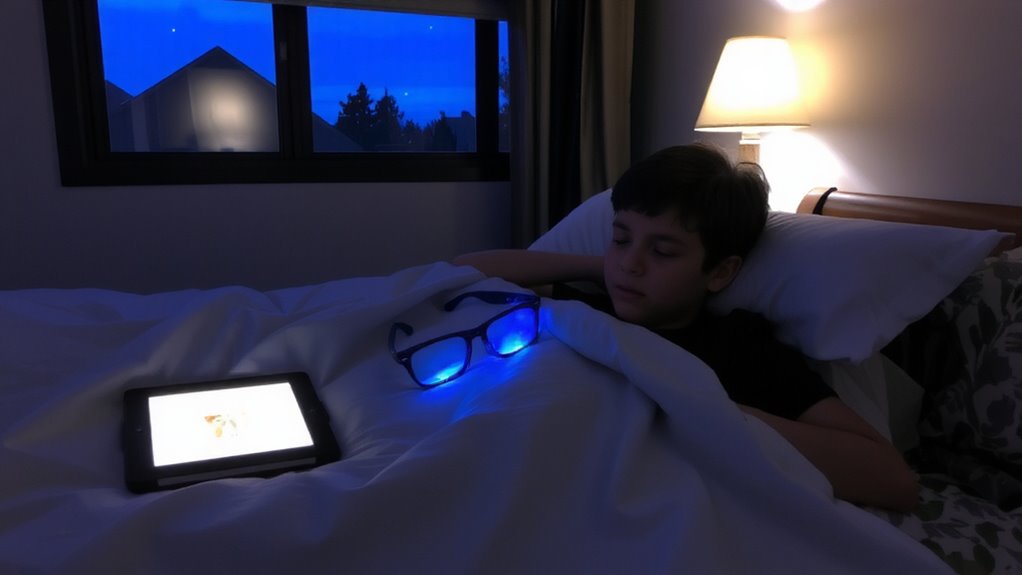
Why does your child struggle to fall asleep after screen time? The answer often lies in blue light exposure, which disrupts their circadian rhythm-the body’s natural sleep-wake cycle. When your child uses screens at night, the blue light emitted can trigger melatonin suppression, delaying the signal for sleep. This shift makes it harder to fall asleep and can reduce sleep quality. Over time, inconsistent sleep patterns may contribute to sleep disorders. You don’t need a drastic change to see improvement. Limiting screen use one hour before bed helps, but if that’s not realistic, consider alternatives backed by light exposure science. Devices that emit less blue light or screen filters are practical starting points. These options support natural melatonin production and circadian alignment without requiring new gear. Monitoring sleep responses over a week can show noticeable changes. Small adjustments often yield meaningful improvements.
How Blue Light Glasses Work
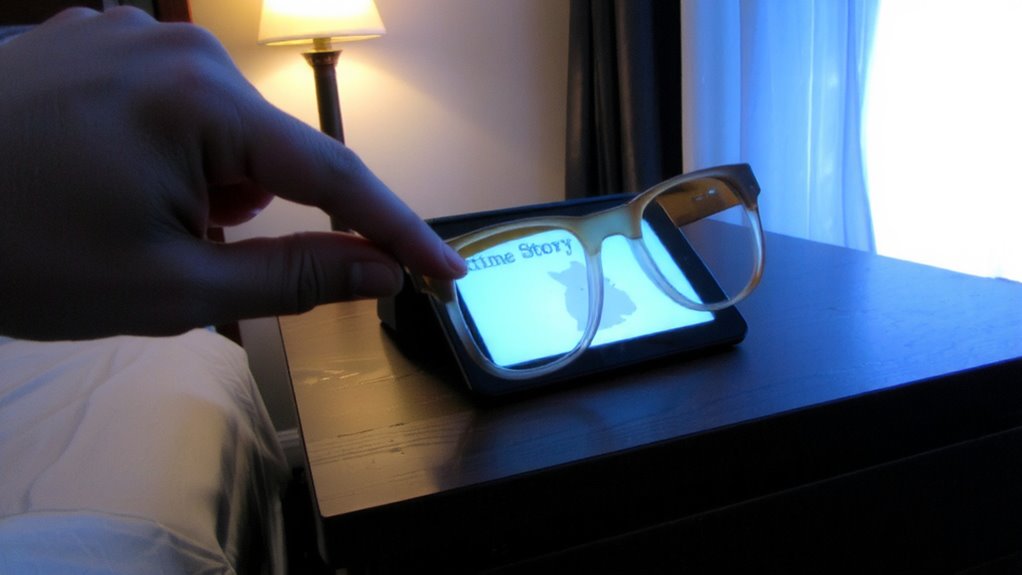
You’ve likely noticed how screen time before bed affects your child’s ability to wind down, and if limiting use isn’t realistic, blue light filtering glasses offer a science-backed way to support healthier sleep. These glasses use specialized lens technology to selectively block certain light wavelengths, especially in the blue range (400–490 nm), which can interfere with melatonin. By filtering this light, the lenses help maintain the body’s natural sleep-wake rhythm.
| Feature | Purpose | Example Material |
|---|---|---|
| Yellow-tinted lens | Reduces blue light exposure | Polycarbonate |
| Lightweight frame | Comfort for kids | Flexible plastic |
| Scratch-resistant | Durability with daily use | Coated acrylic |
| UV protection | Guards against sunlight | Integrated into lenses |
Most brands offer a trial period, making it easy to test comfort and fit.
Do Blue Light Glasses Help Kids Sleep Better?
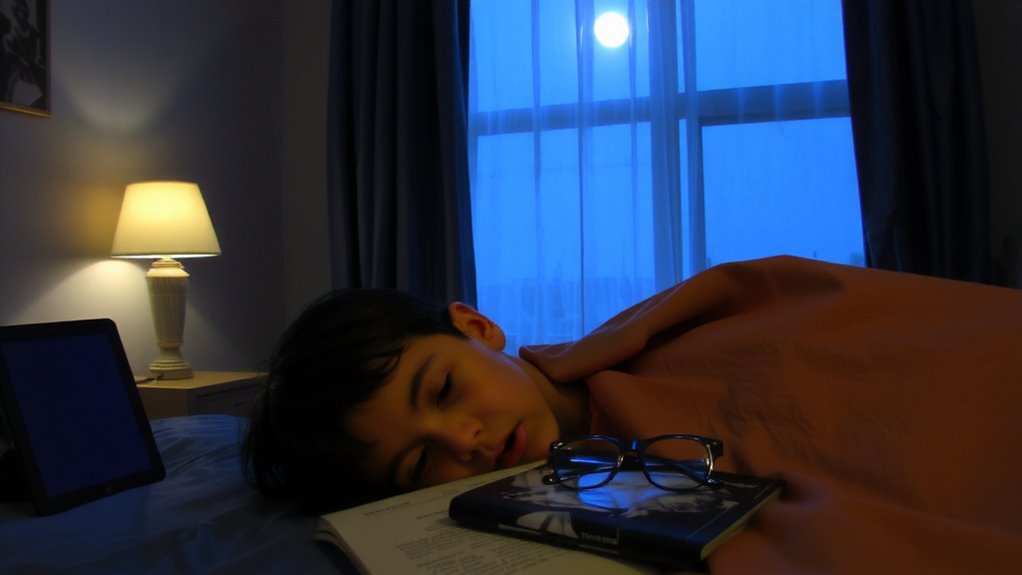
Could something as simple as a pair of glasses make a real difference in how well your child sleeps? Research suggests blue light glasses may help reduce sleep latency, letting kids fall asleep faster by supporting natural melatonin release. When worn 1–2 hours before bedtime, they can create conditions similar to low-light environments, signaling the brain it’s time to wind down. Some studies show improved dream duration, indicating more time spent in restorative sleep cycles. While results vary, many parents report noticeable improvements in bedtime routines. Look for glasses with amber or red-tinted lenses, as they block more blue light than clear versions. Most brands offer durable frames suited for kids, with some providing trial periods or warranties. Though not a cure for sleep disorders, these glasses can be a practical part of a broader sleep-friendly routine.
Real Benefits (and Limits) of Kids’ Blue Light Glasses
While blue light glasses can support healthier sleep patterns in children, they’re not a standalone fix for underlying sleep issues. You might notice improved sleep onset and better consistency in bedtime routines, especially when screens are used at night. These glasses help reduce blue light exposure, which can interfere with melatonin, offering mild eye strain relief during extended digital use. However, researchers are still studying the long term effects on vision development and sleep regulation in kids. They work best alongside good sleep hygiene-consistent bedtimes, screen curfews, and dimmed evening lighting. Some brands offer trial periods or durable, flexible frames ideal for active kids, helping you test comfort and effectiveness. Don’t expect dramatic changes overnight. Results vary, and benefits depend on usage and individual sensitivity. Consider them a supportive tool, not a cure-all part of a broader approach to healthy sleep habits.
How to Choose Blue Light Glasses for Children
A good pair of blue light glasses for children starts with the right fit and lens quality. You’ll want strong frame durability since kids can be rough, and excellent lens clarity to avoid eye strain during use. Look for flexible hinges and impact-resistant materials like polycarbonate. Guarantee the lenses filter enough blue light without distorting colors too much. Below are key features to compare when choosing:
| Feature | Why It Matters |
|---|---|
| Frame Durability | Holds up to daily wear and play |
| Lens Clarity | Ensures sharp, comfortable vision |
| Lightweight Design | Helps kids keep them on willingly |
| Nose Pads | Prevents slipping during screen time |
| Trial Period | Lets you test comfort and effectiveness |
Always pick a pair that allows returns or includes a warranty for peace of mind.
When Should Kids Wear Blue Light Glasses at Night?
Since screen use often extends into the evening, it’s practical to have your child wear blue light glasses during the last 1–2 hours before bedtime. This timing aligns well with healthy bedtime habits and supports natural melatonin release. If your child follows consistent screen routines, such as watching videos or gaming after homework, putting the glasses on during that window can reduce blue light exposure without major lifestyle changes. Look for lightweight, durable frames with lenses that filter at least 90% of blue light in the 400–450 nm range. Many brands offer adjustable nose pads and impact-resistant materials, which improve comfort for long-term use. Try models with a trial period or warranty, so you can test effectiveness. Wearing them too early might disrupt daytime alertness, so stick to the pre-sleep window. This small addition to nightly routines can make a meaningful difference in sleep quality over time.
Other Proven Ways to Improve Kids’ Sleep
What if better sleep for your child starts long before they put on blue light glasses? Strong sleep routines and consistent bedtime habits play a major role in improving sleep quality. Set a regular bedtime and wake-up time, even on weekends, to regulate your child’s internal clock. Limit screen time at least an hour before bed, since screens emit stimulating blue light that can delay sleep onset. Create a calming pre-sleep routine-like reading or light stretching-to signal the body it’s time to wind down. Keep the bedroom cool, dark, and quiet, optimizing the sleep environment. While sleep aids like blue light glasses may help, they work best alongside healthy habits. Studies show consistent routines reduce nighttime awakenings and improve sleep duration. Trial small changes first, observe the results, and adjust as needed-there’s no one-size-fits-all fix, but steady habits offer lasting benefits. Using a bedtime aroma diffuser can further enhance relaxation by dispersing calming scents like lavender into the air.
On a final note
You can consider blue light glasses if your child uses screens before bed, as they may help reduce sleep disruptions. Look for well-constructed frames with clear, amber-tinted lenses that block 90–95% of blue light. For best results, have your child wear them 1–2 hours before bedtime. While they’re not a fix for poor sleep habits, they work best alongside consistent routines, dim lighting, and limited screen time. Try a pair with a return policy to test their effect.