How to Clean Memory Foam Mattress Pads Without Water Damage
Blot spills quickly with a dry cloth and use a dab of mild detergent with minimal water to spot clean. Never soak the foam, since trapped moisture can cause mold and break down the material. Remove odors by sprinkling baking soda, letting it sit overnight, then vacuuming. Dry thoroughly in a well-ventilated area, using fans if needed, and allow 24 to 48 hours before use. You’ll find longer-lasting protection and better performance by maintaining these steps regularly.
Notable Insights
- Blot spills immediately with a dry cloth to absorb moisture without forcing liquid deeper into the foam.
- Use a minimal amount of mild detergent with barely damp cloth to spot clean stains gently.
- Never soak the memory foam, as trapped water leads to mold, mildew, and material breakdown.
- Deodorize with baking soda left overnight, then vacuum thoroughly to avoid adding moisture.
- Dry completely for 24–48 hours in a well-ventilated area, using fans and avoiding heat sources.
How to Spot Clean a Memory Foam Mattress Pad
If you notice a spill or stain on your memory foam mattress pad, spot cleaning right away can prevent lasting damage and keep the material functioning as intended. You should address spill accidents immediately to avoid moisture penetrating deep into the foam layers. Start by blotting the area gently with a clean, dry cloth-don’t rub, as that can push liquid deeper. For surface stains, mix a small amount of mild detergent with water and dab it lightly onto the spot. Use minimal moisture, ensuring the foam won’t stay damp. Then, blot again with a damp cloth to rinse, followed by a dry towel to absorb excess moisture. Let the area air-dry completely before using the pad again. This method preserves the foam’s supportive structure, maintaining comfort and longevity without risking mold or material breakdown. Proper care supports restful sleep and protects your investment.
Remove Odors Without Wetting the Foam
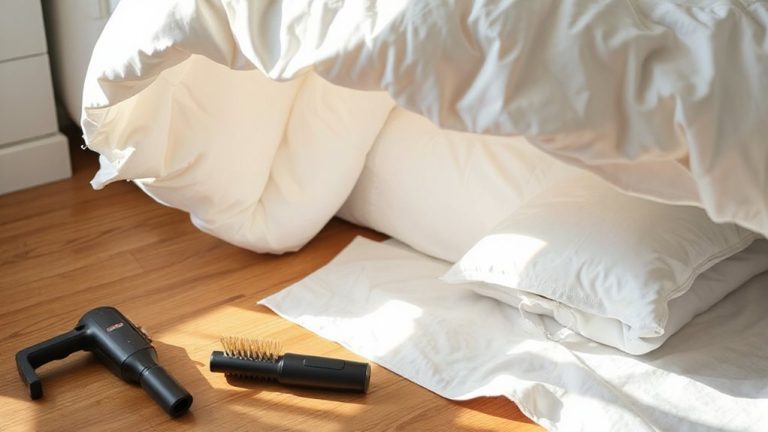
You’ve handled spills quickly and kept the foam clean with minimal moisture, but odors can still develop over time, even without visible stains. To refresh the pad safely, sprinkle baking soda evenly across the surface. Let it sit for at least four hours, or overnight if possible, so it can absorb trapped odors from body oils and sweat. Baking soda is gentle on the foam’s structure and won’t compromise its integrity when used dry. Afterward, vacuum thoroughly to remove all residue. For added freshness, place the mattress pad in indirect sunlight for a few hours, as sunlight naturally neutralizes odor-causing bacteria. Avoid direct, prolonged exposure to prevent material breakdown. This method maintains performance and comfort without introducing excess moisture. It’s a reliable, low-risk way to extend the pad’s life and support a clean sleep environment.
Dry Your Mattress Pad Safely and Quickly
While moisture is necessary for deeper cleaning, getting your memory foam mattress pad dry is just as critical to its longevity and performance. You’ll want to guarantee strong air circulation by placing the pad in a well-ventilated area, ideally upright or propped to allow airflow on all sides. Avoid direct sunlight or heat sources, as they can degrade the foam over time. Use fans to speed up drying, but don’t rush it-proper time management means allowing 24 to 48 hours for complete drying to prevent mildew. Turning the pad occasionally helps moisture escape evenly. Memory foam traps humidity, so skipping this step risks odor and reduced support. A fully dried pad maintains its structure and comfort, supporting healthy sleep patterns. Always check manufacturer guidelines for care, as some offer trial periods based on proper maintenance. With careful drying, your pad stays fresh, supportive, and ready to aid restful sleep.
Why You Should Never Soak Memory Foam
Proper drying is only effective if the foam wasn’t oversaturated to begin with, and that’s why soaking memory foam is a mistake you’ll want to avoid. Memory foam is designed to contour your body, not absorb large amounts of water. When you soak it, the material traps moisture inside, leading to excessive water absorption that’s hard to remove completely. This trapped moisture doesn’t just prolong drying-it encourages mold, mildew, and odors. Over time, repeated soaking weakens the foam’s structure, causing foam degradation that reduces support and comfort. A degraded pad won’t respond well to pressure, which can affect spinal alignment and sleep quality. Unlike materials built for high moisture exposure, memory foam lacks quick-drying properties. Even with thorough air circulation, soaked foam may retain dampness deep in its cells. For lasting performance and hygiene, cleaning methods that minimize water exposure are your best choice.
Habits to Keep Your Pad Fresh Longer
Since memory foam pads thrive when kept dry and clean, adopting simple daily habits can greatly extend their freshness and performance. You can maintain your pad by ensuring consistent air circulation-leave your bed unmade for a short time each morning so moisture evaporates. This helps prevent mustiness and preserves foam integrity. Use a breathable, moisture-wicking mattress protector to guard against spills and sweat without trapping heat. Perform regular flipping every three to six months to promote even wear and prolong support, even though memory foam doesn’t need flipping like innerspring mattresses-it still benefits from rotated use. Avoid placing heavy objects on the pad when stored, and keep it in a well-ventilated area. These steps support long-term hygiene and structure, aiding restful sleep and reducing irritation that might worsen sleep disorders. Most brands recommend these practices to uphold warranty standards during extended use. For added comfort and protection, consider pairing your pad with one of the best mattress pads on Amazon.
On a final note
Clean your memory foam pad carefully to avoid water damage, using spot treatment and odor absorbers like baking soda. Always air dry fully-never use heat or moisture-heavy methods. Since memory foam retains liquids, skipping soaking preserves its structure and support. Rotate the pad monthly and use a protective cover to extend its life. Most come with trial periods or warranties, so test comfort over a few weeks. Good care keeps your sleep surface hygienic and resilient, supporting better rest.