Lemon Balm for GERD Sleep Issues: Dosage & Safety Guide
You can use lemon balm to improve sleep while gently soothing your digestion, which matters if you have GERD. It calms the nervous system and may reduce nighttime stomach discomfort without increasing acid. Taken as a tea or capsule about 30–60 minutes before bed, 300–600 mg is typical. Unlike some sleep herbs, it’s less likely to relax the esophageal sphincter or cause issues. You’ll find more practical details ahead.
Notable Insights
- Lemon balm calms the nervous system, helping reduce insomnia linked to GERD-related stress.
- It supports digestive relaxation without increasing stomach acid, making it safe for GERD sufferers.
- Taking 300–600 mg of lemon balm extract before bed may improve sleep quality and reduce nighttime reflux.
- Unlike valerian, lemon balm doesn’t relax the lower esophageal sphincter, lowering risk of reflux worsening.
- Lemon balm is well tolerated, but start with a low dose to assess drowsiness or stomach sensitivity.
Why Lemon Balm Eases GERD and Improves Sleep
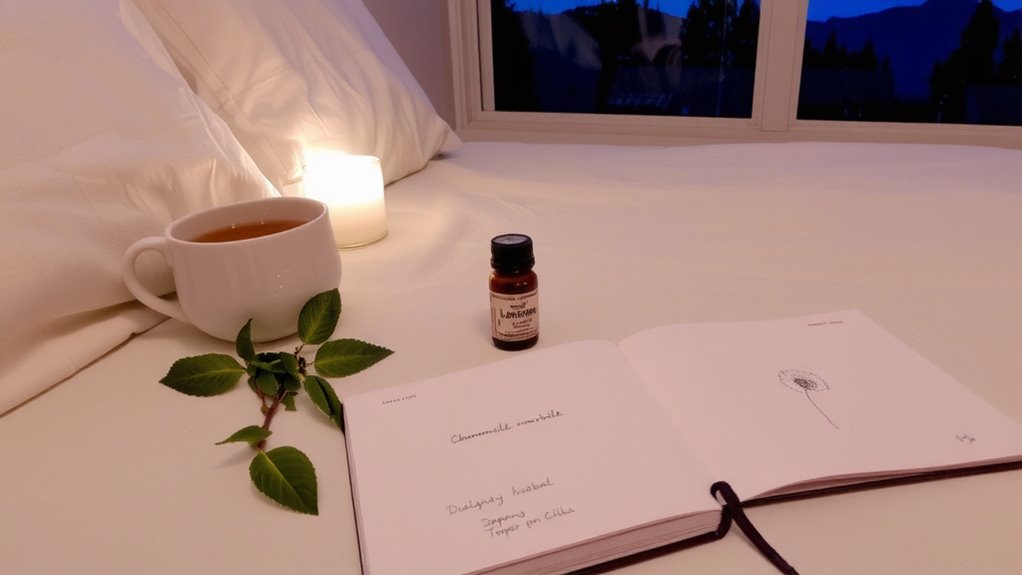
While you’re dealing with both GERD and sleep issues, lemon balm might help because it works on two fronts-calming the nervous system and soothing digestive discomfort. You’ll find it supports acid reduction by gently regulating stomach function, which may lessen nighttime reflux episodes. Its muscle relaxation properties extend to the digestive tract, easing spasms that contribute to discomfort and sleep disruption. Since stress can worsen both GERD and insomnia, lemon balm’s mild anxiolytic effects may help you unwind without drowsiness or grogginess. It’s typically taken as a tea, tincture, or capsule about 30 to 60 minutes before bed. Most clinical trials use doses between 300–600 mg, with few reported side effects. Though not a cure, it’s a gentle option worth trying for a few weeks. If symptoms persist, consult your doctor-but many find it a helpful part of a broader sleep and digestive management plan.
How Lemon Balm Soothes Digestion Without Worsening Reflux

Because lemon balm calms the digestive tract without increasing stomach acid, you can use it to ease bloating and spasms without raising the risk of reflux. Its natural compounds support digestive calming while helping maintain acid balance, making it a gentle option for sensitive stomachs. Unlike some herbs that may irritate, lemon balm works subtly to relieve discomfort without triggering backflow of stomach contents.
| Benefit | How It Helps | Consideration |
|---|---|---|
| Digestive calming | Reduces gut spasms and tension | Best for mild, occasional symptoms |
| Acid balance support | Doesn’t stimulate excess acid | Suitable when acid levels are normal |
| Low reflux risk | Relaxes digestion safely | Monitor personal tolerance |
This makes lemon balm a reasonable choice to contemplate if you’re seeking overnight comfort without worsening GERD.
How to Use Lemon Balm for GERD and Better Sleep

You’ve seen how lemon balm supports digestion without aggravating reflux, and now you can apply that benefit toward restful sleep, especially when GERD disrupts your nights. To use it effectively, consider infusion methods like herbal tea or tinctures-tea is gentle and soothing, while tinctures offer quicker absorption. Steep 1 to 2 teaspoons of dried lemon balm in hot water for 10 minutes before bed. Most dosage recommendations suggest 300 to 600 mg of standardized extract daily, taken once in the evening. Start low to assess tolerance, especially if you’re new to herbal support. Capsules provide consistent dosage but may delay effects. You might need a few nights to notice improvements, so give it a fair trial. No serious side effects are common, but mild drowsiness can occur. Always check with your doctor if you’re on medications.
Lemon Balm vs. Other Sleep Herbs for GERD
How do your sleep remedies stack up when acid reflux complicates rest? Lemon balm offers gentle support, especially when compared to stronger herbs like valerian. In a valerian comparison, lemon balm is less sedating but may be safer for GERD patients, since valerian can sometimes relax the lower esophageal sphincter and worsen reflux. Unlike passionflower, which has a calming effect but risks a stronger passionflower interaction with medications, lemon balm typically has fewer concerns when used as directed. All three herbs promote relaxation, but lemon balm stands out for its stomach-soothing properties. It’s a practical option when nighttime heartburn and poor sleep occur together. You might try it first before combining herbs. If one remedy doesn’t work, the next trial could involve a blend-but always monitor your reflux symptoms closely.
Side Effects and Safety: What GERD Patients Should Know
Lemon balm is generally well tolerated, especially when used short-term, and most people find it mild enough to try without major concern. You might experience mild drowsiness or an upset stomach, but serious side effects are rare. Still, you should watch for drug interactions-especially if you’re taking sedatives, thyroid meds, or acid reflux treatments-since lemon balm can affect how your body processes certain drugs. There’s limited data on long term safety, so using it daily for months isn’t well studied. If you’re pregnant, nursing, or managing other health conditions, talk to your doctor first. Starting with a low dose lets you assess your response without overwhelm. While generally safe, it’s smart to treat lemon balm like any sleep aid: use it thoughtfully, track symptoms, and consider breaks to assess your need.
On a final note
You can try lemon balm to support sleep and digestion if you have GERD, as it’s gentle and unlikely to worsen reflux. It may help calm stomach muscles and reduce nighttime discomfort. Unlike stronger sedatives, it’s mild, so it won’t leave you groggy. Always start with a low dose, check with your doctor, and monitor how your body responds before making it a habit.