Glymphatic System & Sleep: How Deep Sleep Clears Brain Toxins
Your brain uses sleep to activate the glymphatic system, flushing out toxins like beta-amyloid and reducing neuroinflammation. This cleanup peaks during deep sleep, when brain cells shrink and allow cerebrospinal fluid to flow more freely. Poor or shortened sleep disrupts this process, raising risks for cognitive decline and mood issues. Quality, consistent rest supports long-term brain health-something simple changes in routine can enhance, with further benefits possible through targeted habits.
Notable Insights
- The glymphatic system clears brain waste, including neuroinflammatory byproducts, primarily during deep sleep.
- Deep sleep enhances cerebrospinal fluid flow, facilitating efficient removal of toxins like beta-amyloid and inflammatory markers.
- Glymphatic activity peaks during slow-wave sleep due to synchronized neural oscillations and increased interstitial space.
- Chronic sleep disruption impairs waste clearance, leading to accumulated neuroinflammation and higher neurodegenerative risk.
- Lifestyle factors such as sufficient sleep duration, hydration, and cool temperatures support optimal glymphatic function and reduce neuroinflammation.
What Is the Glymphatic System and How Does It Clean Your Brain?
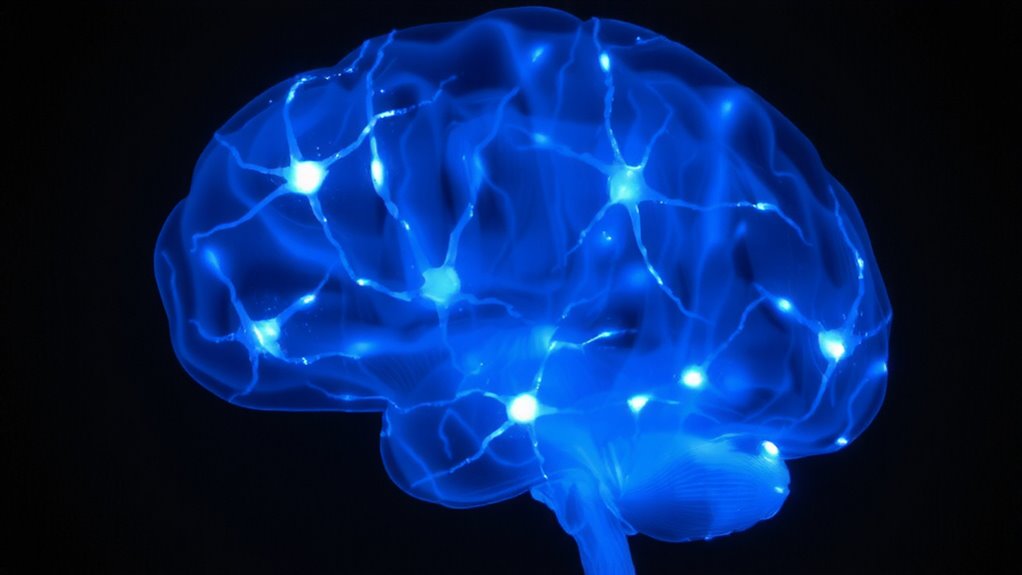
Ever wonder how your brain stays clean while you’re asleep? Your glymphatic system works like a cleanup crew, activating mainly during rest. It relies on cerebrospinal flow to flush out toxins that build up during waking hours. This system uses a network of channels formed by glial cells, helping direct fluid through brain tissue. The result? Efficient waste filtration that supports long-term brain health. You don’t feel it happening, but it’s essential for clearing proteins linked to neurodegenerative diseases. Sleep position, duration, and quality all influence how well this process runs. While research continues, evidence suggests side sleeping may improve cerebrospinal flow compared to back or stomach positions. If you struggle with sleep, consider evaluating sleep aids or disorders with a professional-effective treatment can enhance glymphatic performance. You’ll support your brain’s natural maintenance cycle without drastic changes, just consistent, informed choices.
Why Deep Sleep Is Essential for Brain Detox?
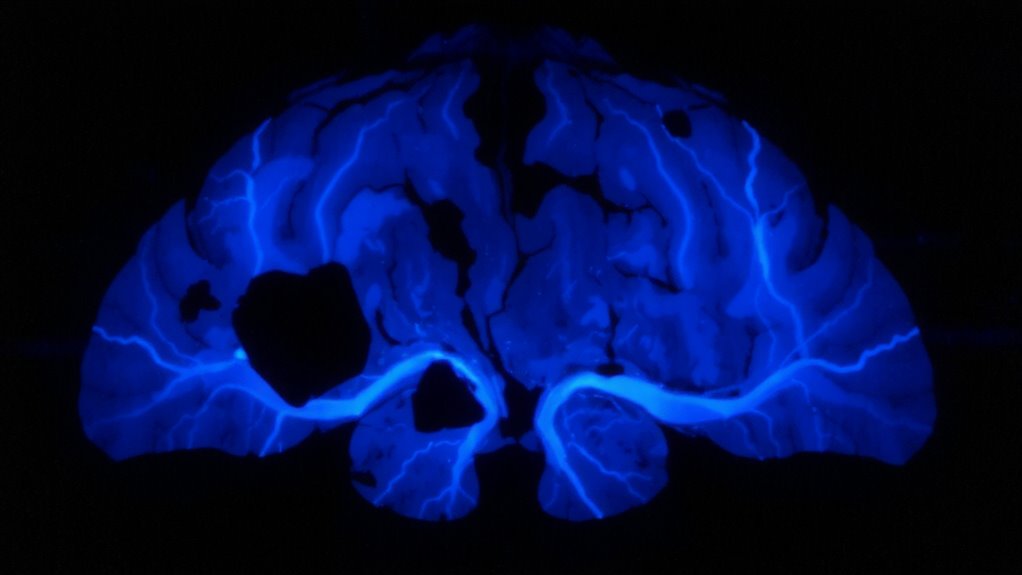
Why does your brain detox more efficiently at night than during the day? Because during deep sleep, your brain waves slow into rhythmic neural oscillations, creating ideal conditions for the glymphatic system to clear toxins. Your brain’s waste removal works best when you’re in this restorative phase, where cell waste like beta-amyloid is flushed out more effectively.
| Sleep Stage | Glymphatic Activity |
|---|---|
| Awake | Low |
| Light Sleep | Moderate |
| Deep Sleep | High |
| REM | Moderate |
| All-Night | Cumulative benefit |
Prioritizing uninterrupted sleep supports consistent neural oscillations and sustained brain waves. If you struggle with sleep disorders, consider sleep aids backed by clinical trials and offering a solid warranty. Consistent, high-quality sleep enhances brain detox-simple changes can make a measurable difference.
Which Sleep Stages Clear Toxins Most Effectively?
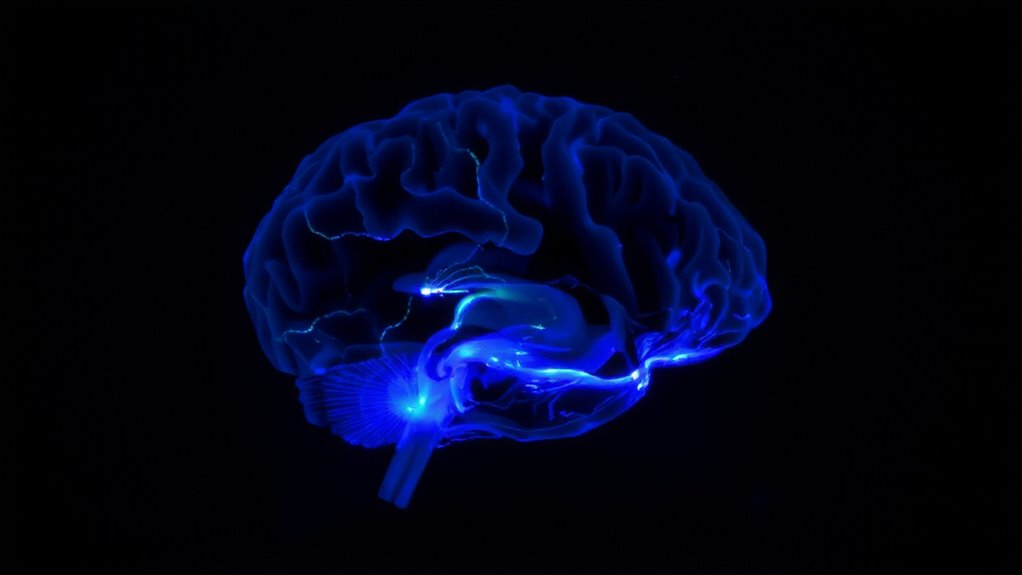
Your brain’s ability to clear waste depends heavily on which sleep stage you’re in, and not all stages offer the same level of cleanup. Deep sleep, marked by strong slow wave synchronization, is when your glymphatic system works hardest, flushing out toxins most efficiently. During this phase, brain cells shrink slightly, creating more space for cerebrospinal fluid to sweep away metabolic waste. While REM sleep supports brain function, REM efficiency doesn’t contribute as directly to physical detox. Still, a balanced sleep cycle matters-skipping REM may disrupt overall restoration. If you use sleep aids or treat sleep disorders, aim for solutions that preserve both deep sleep and REM. Devices tracking sleep stages can help identify imbalances. Some therapies improve slow wave synchronization, potentially boosting nightly cleanup. Focus on quality, not just quantity, since effective detox relies on hitting sufficient deep sleep consistently.
What Happens When Brain Waste Builds Up?
If waste isn’t cleared efficiently during deep sleep, it can begin to accumulate in the brain, increasing the risk for long-term cognitive issues. You might not notice it at first, but over time, this buildup can contribute to cognitive decline, making it harder to focus, remember, or think clearly. Poor sleep quality or duration means your glymphatic system isn’t flushing toxins as it should, which researchers link to increased inflammation and neural damage. This same process also raises your chances of developing mood disorders, like anxiety or depression, since brain chemistry becomes unbalanced. While occasional poor sleep won’t cause immediate harm, chronic disruption does have measurable effects. Understanding this helps you make informed choices about sleep habits, treatment for sleep disorders, or use of sleep aids-prioritizing solutions with strong evidence, reasonable risk, and clear benefits.
Daily Habits to Boost Glymphatic Function
How can you support your brain’s nightly cleanup crew? You can start by optimizing daily habits that boost glymphatic function. Prioritize consistent sleep-this system works best during deep, uninterrupted rest. Aim for seven to nine hours nightly, and address sleep disorders like apnea early, as they disrupt flow. Hydration timing matters: drinking water evenly throughout the day supports fluid balance, but avoid large amounts right before bed to prevent awakenings. Cold exposure, like cool showers or lowering your bedroom temperature, may stimulate lymphatic activity and improve sleep quality. Keep your bedroom cool, around 65°F, to align with your body’s natural drop in temperature. These habits don’t require drastic changes. Over time, they work together to create better conditions for brain waste clearance each night. Try adjusting one at a time to see what fits your routine.
Can You Enhance Brain Cleanup While Awake?
Could brain waste clearance happen even while you’re awake? While the glymphatic system works best during deep sleep, you can support it while awake through mindful habits. Physical exercise boosts circulation and may help brain fluid flow, aiding waste removal. Even moderate daily activity, like brisk walking, shows promise in promoting this process. Mindfulness meditation appears to reduce stress-related inflammation, potentially easing the brain’s cleanup workload. Though neither replaces quality sleep, both practices complement nightly glymphatic activity. If you struggle with sleep, addressing disorders like apnea is critical-untreated issues may impair brain clearance over time. Sleep aids might help some individuals maintain consistent sleep patterns, but their long-term impact on glymphatic function isn’t fully known. Consider discussing options with a healthcare provider. Combining smart daytime habits with solid sleep hygiene offers a practical approach to long-term brain health.
On a final note
You need deep sleep because it powers the glymphatic system, which clears brain waste like tau and amyloid-beta. During slow-wave sleep, brain fluid flow increases, boosting toxin removal. Poor sleep disrupts this, possibly raising neuroinflammation risks. If you struggle with sleep, try consistent schedules and limit screens-small changes help. Consider sleep aids only after consulting a doctor, and weigh benefits against side effects. Rest matters, and your brain’s nightly cleanup depends on it.