How Innerspring Mattress Covers Influence Skin-Friendly Sleep
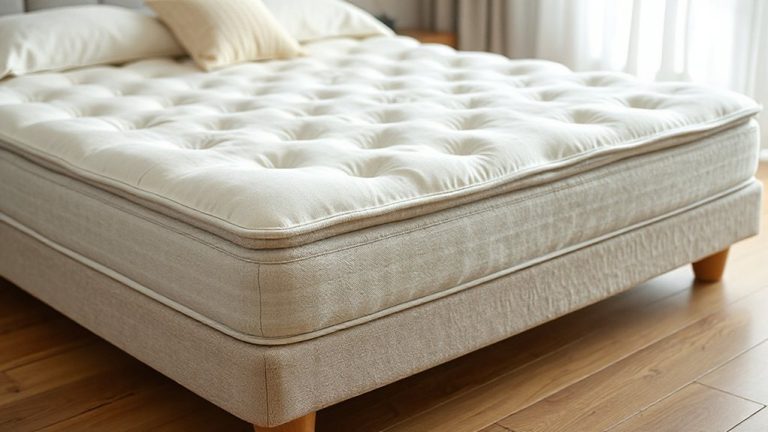
Your innerspring mattress cover affects your skin by controlling softness, moisture, and airflow. Coarse fibers can irritate sensitive skin, while high-grade, breathable fabrics reduce friction and wicking keep you dry. Poor ventilation traps heat and sweat, raising irritation risks, especially if you have eczema. Hypoallergenic, tightly woven covers help block dust mites and support better hygiene. Washable designs and cooling performance matter too-many quality options include trial periods to test comfort. Choosing the right cover balances these factors for healthier sleep over time. You’ll discover how small changes can make a noticeable difference.
Notable Insights
- Low-quality fibers in mattress covers can cause skin irritation due to friction and abrasion.
- Breathable, moisture-wicking fabrics help prevent dampness that aggravates eczema and bacterial growth.
- Tightly woven, hypoallergenic covers block dust mites and reduce allergy-related skin reactions.
- Effective cover breathability enhances airflow, regulating temperature and minimizing skin irritation.
- Replacing worn covers every 3–5 years maintains hygiene, softness, and skin-friendly sleep conditions.
How Your Innerspring Mattress Cover Impacts Skin Health
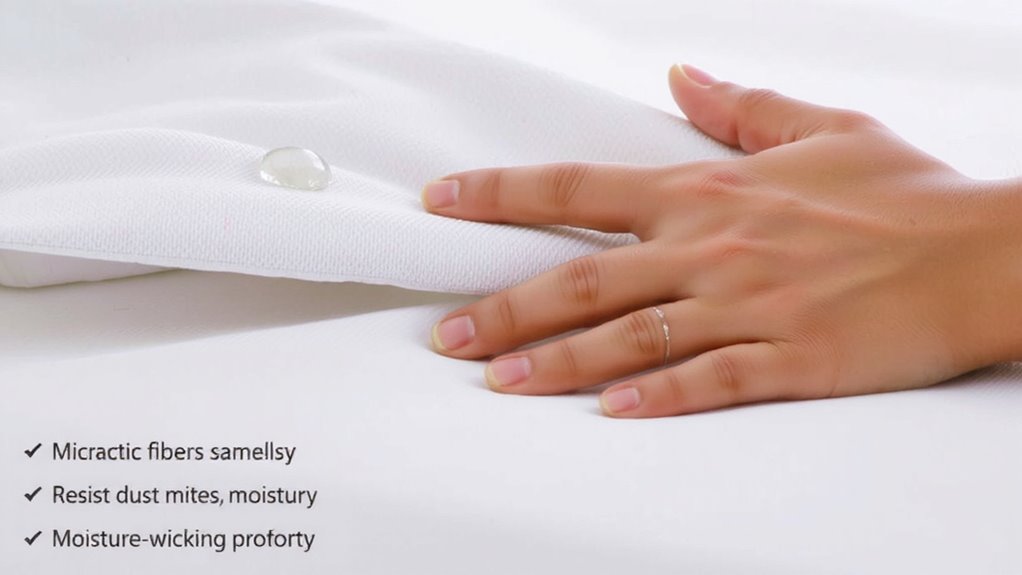
Ever wonder why your skin feels irritated after a good night’s sleep? Your innerspring mattress cover may be the cause. The fiber quality of the cover’s fabric directly affects how it interacts with your skin-low-quality fibers can be coarse and abrasive, increasing friction and irritation, especially for sensitive skin. Covers made with high-grade, breathable fibers reduce this risk by staying soft and smooth against your body. Moisture retention also plays a key role; materials that trap sweat create a damp environment that can aggravate conditions like eczema or lead to bacterial growth. Better covers use fabrics with balanced moisture-wicking properties to keep your skin dry and comfortable. When shopping, check product specs on fiber type and breathability. Many brands offer trial periods, so test for comfort and skin response. A well-constructed cover supports healthier skin and improves overall sleep quality.
Could Your Mattress Cover Be Causing Nighttime Skin Irritation?
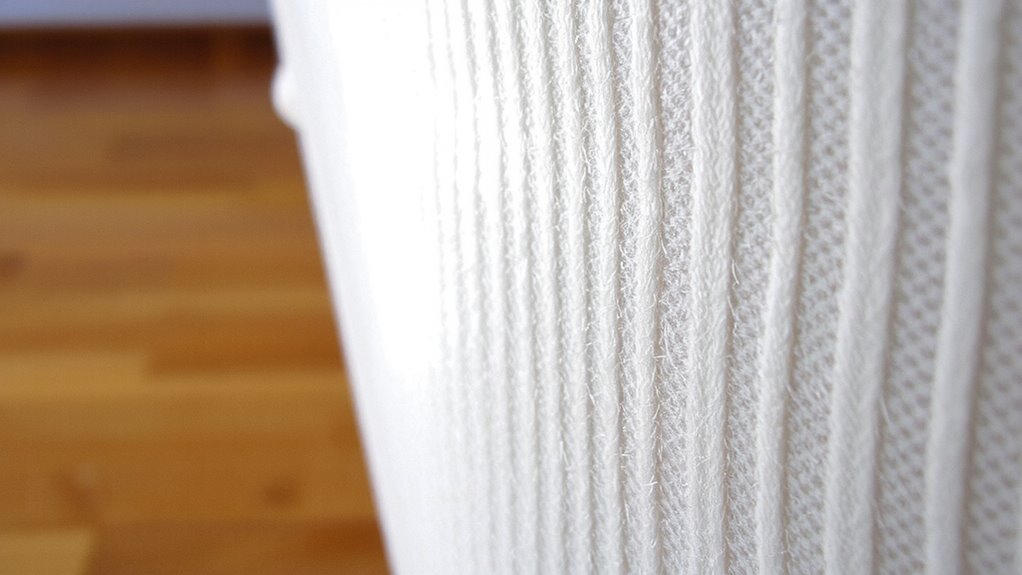
Could something as simple as your mattress cover be behind that persistent skin irritation you notice each morning? It’s possible. Many standard covers trap heat and moisture, creating a breeding ground for dust mites-tiny pests linked to itching and allergic reactions. If your cover lacks breathability or uses rough materials, the reduced fabric softness might also aggravate sensitive skin over time. Look for hypoallergenic, tightly woven fabrics that resist dust mites while offering gentle texture against your body. Some innerspring models include removable, washable covers, making upkeep easier and improving hygiene. Consider covers labeled antimicrobial or dermatologist-tested for added assurance. While no single feature guarantees comfort, combining dust mite resistance with high fabric softness improves your odds. Always check warranty terms-some brands offer trial periods, letting you test comfort and skin response risk-free. A small change in material could make a real difference to your sleep. For added protection, consider pairing your cover with best sheets to keep dust mites away.
The Role of Breathability and Temperature Control in Skin Comfort
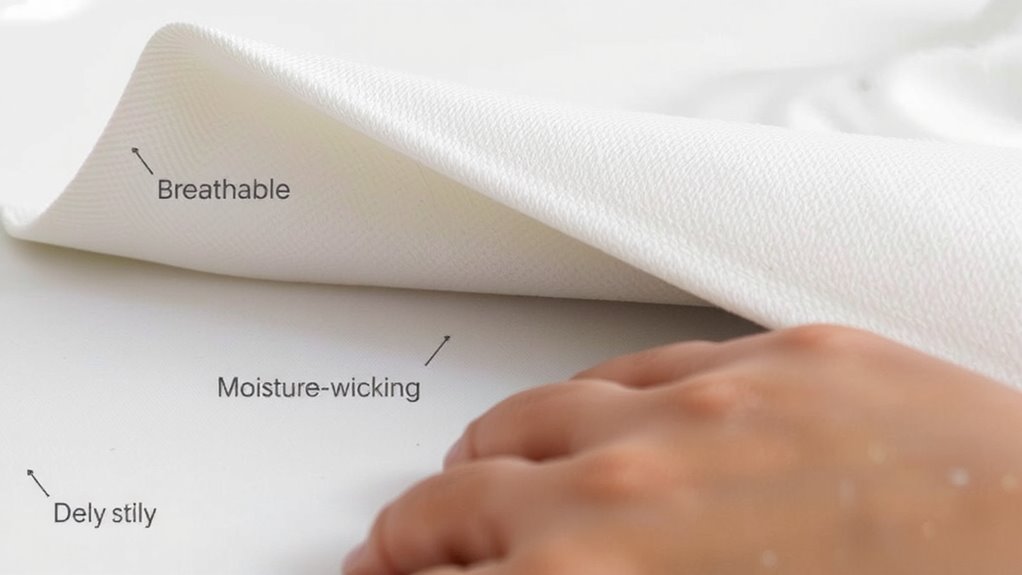
When you sleep, your body naturally releases heat and moisture, and if your mattress cover doesn’t allow proper airflow, that trapped warmth can increase skin irritation and discomfort by raising surface temperature and humidity. A cover with high airflow efficiency helps disperse excess heat and minimizes moisture retention, keeping your skin drier and more comfortable through the night. Materials like cotton, TENCEL™, or mesh blends are often used because they support breathability and wick moisture away. Innerspring mattresses already promote some air circulation due to their coil structure, but the cover plays a key role in enhancing or limiting that benefit. Choosing a cover designed for temperature regulation means you’re more likely to maintain a consistent sleep environment. Many brands offer trial periods, so you can test how well a cover manages breathability during actual use. Look for details on fabric composition and ventilation features when comparing options. For even greater comfort, consider pairing your cover with the best cooling sheets to enhance overall temperature control.
How Hypoallergenic Covers Prevent Allergic Skin Reactions
Though your skin might not show it right away, exposure to allergens in bedding can lead to subtle irritation or more noticeable reactions over time, especially if you’re sensitive. Hypoallergenic innerspring mattress covers help by blocking common triggers like dust mites, which thrive in warm, fibrous environments and can worsen skin conditions. These covers use tightly woven, certified fabrics that resist allergen buildup without relying on harsh treatments, reducing risks for those with chemical sensitivity. Many feature breathable, natural materials-like organic cotton or TENCEL™-that allow airflow while maintaining a protective barrier. Some brands offer trial periods and warranties, so you can assess comfort and skin response over time. Choosing a hypoallergenic cover isn’t a cure, but it’s a practical step to minimize irritants. It supports healthier sleep, especially if you notice itching, redness, or flare-ups linked to your bedding. For added protection, consider mattresses specifically designed for low allergen retention, such as the best mattresses for dust mite allergies.
When Should You Replace Your Innerspring Mattress Cover for Healthier Skin?
How often should you really swap out your innerspring mattress cover to keep your skin feeling its best? Experts suggest replacing it every 3 to 5 years, depending on wear and material quality. Over time, fabric degradation weakens the cover’s ability to protect both the mattress and your skin. As fibers break down, the surface becomes less breathable and more prone to trapping irritants. This degradation often increases moisture retention, creating a damp environment where bacteria and mold can grow-both of which may trigger skin issues. If you notice stiffness, thinning patches, or persistent odors, it’s likely time for a change. Choosing a new cover with moisture-wicking, breathable fabric can reduce these risks. Look for models with trial periods or warranties so you can test comfort and performance. Regular replacement supports cleaner sleep and helps maintain skin health over time.
On a final note
You might not think about it, but your innerspring mattress cover plays a key role in skin comfort. Breathable, hypoallergenic fabrics help regulate temperature and reduce irritation. Moisture-wicking materials keep skin dry, while tightly woven covers block allergens. Over time, wear reduces these benefits, so replace covers every 3–5 years. Look for removable, washable options with durable construction and trial periods to test comfort and performance.