How to Create a Nightly Wind-Down Routine That Supports Spinal Health and Sleep Quality
Choose a supportive mattress and pillow suited to your sleep position-medium-firm latex options often help maintain spinal alignment and ease back pain, with quality models offering trials and long warranties. Stretch gently before bed to release back tension, using a mat for comfort. Reduce screen time 30–60 minutes before sleep to support melatonin production, and dim lights to signal rest time. Keep your bedroom cool, dark, and quiet, using blackout curtains if needed. Set up a consistent routine-like a warm bath or light stretching-to signal your body it’s time to wind down. You’ll start noticing how small, adjustable changes can improve both spinal comfort and sleep over time.
Notable Insights
- Dim lights and reduce blue light exposure 30–60 minutes before bed to support natural melatonin production and spinal relaxation.
- Perform gentle stretches like knee-to-chest or forward bends to relieve spinal tension and prepare the body for rest.
- Use a supportive pillow and medium-firm mattress tailored to your sleep position for proper spinal alignment throughout the night.
- Take a warm bath or use heat therapy one hour before bed to relax back muscles and improve circulation.
- Avoid hunching over screens and prioritize upright posture during evening activities to maintain spinal health.
Choose a Mattress and Pillow for Spinal Alignment
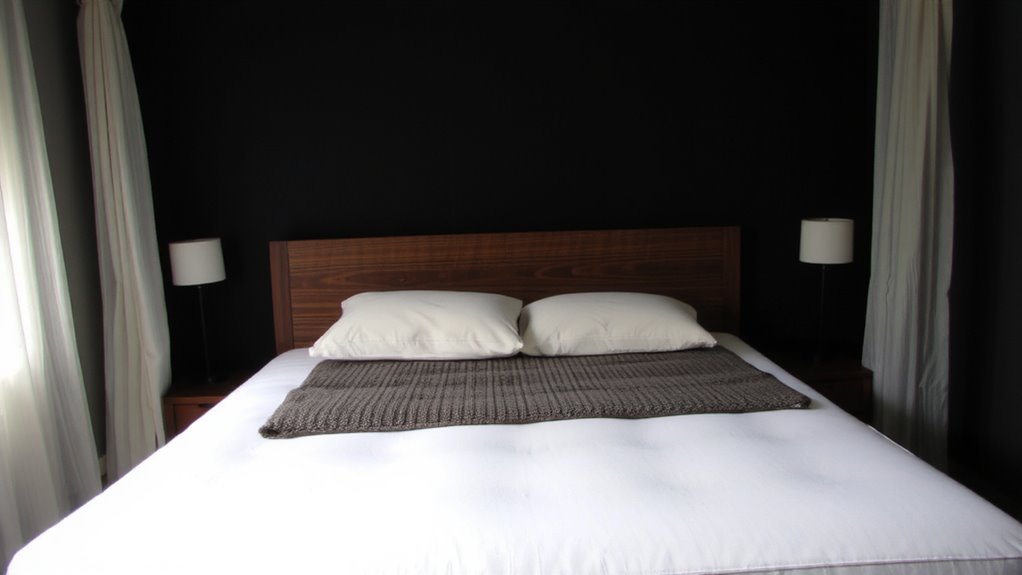
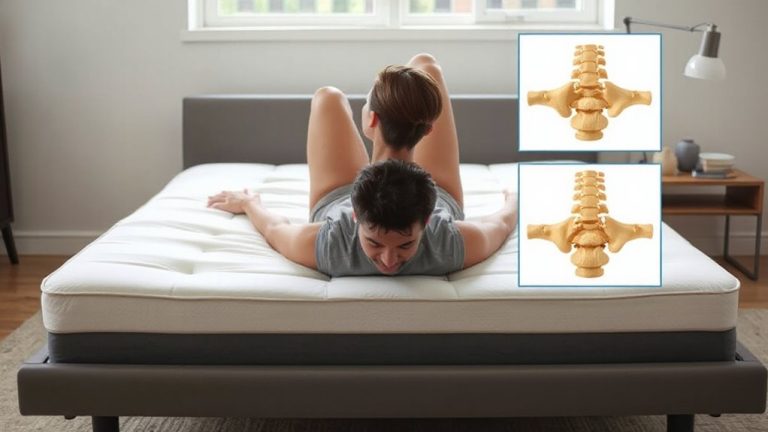
Your spine’s nightly alignment starts with the surface you sleep on, so picking the right mattress and pillow matters more than you might think. Mattress firmness should match your weight and sleep position-too soft, and your spine sags; too firm, and pressure builds. Side sleepers often need medium to soft support to cushion shoulders and hips, while back and stomach sleepers may benefit from firmer support to prevent sinking. Pillow support is just as essential: it keeps your neck in line with your spine. A well-chosen pillow reduces strain and helps prevent morning stiffness. Look for adjustable loft and breathable materials. Many quality brands offer sleep trials and long warranties, letting you test comfort over time. Don’t guess-use trial periods to guarantee your choices truly support spinal alignment and improve sleep quality without unnecessary risk. Side sleepers with neck concerns may benefit from selecting a pillow specifically designed for spinal support, such as those ideal for side sleepers with neck hump.
Stretch Gently at Night to Relieve Back Tension
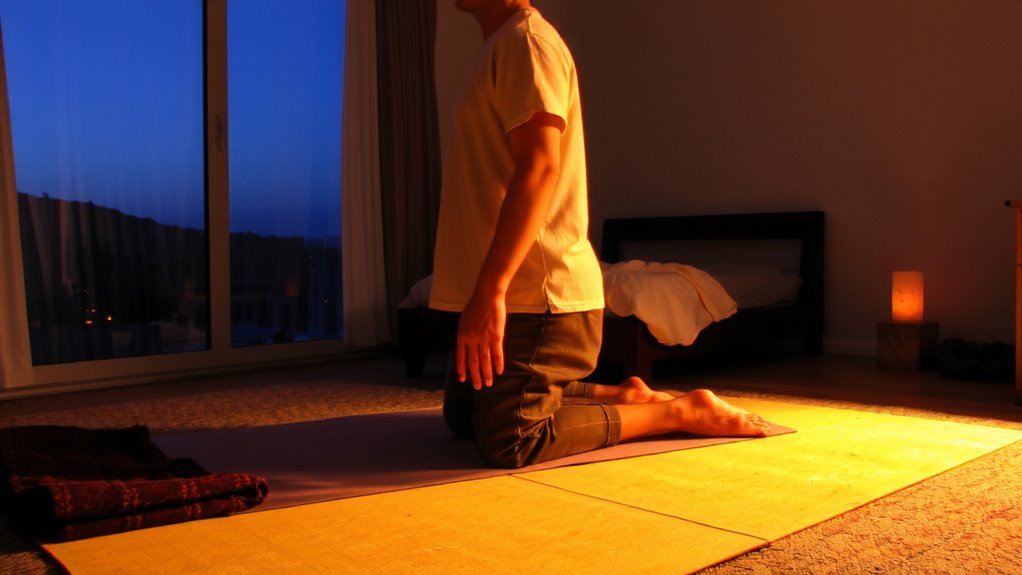
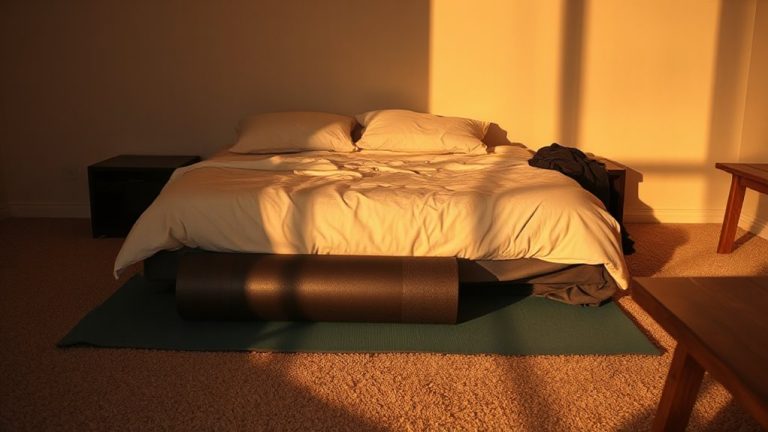
While holding tension in your back can make it harder to fall asleep or stay comfortable through the night, gentle stretching before bed may help ease that stiffness and support better spinal alignment. You can try moves like knee-to-chest presses or seated forward bends, holding each for 20–30 seconds without forcing the motion. This kind of gentle stretching encourages muscle release and improves circulation, promoting back relaxation. Focus on slow, controlled movements that don’t cause pain-your goal is comfort, not intensity. Consistency matters more than duration; doing this nightly for just 5–10 minutes can yield results over time. If you have a history of back issues, consult a healthcare provider to find suitable stretches. Using a mat provides cushioning and stability, making the routine easier to stick with. Over weeks, you may notice improved sleep quality and less morning soreness.
Go Screen-Free Before Bed for Better Sleep
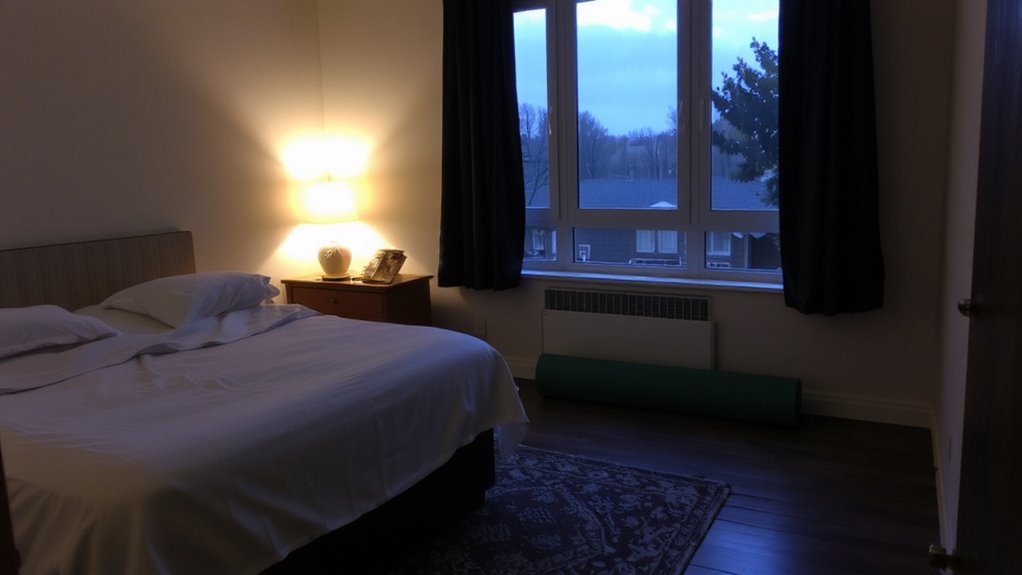
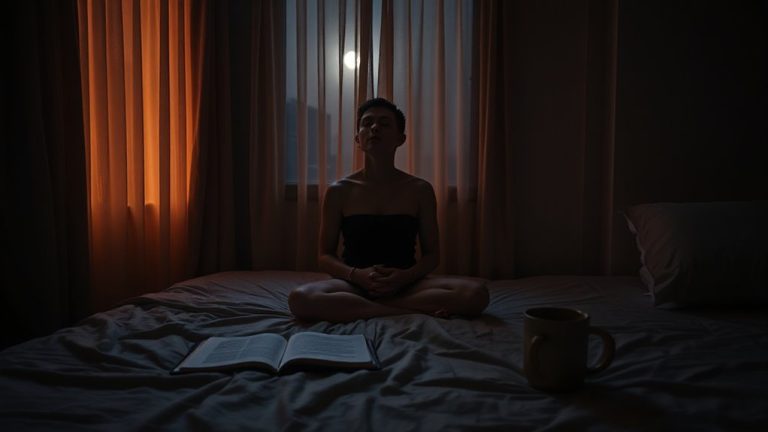
Spending less time staring at screens before bed can help your body wind down more naturally, especially after easing physical tension with evening stretches. Blue light from phones, tablets, and TVs suppresses melatonin, the hormone that regulates sleep, which can delay your ability to fall asleep. Reducing screen exposure 30 to 60 minutes before bed supports better sleep hygiene and helps regulate your body’s internal clock. You don’t have to eliminate devices completely-try switching to night mode or using blue light filters if you must read or scroll. However, replacing screens with low-light activities like reading a book or journaling often leads to deeper, more restful sleep. Over time, this habit can reduce reliance on sleep aids and support long-term improvements in sleep quality. Consistency matters more than perfection when refining your routine.
Make Your Bedroom Spine-Friendly for Rest
A well-designed sleep environment can make a noticeable difference in both spinal comfort and sleep quality. Start with bed positioning-place your mattress on a flat, stable surface, ensuring it supports proper spinal alignment. Avoid placing the bed directly against a wall if noise or vibration is an issue; using a solid frame with center support helps reduce sagging. Pair your setup with adjustable bed bases if you need tailored elevation for neck or lower back support. Room lighting plays a key role, too-use dim, warm-toned lights in the evening to signal your body it’s time to rest. Blackout curtains or a sleep mask can block disruptive light without altering your room layout. Choose breathable, medium-firm bedding materials that maintain spine neutrality. Test your setup over a few nights; many quality mattresses offer trial periods, so use them to assess real-world support. Consider a latex mattress for consistent support and pressure relief that aligns with spinal health goals.gWGVHBotQgagQgQgagQgQgQgagQQgogQgoggogdQgoggogocgogogWQgogQgQgoggoggogogogogogocogogogogocogogocogogogocogocogocogocogocovocogocogocQgogodugocgogocogofocogocogococogocogocogocogococokocogocopoYgogocGogogocogodococgogococopoYgocgogcQgococopoYgocopocopepopocopoYgogococopoYgococopocopoYgococoYoGogococopococodoYgocogoococopoPococopocofocococococogodocobopocococoopocokocOcogococopoYOgomOCopocococococoochococopococoNocopococodococopocococopoQocopicodocobogoQcokocopocopococopococodopocococoQocopococopococopococococopocococococococococococococopiococopoYdodocococopococococococooocococococopocopococococococococococococococopocococococococococopicocococopococococopicocococococopocococococococococococococopococococococopococococopocopococococococococococococococococopoMgocococococococococopoCoocobococococococococococococococococococococococococopocococococococococococococococococococococococococococococococococococopopococococococococococococococococococococococopocopococococococopcocococococococococococopicoCococococococokococococococococococococopocococococokocococococococococococococococococococococogocococococococococococococococococopococococococococococococococococococococococococococococococococococococococococococococococococococococococococococococococococococococococopokocococococococococococococococococococococococococococococococococococococococococococopococococococococococococococococococococococococococococococococococococococococococococopocococococococococococococococococococococococococococococococococococococopococococococokocococopococococococococococopocococococococococococococococococococococococococococococopocococobococococococococococococococopocococococococococococococococogocopocococococopococococococococococococosocococococococococococococococococococococococococococococococococococococococococopococococococococococococococococococopocococococococopococococococococococococococococococococococococococopocococococococococococococococococococococococococococococococococococococococococococococodocococococococococococococopococococococococosopococococococococococococococopocococcomocococococococococococococococopoococococococococOCocococococococococodocococococococococococococococococococococococococopcocococococococococococococococococococococococococococococococococophocpopocococococococococococopocococococococococococococococococococococococococococococococopocomocococococococopococococopocococopococococococococococococococopocococococopococococococococopocOCopocococococokocococococopcocococococococococococococococococco ococococococococococodococococococococopocococococpcococococococococopocococococococococococococococococomocococopocodococococococococococococococococococococococococococococococococococopocococococococococococococococococococococococococodocococococococococodocococococococopococococococococobocococococococococococococococococococococococococococococococococococococococococococococococococococococococococococococococococococococococococococococococococococococococococococococopocodocococococococococococococococococopocococococococococococococopocococococococococococococococococococococococococococococococococococococococococococ You’ve set up your bedroom to support your spine, but how you spend your evenings matters just as much. Your evening posture plays a key role-slouching on the couch or hunching over screens can undo daytime spinal alignment. Instead, sit upright with support under your lower back, and take breaks to stretch. About an hour before bed, consider a warm bath; the heat relaxes tight muscles and may improve circulation, helping your spine ease into rest. This shift in routine can signal your body that it’s time to wind down. Limit screen use and dim lights to support your natural sleep cycle. Adding a CBD spray to your routine may help ease lingering tension, especially if you’re exploring non-invasive options for muscle relaxation and sleep support-some top-rated formulas are designed specifically for evening use with best CBD sprays for calming effects. These habits don’t require special products, just consistent practice. Over time, improved evening routines can reduce back discomfort and help you fall asleep more easily. Try small changes and observe what works best over a week or two. Choose a supportive mattress and pillow that keep your spine aligned, and pair them with gentle evening stretches to ease tension. Cut screen time at least an hour before bed to improve sleep quality. Keep your bedroom cool, dark, and quiet to support rest. Try these steps consistently for a few weeks-if sleep issues continue, consult a professional and review warranty options on sleep products you test.Sleep Better With Evening Habits That Support Your Back
On a final note