Seasonal Affective Disorder & Circadian Rhythms: Causes and Fixes
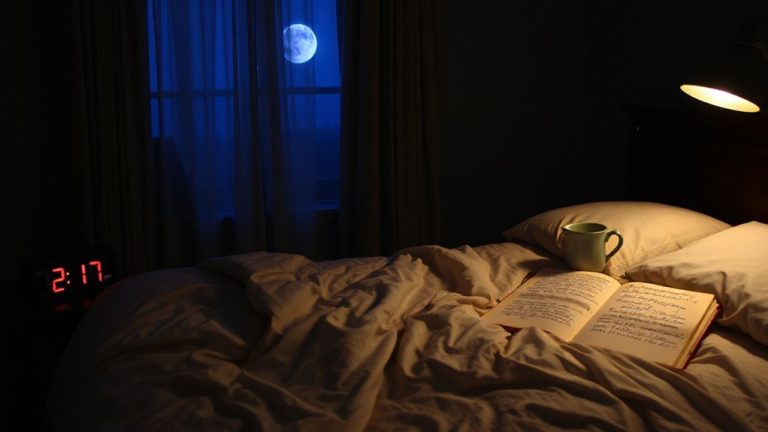
You may feel sluggish or low during winter because less sunlight throws off your body clock, especially if you’re sensitive to seasonal changes. Reduced morning light delays melatonin suppression, making wake-up harder and sleep patterns irregular. This circadian disruption often leads to oversleeping, mood shifts, and low energy. Simple actions like morning walks, limiting evening screen light, and using bright light therapy can help reset your rhythm and improve sleep quality. Consistency supports lasting alignment-small shifts bring noticeable improvements over time.
Notable Insights
- Seasonal Affective Disorder (SAD) is a form of depression triggered by seasonal changes, especially reduced daylight in fall and winter.
- Reduced sunlight disrupts circadian rhythms by delaying melatonin suppression, leading to sleep and mood disturbances.
- Weaker winter light fails to provide strong timing cues, causing the body clock to drift and worsening fatigue.
- Circadian misalignment from SAD affects mood regulation, focus, and energy levels due to disrupted hormonal signals.
- Morning light exposure and consistent sleep routines help realign circadian rhythms and alleviate SAD symptoms.
What Is Seasonal Affective Disorder?
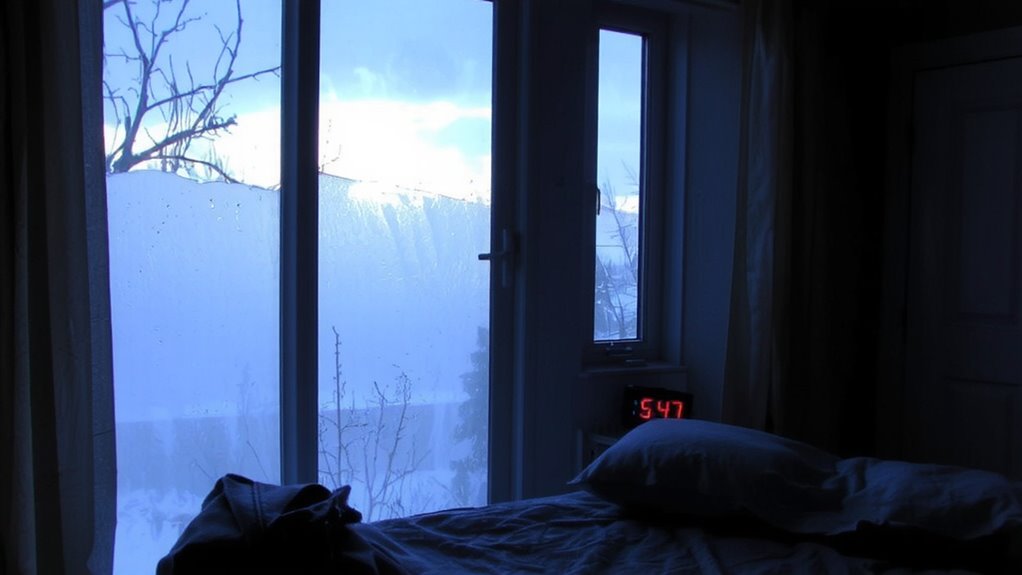
What if the changing seasons quietly shifted your mood and energy each year? You might be experiencing Seasonal Affective Disorder (SAD), a type of depression tied to seasonal changes, usually starting in fall and lasting through winter. It’s not just feeling down-it’s a real condition influenced by reduced sunlight, which can disrupt your circadian rhythms. Your genetic predisposition plays a role; if a close relative has SAD, you’re more likely to develop it. Cultural influences also shape how symptoms are expressed and recognized, affecting when and how people seek help. While SAD impacts sleep patterns and energy, understanding its roots helps you make informed choices about light therapy, sleep routines, or speaking with a healthcare provider. Treatment options vary, so consider ones backed by research, with clear usage guidelines and safety information to support your long-term well-being.
SAD Symptoms: Sleep, Mood, and Energy Changes
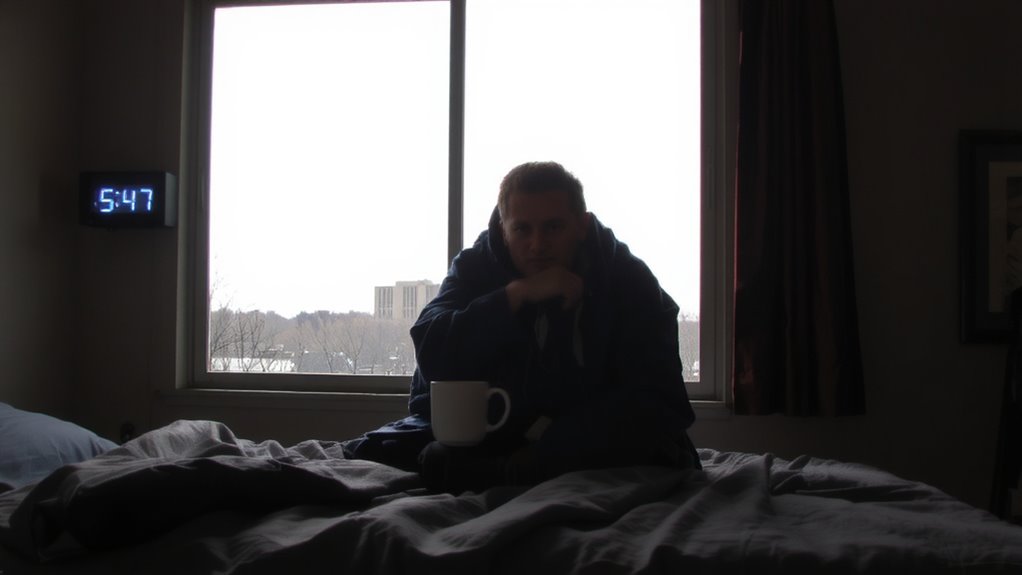
Though your sleep, mood, and energy may feel off during shorter days, these shifts could signal Seasonal Affective Disorder rather than ordinary fatigue. You might notice sleep disturbances-like oversleeping or trouble staying asleep-that disrupt your daily routine. Mood swings are also common, leaving you irritable or unusually anxious without clear cause. Energy levels often dip, making even simple tasks feel draining. These symptoms typically recur each fall or winter and ease in spring. Unlike occasional tiredness, SAD-related changes persist and affect functioning. If these patterns sound familiar, tracking your sleep and mood over weeks can help identify trends. This record offers useful information for healthcare providers and may guide decisions about managing sleep disorders or considering sleep aids. Many find relief with structured routines, light therapy, or professional care-options often covered under health plans with minimal out-of-pocket cost. Using a sleep therapy light can help regulate circadian rhythms by mimicking natural morning light, supporting better sleep and mood balance.
How Winter Light Levels Disrupt Your Body Clock
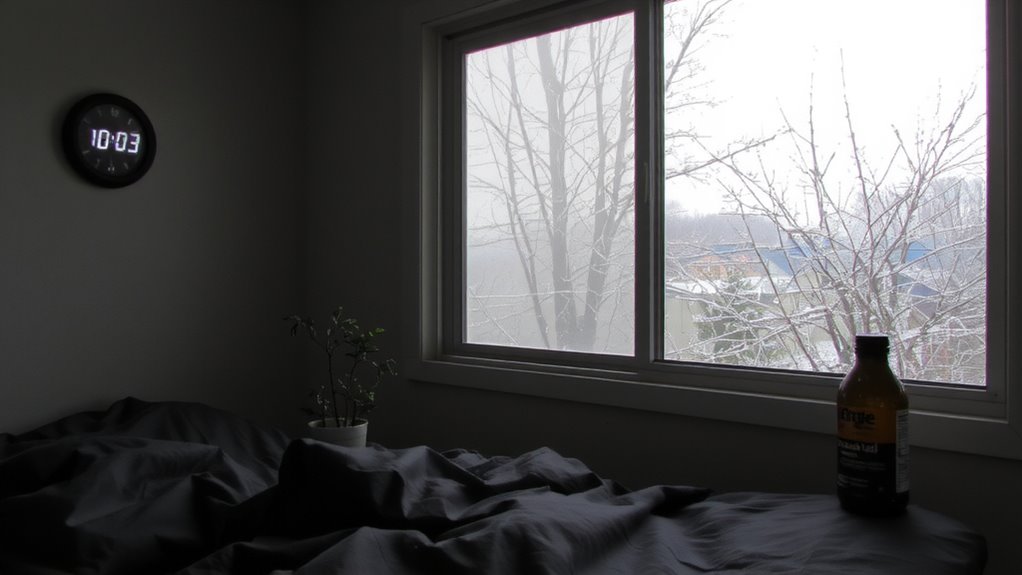
Why does time feel so off when winter arrives? The shift comes down to reduced light intensity during shorter days, which directly affects your body’s internal clock. When morning light is dim, your brain doesn’t get the signal to stop producing melatonin, delaying melatonin suppression. This makes it harder to wake up and feel alert. Your circadian rhythm relies on strong morning light cues to stay aligned, but winter’s weak sunlight just doesn’t deliver. As a result, sleep timing can drift later, disrupting daily routines. To help reset your rhythm, consider using a light therapy box that mimics natural sunlight. Look for one with 10,000 lux light intensity for best results. Use it within 30–60 minutes of waking, ideally for 20–30 minutes. Many models are clinically tested and come with warranties, making them a reliable trial option. For optimal outcomes, choose a device from the list of best sleep therapy lamps based on expert sleep therapy lamp recommendations.
Why Your Circadian Rhythm Affects Mental Health
Isn’t it curious how a disrupted sleep schedule can leave you feeling more than just tired? When your circadian rhythm falls out of sync, it doesn’t just affect sleep-it can impact your mood, focus, and mental well-being. Your brain relies on consistent signals like light and activity to stay balanced. Exposure to blue light in the evening, especially from screens, can delay melatonin release, making it harder to fall asleep and throwing your cycle off. On the flip side, getting morning exercise outdoors helps reset your internal clock by signaling wakefulness. This natural alignment supports emotional regulation and reduces symptoms linked to mood disorders. Over time, misalignment increases risks for sleep disorders and mental health concerns. Paying attention to daily routines and light exposure helps maintain rhythm. Small, consistent habits make a measurable difference in how your body and mind perform.
Proven Ways to Rebalance Your Body’s Clock
You’ve likely noticed how even small shifts in your sleep routine can affect your energy and focus, especially when your circadian rhythm stays off track. One of the most effective ways to reset it is through consistent morning exercise, which helps signal your body that the day has started. Even a 20-minute walk outside can boost alertness and strengthen your internal clock. Pair that with limiting blue light exposure from screens in the evening-ideally starting two hours before bed-to support natural melatonin release. Using blue light filters or wearing amber-tinted glasses may help if screen use is unavoidable. Maintaining a regular sleep schedule, even on weekends, adds stability. These strategies don’t require supplements or medical aids, but if you consider sleep aids, look for ones with clear trial periods and transparent ingredient lists to make informed choices.
On a final note
You can manage SAD by aligning your circadian rhythm with daily light cues. Try consistent sleep times, morning light exposure, and dimming screens at night. Light therapy lamps, with 10,000 lux and UV filters, often help after a few days. Some find support with melatonin supplements under guidance. Most devices offer 30-day trials, letting you test what fits your routine. Small, steady changes improve sleep quality and daytime focus.