Understanding How Acupuncture Can Be Used To Treat Insomnia Naturally
You’ve likely tried pills or teas, but acupuncture works differently-it helps your body reset naturally. By targeting key points like HT7 and Anmian, it calms your nervous system and supports smoother energy flow. Sessions use thin, sterile needles placed gently, usually causing little discomfort. Over 4–6 weeks, many notice better sleep timing and depth. It’s low-risk, with minor side effects, and works best alongside healthy sleep habits. There’s more to how this balance unfolds.
Notable Insights
- Acupuncture treats insomnia by addressing underlying imbalances in energy flow and nervous system function.
- It calms the mind and body by reducing fight-or-flight activation, promoting natural sleep onset.
- Specific points like HT7, Anmian, and SP6 are targeted to regulate sleep, emotions, and digestion.
- Regular sessions over four to six weeks can help align circadian rhythms and improve sleep quality.
- Acupuncture works best when combined with lifestyle changes and has minimal side effects compared to medications.
The Holistic Roots of Insomnia
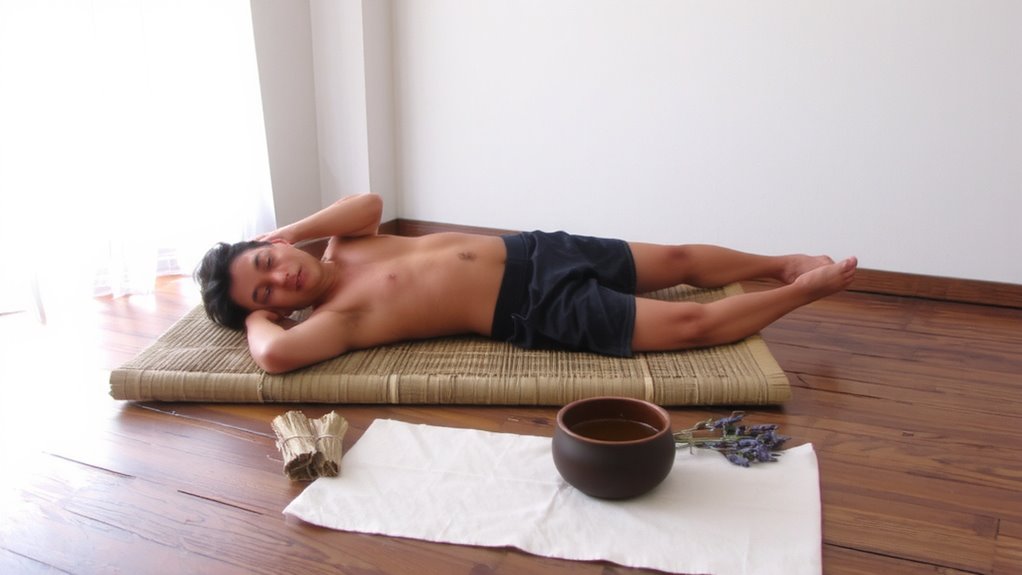
Sleep isn’t just about how long you lie in bed-it’s a complex process shaped by your body, mind, and daily habits. You might not realize how deeply emotional balance and energy flow affect your rest. When stress builds or emotions feel out of step, your nervous system responds, often disrupting sleep patterns. In holistic health, insomnia isn’t seen as just a symptom but as a signal-your body telling you something’s off in your internal rhythm. Poor energy flow, often described in traditional systems as stagnant or blocked qi, can contribute to restlessness and trouble staying asleep. These factors weave together, linking mood, circulation, and relaxation. You don’t have to choose between medication and suffering. Understanding these roots helps you make informed choices about treatments that support natural function, rather than override it. Recognizing the whole picture guides smarter, more sustainable sleep solutions.
How Acupuncture for Insomnia Resets Your Sleep Cycle

You’ve likely felt how stress or emotional strain builds up, quietly disrupting your nights without a clear warning. Acupuncture helps by promoting nervous regulation, calming your overactive fight-or-flight response so your body can shift into rest mode. When your nervous system balances, sleep doesn’t feel forced-it becomes a natural rhythm. Over time, regular sessions support circadian alignment, helping your body sync with natural light-dark cycles. This means you may start feeling tired at consistent times, wake more easily in the morning, and experience deeper rest overall. It’s not an overnight fix, but with consistent treatment, your sleep architecture adjusts. Unlike some sleep aids that mask symptoms, acupuncture works with your body’s signals. Many patients report improved sleep quality within four to six weeks. It’s a drug-free option worth considering if you’re looking for long-term sleep support without dependency.
Acupuncture Points for Better Sleep

Where do the needles go when treating insomnia with acupuncture? Key points are carefully chosen to balance your Yin Yang and restore smooth Qi Flow. You’ll often find needles at HT7, near your wrist, which calms the mind and supports heart function-important since emotional restlessness can disrupt sleep. Another point, Anmian, behind the ear, is used specifically for better rest. SP6, on the inner ankle, helps regulate digestion and blood quality, both linked to restful sleep. Needling these areas encourages balanced energy without sedatives or side effects. You may notice improvements after a few sessions as your body’s natural rhythms adjust. This method doesn’t work instantly like some sleep aids, but it targets root causes, not just symptoms. It’s worth trying if you prefer non-drug options with minimal risk. Always seek a licensed practitioner to guarantee safe, effective treatment tailored to your needs.
What Happens in an Acupuncture Session
Now that you know which points are involved, it’s helpful to understand what to expect during an actual acupuncture session. You’ll lie comfortably while the practitioner cleans the skin and begins needle placement with thin, sterile needles. The needles are usually inserted just beneath the skin’s surface at specific points linked to sleep regulation. Most people feel little to no discomfort-sometimes just a brief tingling or dull ache. Once all needles are in place, you’ll relax for the treatment duration, typically 20 to 30 minutes. The room stays quiet, often with soft lighting or calming music to support relaxation. Afterward, the needles are removed and disposed of safely. Sessions usually repeat weekly over several weeks. This process allows your body to gradually respond, helping you assess improvements in sleep patterns without relying on sleep aids. It’s a gentle, non-invasive option worth trying if sleep troubles persist.
What Science Says About Acupuncture and Sleep
While research on acupuncture’s effects on sleep is still evolving, studies suggest it may help improve sleep quality for some people, especially when compared to no treatment or standard care alone. You’ll find clinical evidence showing acupuncture can influence brain chemistry, boosting levels of melatonin and other neurotransmitters tied to sleep regulation. Some trials report modest gains in sleep duration and latency, with improvements noticed after several weekly sessions. Though results vary, the data leans toward mild to moderate benefit for chronic insomnia sufferers. Clinical evidence isn’t strong enough to recommend it universally, but it’s a low-risk option worth considering if standard treatments haven’t worked. You’re likely to experience few side effects, mainly minor soreness or bruising. Acupuncture shouldn’t replace proven therapies, but it can be a complementary choice. Talk to your doctor to see if it fits your sleep care plan.
Acupuncture + Lifestyle: A Lasting Fix for Insomnia
How do you tackle insomnia when sleepless nights keep piling up? Acupuncture can help, but lasting results come when you pair it with smart lifestyle changes. Think of acupuncture as a reset for your nervous system-it supports relaxation and improves sleep patterns over time. But for real progress, your daily routine matters just as much. Keeping consistent bed and wake times helps regulate your body’s clock. Combine that with stress management techniques like deep breathing or light stretching, and you create conditions where sleep can thrive. You don’t need drastic changes; small, steady tweaks boost acupuncture’s effects. Avoid screens before bed, limit caffeine, and create a calm sleep space. Together, acupuncture and a balanced daily routine offer a practical, drug-free path to better sleep. It takes patience, but many find the combination worth the effort. Best results often come from combining natural treatments like acupuncture with proven insomnia remedies that address root causes such as stress and poor sleep hygiene.
On a final note
You can try acupuncture as a natural option for insomnia, especially if sleep aids or medications haven’t worked well. It helps balance your sleep cycle by targeting specific points linked to relaxation and stress relief. Sessions are generally safe, with minimal side effects. When combined with healthy sleep habits, acupuncture may improve sleep quality over time. Check with a licensed practitioner and consider a few sessions to see how your body responds.