The Role of Exercise in Reducing Anxiety-Related Insomnia
Exercise helps calm your nervous system by lowering stress hormones and easing anxiety that disrupts sleep. Regular movement, like walking or yoga, boosts endorphins and supports a steady sleep-wake cycle. Morning or early evening workouts work best, as intense exercise too close to bedtime may delay sleep. Even 20–30 minutes most days can improve how fast you fall asleep and how well you feel. Consistency matters more than intensity-find something you can stick with, and you’ll likely notice better rest over time. A few small changes now could lead to deeper, more consistent sleep with time.
Notable Insights
- Exercise reduces anxiety by regulating stress hormones and restoring neurochemical balance.
- Regular movement improves sleep onset and helps break the cycle of insomnia.
- Gentle activities like yoga and tai chi lower cortisol and calm the nervous system.
- Morning or early evening exercise supports circadian rhythm without disrupting sleep.
- Even 20–30 minutes of daily moderate activity can reduce anxiety and enhance sleep quality.
How Exercise Calms Anxiety and Improves Sleep
While it might seem counterintuitive to move more when you’re already worn out from restless nights, regular physical activity actually helps reset both your stress response and sleep cycle over time. You strengthen the mind body connection each time you engage in moderate exercise, like brisk walking or cycling, because movement signals your brain to calm down. This supports nervous system regulation, shifting you away from constant alertness. Over weeks, your body learns to wind down more easily at night. Exercise isn’t a quick fix, but it’s effective-most people notice sleep improvements within 4 to 6 weeks of consistent effort. You don’t need intense workouts; 30 minutes most days is enough. Think of it as maintenance for your internal rhythms. Unlike sleep aids, exercise carries no risk of dependency and builds long-term resilience.
How Anxiety Hijacks Your Sleep: And Why Exercise Helps
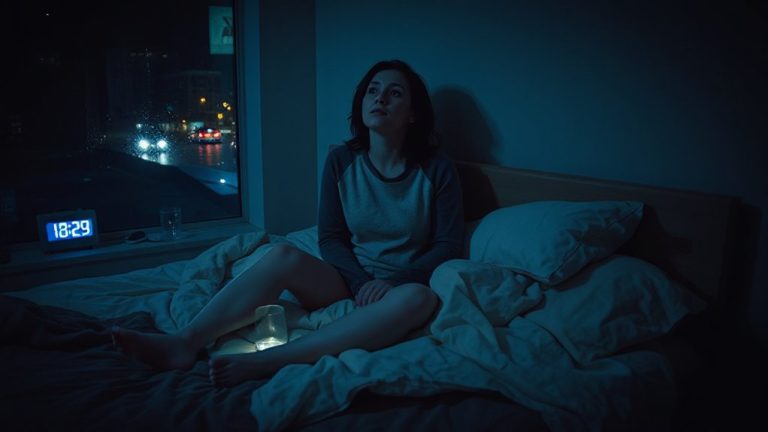
You’ve likely felt it-the racing thoughts, the tight chest, the way bedtime becomes a battleground when anxiety takes over. Anxiety disrupts your circadian rhythm, making it hard to fall or stay asleep. It floods your system with stress hormones, throwing off neurochemical balance. Exercise helps restore both.
| Feeling | At Bedtime with Anxiety | With Regular Exercise |
|---|---|---|
| Mind state | Racing, worried | Calmer, clearer |
| Body tension | High, restless | Reduced, relaxed |
| Sleep onset | Delayed | Faster |
| Mood | On edge | More stable |
| Daily energy | Low | Improved |
Physical activity regulates cortisol, supports neurochemical balance, and strengthens circadian rhythm cues. You don’t need intense workouts-consistent, moderate movement makes a difference. Over time, your body learns when to wind down, making sleep less of a struggle and more of a natural reset.
Best Exercises for Anxiety-Related Insomnia
When choosing an exercise to ease anxiety-related insomnia, focus on activities that calm the nervous system and strengthen your body’s natural sleep-wake cycle. Gentle movement like yoga poses, such as child’s pose or legs-up-the-wall, lowers cortisol and eases muscle tension. These poses, paired with deep breathing techniques-like diaphragmatic or 4-7-8 breathing-can slow your heart rate and signal safety to the brain. Aerobic workouts, including brisk walking or cycling, also help by boosting endorphins and regulating circadian rhythms, but keep intensity moderate to avoid nighttime arousal. Mind-body practices such as tai chi or mindful stretching offer similar benefits by combining movement with breath awareness. You don’t need expensive gear or classes-many routines are free online and adaptable to your space and schedule. Try different options consistently for a few weeks to see what works best. Each has strengths; your choice depends on comfort, ability, and daily routine.
When to Work Out for Better Sleep
How does timing your workout affect your sleep? Morning workouts can help set your body’s clock, boosting alertness early and deepening sleep later. You’ll likely feel more energized during the day, which may reduce nighttime restlessness linked to anxiety. If mornings don’t fit your routine, moderate evening exercise is okay, as long as it ends at least 1–2 hours before bed. This gives your body time to cool down and begin the evening wind down. Intense workouts too close to bedtime, though, might delay sleep onset by raising heart rate and alertness. Everyone responds differently, so test both morning workouts and lighter evening activity to see what supports your sleep best. Track how you feel falling asleep and staying asleep. Adjust timing based on results, not assumptions. Consistency matters most-timing your movement helps regulate your sleep patterns over time.
How Much Exercise You Need to Sleep Better
What’s the right amount of exercise to quiet your mind and fall asleep more easily? Aim for at least 30 minutes of moderate exercise most days. This can help reduce anxiety and improve sleep onset without overstimulating your nervous system. You don’t need intense workouts-brisk walking, light cycling, or yoga often work well. Exercise intensity matters: too high, especially late in the day, might delay sleep onset for some. Low to moderate intensity tends to support relaxation. Try different durations and times to see what helps you unwind. Consistency matters more than long sessions. Even 20 minutes most days can make a difference. Think of it like a tool-adjustable, personal, and effective when matched to your rhythm. Start small, track how you feel, and let results guide your routine. No need for extremes-steady effort supports better sleep naturally.
Sustainable Routines for Stressed, Tired Minds
Building a routine that sticks means working with your energy, not against it, especially when stress and fatigue make consistency feel out of reach. You don’t need intense workouts to see benefits-mindful movement like gentle yoga or walking can ease anxiety and prepare your mind for rest. These activities lower cortisol levels and help regulate your nervous system without draining already limited energy. Pair them with restorative rituals such as dimming lights, journaling, or seated stretching at the same time each night. These habits signal safety to your brain, supporting natural sleep onset. Start small: five to ten minutes of movement or ritual daily builds consistency. Focus on repetition, not perfection. Over time, your body learns when to wind down, making sleep feel less like a struggle. Choose practices you can maintain, even on hard days, because sustainability matters most.
Pair Exercise With Better Sleep Habits
While exercise supports better sleep, pairing it with consistent habits makes the results more reliable, especially when anxiety interferes. You’ll get the most benefit by combining physical activity with strong sleep hygiene, like keeping a regular bedtime, limiting screens before bed, and creating a calm sleeping environment. These practices support your body’s natural wind-down process and improve sleep quality over time. Think of exercise as part of broader stress management-daily movement helps lower tension, but it works better when matched with mindful routines. Avoid caffeine late in the day and reserve your bed only for sleep, not work or scrolling. Doing so strengthens your brain’s link between bed and rest. A steady schedule enhances recovery, so consistency matters more than perfection. Try small, lasting changes, and monitor how you feel after a few weeks.
On a final note
You can reduce anxiety-related insomnia by adding regular exercise to your routine, especially aerobic activities like walking or cycling. Timing matters-finish workouts at least three hours before bed. Aim for 30 minutes most days, but even short bursts help. Pair movement with consistent sleep habits: dim lights, skip screens, and stick to a schedule. It’s a practical, evidence-backed way to improve sleep without relying on aids.