Why Delayed Sleep Phase Disorder Often Coexists With Anxiety Disorders
Your delayed sleep phase disorder isn’t laziness-it’s a biological shift in your internal clock that often overlaps with anxiety. Disrupted melatonin and cortisol rhythms impair sleep timing and emotional control, while anxiety keeps your mind active at night, reinforcing the cycle. Misunderstanding from others can deepen feelings of isolation. Treating both with light exposure, consistent routines, and cognitive strategies can help reset your rhythm and reduce anxiety, especially when timed right-there’s more to discover about breaking the pattern.
Notable Insights
- Delayed Sleep Phase Disorder (DSPD) disrupts circadian rhythms, leading to chronic sleep deprivation that impairs emotional regulation and increases anxiety risk.
- Circadian misalignment in DSPD causes hormonal imbalances, including abnormal cortisol and melatonin levels, which heighten emotional volatility and anxiety symptoms.
- Anxiety reinforces DSPD through cognitive hyperarousal and bedtime procrastination, delaying sleep onset and further shifting the internal clock.
- Misconceptions about DSPD as laziness or lack of discipline contribute to stigma, shame, and social isolation, worsening anxiety.
- Poor sleep timing reduces sleep quality even with sufficient duration, weakening resilience to stress and increasing vulnerability to anxiety disorders.
What Is Delayed Sleep Phase Disorder (DSPD)?
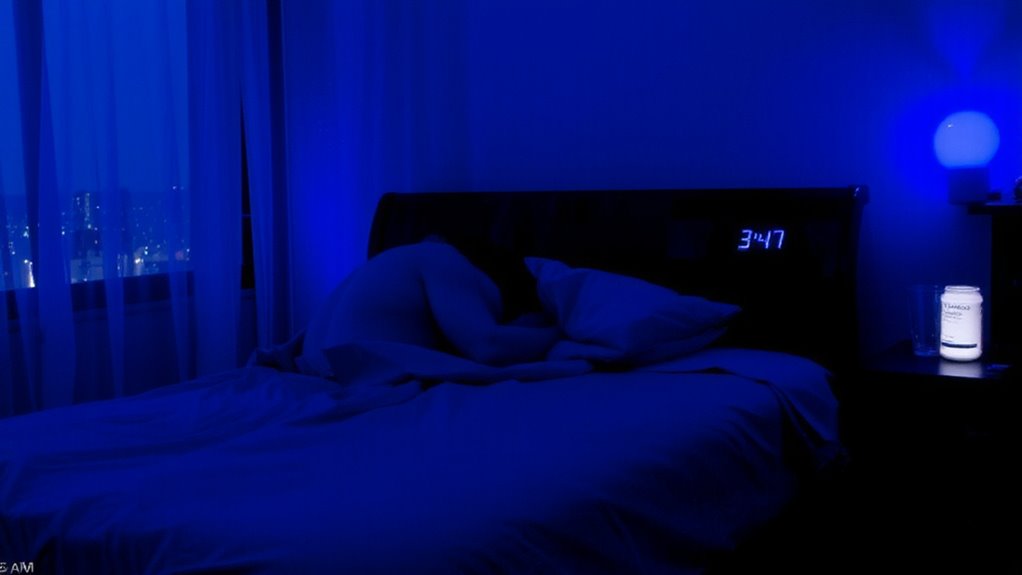
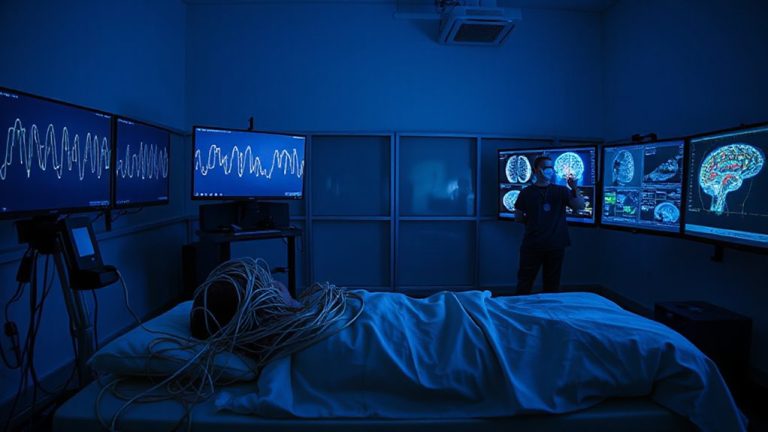
While your body typically follows a 24-hour sleep-wake cycle, people with Delayed Sleep Phase Disorder (DSPD) experience a shift in that rhythm, making it hard to fall asleep and wake up at conventional times. You might not feel tired until hours past midnight, even with consistent routines. This delayed pattern often leads to chronic insomnia because you’re forced to wake early for work or school, cutting sleep short. The root issue is circadian misalignment-your internal clock runs later than the typical day-night schedule. This isn’t laziness or poor habits; it’s a physiological shift in your body’s timing system. Light cues, especially morning sunlight, help reset circadian rhythms, so timed exposure can improve alignment. Melatonin supplements, used correctly, may also adjust timing. Treatment focuses on shifting bedtime earlier through behavioral and environmental strategies. Success varies, but many see improvement with consistent, evidence-based methods.
Why Delayed Sleep Triggers Anxiety Symptoms
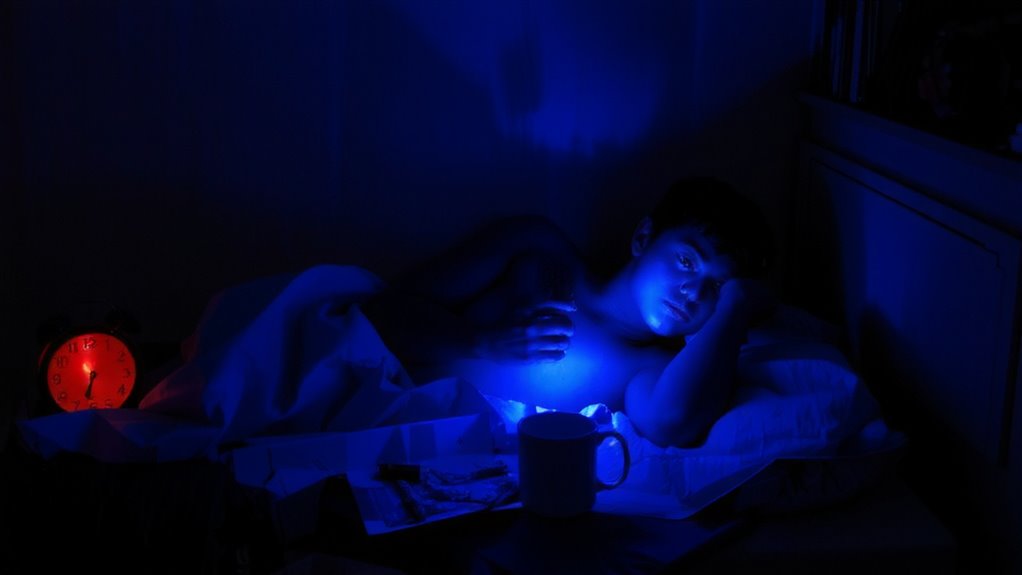
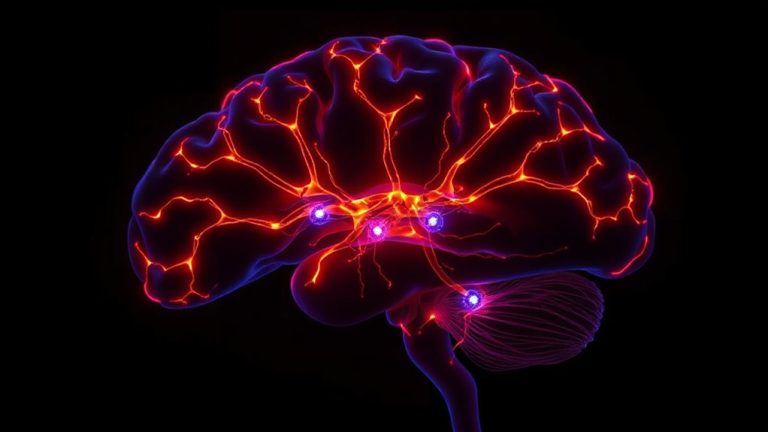
You’re not imagining it-when your sleep stays out of sync night after night, your mood and mental state can take a hit. Delayed sleep patterns often lead to sleep deprivation, leaving your brain less equipped to regulate emotions. Over time, this strains your stress response, making anxiety symptoms more likely. At the core is circadian misalignment-your body’s internal clock runs later than typical schedules allow, creating a constant jetlag-like state. This mismatch disrupts hormone release, especially cortisol and melatonin, worsening emotional volatility. Even if you get enough hours, poor timing reduces sleep quality. The result? Increased nervousness, racing thoughts, and irritability. Recognizing this link helps you choose targeted steps-like light therapy or consistent wake times-that realign rhythms. Some find sleep aids temporarily helpful, but they don’t fix underlying timing issues. Addressing circadian misalignment is key for long-term relief and better mental health.
How Anxiety Reinforces Delayed Sleep Patterns
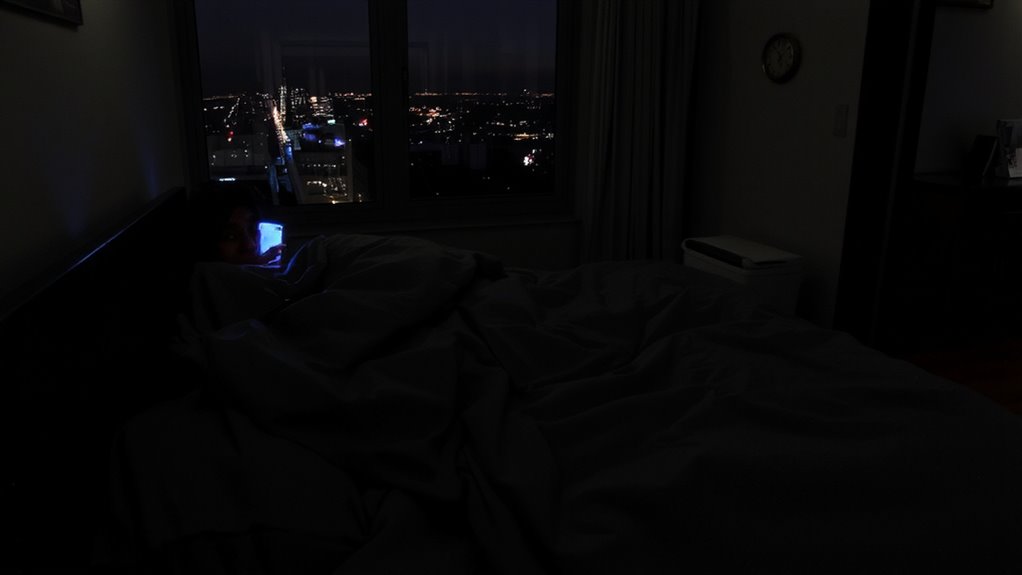
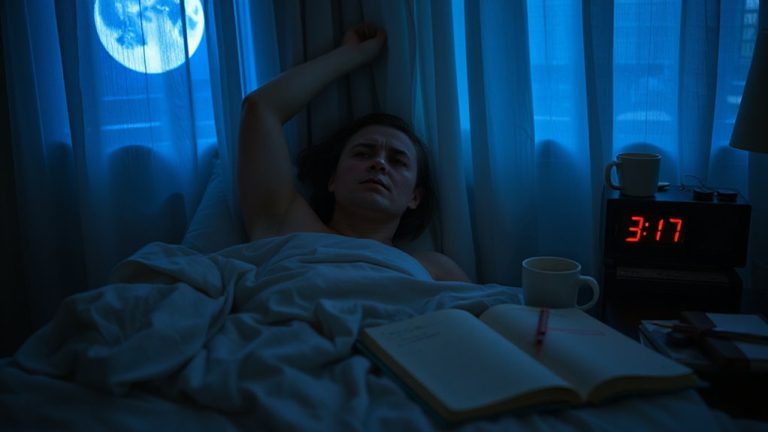
Why does your mind seem to race most when you finally try to rest? Anxiety fuels cognitive hyperarousal, keeping your brain overly active when it should wind down. This state makes falling asleep feel impossible, even when exhausted. You might delay bedtime, not out of habit, but because you fear another sleepless night-that’s bedtime procrastination driven by worry. The later you stay up, the more entrenched the cycle becomes. Your internal clock shifts further, reinforcing delayed sleep patterns. Over time, this disrupts natural melatonin release, making sleep feel less restorative. Addressing cognitive hyperarousal often involves relaxation techniques, consistent routines, or structured wind-down periods. Some find support with apps or low-dose melatonin, backed by clinical trials and short-term use guidelines. Devices like light therapy lamps can help reset rhythms, usually within two to four weeks. Warranties on medical-grade tools often cover a year, offering reliable trial periods.
Feeling Broken: How Stigma Worsens DSPD and Anxiety
How does it feel when you’re told just to “try harder” to fall asleep, as if your body’s rhythm is a flaw you can switch off? This dismissive attitude feeds internalized shame, making you feel broken. When society treats your sleep pattern as laziness, it deepens social isolation and worsens anxiety. You’re not failing-you’re coping with a real biological shift that’s misunderstood.
| Misconception | Reality |
|---|---|
| “You’re just lazy” | DSPD is a circadian rhythm disorder |
| “Anxiety is all in your head” | It has physical and neurological roots |
| “Sleep aids fix everything” | They help some, but aren’t a standalone solution |
Understanding the science behind DSPD reduces stigma. Recognizing internalized shame helps you seek valid support. Social isolation lessens when you share accurate information with others.
Breaking the Cycle: Combined Treatment for DSPD and Anxiety
While treating delayed sleep phase disorder and anxiety separately might seem logical, addressing them together often brings better results because they influence each other. You can use cognitive restructuring to challenge anxious thoughts that keep you awake, while sleep restriction helps reset your internal clock by limiting time in bed to actual sleep time. This combo strengthens your body’s sleep drive and reduces nighttime worry cycles. Sleep restriction may feel tough at first, but it builds sleep efficiency over time. Paired with cognitive restructuring, it helps you respond differently to stress and fatigue. Therapists often guide this dual approach, adjusting it based on your progress. Together, these methods target both mental patterns and biological timing, offering a clearer path forward. Consistency matters, and small daily changes add up. Working with a sleep specialist guarantees you apply both techniques safely and effectively.
Resetting Your Rhythm: Daily Steps to Improve Sleep and Calm Anxiety
If you’re used to falling asleep late and waking up groggy, small, consistent changes can gradually shift your rhythm and ease anxiety. Start by getting morning light within 30 minutes of waking-this helps reset your internal clock. Even on cloudy days, outdoor light is more effective than indoor lighting. Aim for at least 20–30 minutes daily. Pair this with a steady bedtime routine that begins at the same time each night. Keep it screen-free and calming: try light reading, gentle stretching, or mindfulness. Avoid caffeine after noon and heavy meals close to bed. These steps don’t work overnight, but with 4–6 weeks of consistency, you’ll likely see improvements in both sleep and anxiety. Think of it as training your body’s rhythm-not forcing it. Track your progress, be patient, and adjust as needed. Small trade-offs today can lead to steadier sleep and reduced anxiety over time.
On a final note
You’re not alone-many people with delayed sleep phase disorder also face anxiety, and treating both together works best. Shifting your sleep schedule gradually, using light therapy, and keeping consistent routines can improve both rest and mood. Some find short-term use of sleep aids helpful, but always check with a doctor. Cognitive behavioral therapy (CBT) offers lasting benefits, often with insurance coverage. Small, steady steps make change possible.