Sleep Disorders and Mental Health: Understanding the Bidirectional Relationship Between Anxiety and Insomnia
You’re not alone-when anxiety keeps you awake, your brain stays stuck in high alert, making sleep hard to find. And when you don’t sleep, your anxiety grows stronger, fueling a cycle that’s tough to break. The good news? Small, consistent changes in how you manage thoughts, routines, and habits can reset both mind and body, easing the strain on your nights and days. There are proven ways to regain control, and understanding how they work is the next step forward.
Notable Insights
- Anxiety causes racing thoughts and physical arousal, making it difficult to fall asleep despite tiredness.
- Poor sleep impairs emotional regulation, increasing stress reactivity and worsening anxiety symptoms.
- Insomnia and anxiety form a feedback loop where each condition exacerbates the other over time.
- Cognitive-behavioral techniques like mindfulness and cognitive restructuring can break the anxiety-insomnia cycle.
- Persistent sleep issues require clinical evaluation to address underlying insomnia, anxiety, or both effectively.
Why Anxiety Makes It Hard to Fall Asleep
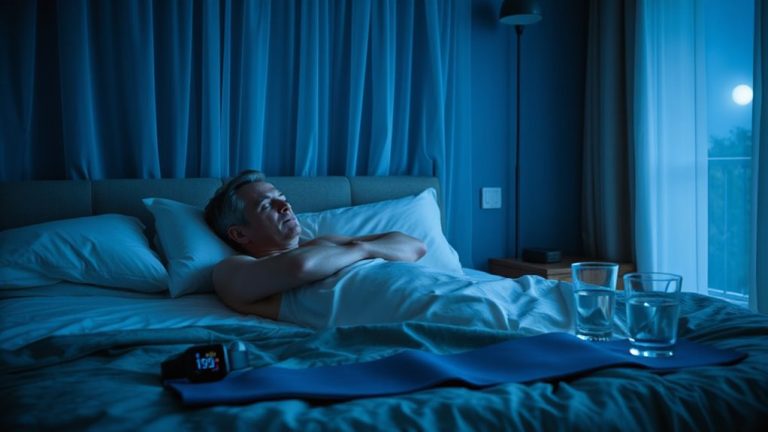
What if your mind won’t shut off exactly when you need it to most? When anxiety takes hold at bedtime, racing thoughts spiral-worries about tomorrow, regrets from today-each one feeding the next. This mental loop comes with heightened arousal, a physical state of alertness that tells your body it’s not safe to sleep. Your heart might race, muscles tense, and breathing stay shallow, all signs your nervous system is still on high alert. This isn’t just restlessness; it’s a physiological mismatch between what your body needs and what your brain allows. Sleep doesn’t come easily in this state, no matter how tired you feel. Recognizing racing thoughts and heightened arousal helps you identify early signs of sleep disruption. From there, evaluating options-like relaxation techniques, consistent routines, or speaking with a professional-becomes a practical next step toward restoring balance between mind and sleep.
How Lack of Sleep Fuels Anxiety
When you’re running on too little sleep, your brain doesn’t get the chance to reset, and that can make anxiety worse over time. Sleep deprivation affects your emotional regulation, leaving you more reactive to stress. It also leads to cognitive impairment, making it harder to focus, solve problems, or make sound decisions-each of which can deepen anxious thoughts. Without enough rest, your body stays in a heightened state of alert, increasing cortisol levels and straining your nervous system. You might notice small worries feel bigger or everyday tasks seem overwhelming. These changes aren’t permanent, but they do signal the need for consistent, quality sleep. Consider tracking your sleep patterns and discussing any ongoing issues with a healthcare provider. Treatments like CBT-I, good sleep hygiene, or, in some cases, short-term use of sleep aids may help. Always weigh benefits, side effects, and guidance before starting any new solution. Some individuals find relief by incorporating best CBD products for better sleep as part of a broader strategy.
How Anxiety and Insomnia Feed Each Other
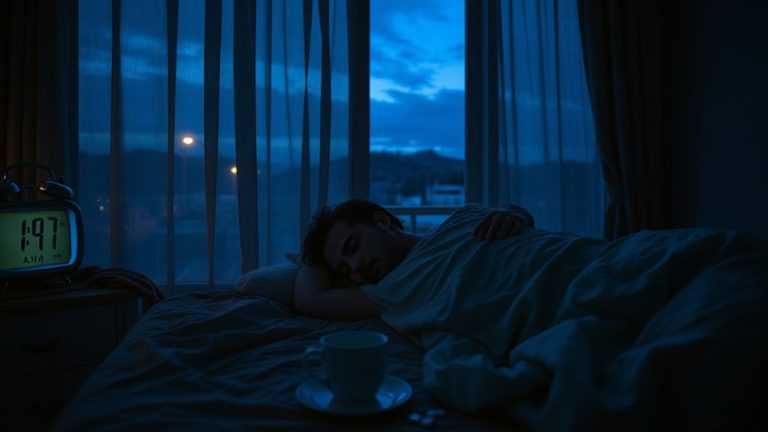
You’ve seen how poor sleep can amplify anxiety, but it’s not a one-way street-your anxiety can also keep you from falling or staying asleep, creating a loop that’s tough to break. When you’re anxious, your body often enters hyperarousal patterns, keeping your mind alert even when you’re exhausted. This state makes it hard to relax enough for sleep. At the same time, your thoughts might fall into rumination cycles, replaying worries or what-ifs that steal precious rest. These mental habits feed insomnia, which then worsens anxiety the next day. It’s a cycle that builds over time, affecting mood, focus, and daily function. Recognizing these patterns helps you decide when to seek changes-whether in routines, environments, or support systems. Sleep isn’t just about hours; it’s about calming the mind-body connection so rest can take hold naturally.
Evidence-Based Ways to Calm Your Mind and Sleep Better
How can you break the cycle of racing thoughts and restless nights? Start with mindfulness meditation, which trains your mind to focus on the present instead of replaying worries. Just 10–15 minutes daily can reduce nighttime arousal and improve sleep quality over time. Another powerful tool is cognitive restructuring, where you identify and challenge anxious thoughts that keep you awake-like “I’ll never fall asleep”-and replace them with calmer, evidence-based ones. These strategies work best when practiced consistently, not just on bad nights. Combine them with a stable bedtime routine and limited screen time for better results. While sleep aids might seem helpful, they don’t address the mental habits fueling insomnia. Mindfulness meditation and cognitive restructuring target the root causes, offering long-term benefits without side effects or dependency risks.
When to See a Doctor for Anxiety and Insomnia
Isn’t it time you asked whether your sleep troubles have crossed the line from manageable stress to something more serious? If you’re dealing with ongoing anxiety and trouble sleeping more than three nights a week for over a month, it might not just be a rough patch. Signs like chronic fatigue, trouble focusing, or irritability during the day suggest your body’s not recovering like it should. These symptoms can feed into a cycle that’s hard to break on your own. It’s a good idea to get a medical evaluation to rule out conditions like insomnia disorder, generalized anxiety, or other health issues affecting your sleep. A doctor can help identify what’s going on and discuss safe, effective options-like therapy, lifestyle changes, or if needed, short-term sleep aids-based on your specific needs and health history.
Sleep Habits That Break the Anxiety-Sleep Cycle
Why do some nights feel like they’ll never end, while others slip away too fast? You can break the anxiety-sleep cycle with consistent sleep hygiene and deliberate relaxation techniques. Stick to a regular bedtime, even on weekends, to strengthen your body’s clock. Avoid screens at least 30 minutes before bed-blue light disrupts melatonin. Keep your bedroom cool, dark, and quiet. Try relaxation techniques like deep breathing, progressive muscle relaxation, or guided imagery to quiet anxious thoughts. Limit caffeine after noon and avoid heavy meals late. These habits don’t fix everything overnight, but they build a foundation. If problems continue, consider talking to a doctor about cognitive behavioral therapy for insomnia (CBT-I), which has strong evidence and no side effects. Give these changes a few weeks-consistency matters most. Incorporating Top Sleep Hygiene Picks can further support restful nights by optimizing your environment and routine.
On a final note
You now see how anxiety and sleep affect each other, and that small changes can make a real difference. Simple habits like a consistent bedtime, limiting screens, and relaxation techniques often improve both rest and worry. Over-the-counter aids may help short-term, but check with a doctor if sleep problems continue. Many treatments are backed by research and tailored to your needs. Give strategies a fair trial, track what works, and know when to seek support.