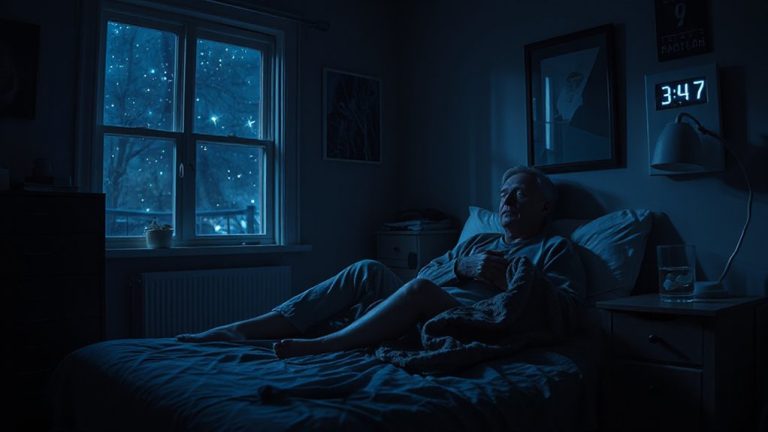
The Impact of Shift Work on Sleep Disorders: Understanding the Risks
You’re more likely to develop insomnia or worsen sleep apnea when working night or rotating shifts, as your body’s internal clock falls out of sync with natural light and darkness. Reduced melatonin at night disrupts sleep quality, increasing risks for long-term issues like diabetes and heart disease. Wearing sunglasses post-shift and using blackout curtains can help. Maintaining a consistent routine-even on days off-supports better rest. Choosing the right sleep aids and environment makes a difference in how well you recover. Solutions exist, and the right adjustments can improve how your body adapts over time.
Notable Insights
- Shift work disrupts circadian rhythms, reducing melatonin and impairing sleep quality and alertness.
- Night and rotating shifts increase risks for insomnia, sleep apnea, and excessive daytime sleepiness.
- Irregular sleep schedules worsen existing sleep disorders and contribute to chronic sleep deprivation.
- Long-term shift work is linked to metabolic issues, type 2 diabetes, and higher heart disease risk.
- Poor sleep hygiene, bright lights, and noisy environments amplify the negative health impacts of shift work.
How Shift Work Breaks Your Sleep Rhythm
While your body naturally follows a 24-hour cycle tied to light and darkness, working night shifts or rotating schedules forces you to stay awake when your body expects sleep and sleep when it’s primed for activity. This constant switch creates circadian misalignment, where your internal clock falls out of sync with actual day-night cues. As a result, your brain reduces melatonin production at night, leading to melatonin disruption that weakens sleep quality and alertness. You may find it harder to fall asleep, wake up often, or feel unrested despite enough hours in bed. These patterns don’t fix themselves quickly, even on days off. Managing light exposure, using blackout curtains, or considering timed melatonin supplements (after consulting a doctor) may help reset your rhythm. Small, consistent adjustments support better alignment, improving both sleep timing and overall well-being without relying on strong medications or unproven remedies.
Top Sleep Disorders From Shift Work
When your schedule regularly clashes with your body’s natural rhythm, you’re more likely to develop specific sleep disorders tied to shift work. Two of the most common are insomnia and sleep apnea. Insomnia makes it hard to fall or stay asleep, even when you have the chance after a night shift. Sleep apnea, on the other hand, causes breathing interruptions during sleep, leading to poor rest and daytime fatigue. Both conditions are worsened by irregular sleep times.
Here’s how these disorders impact shift workers:
| Disorder | Key Symptom |
|---|---|
| Insomnia | Difficulty falling asleep |
| Sleep apnea | Gasping or snoring at night |
| Shift-related | Excessive daytime sleepiness |
| Chronic issue | Reduced sleep quality |
Recognizing symptoms early helps you seek better sleep solutions.
Shift Work Sleep Disorder: Who’s Most at Risk?
Who’s really at risk for Shift Work Sleep Disorder? You might be if your schedule regularly includes night, rotating, or early morning shifts. Your body’s natural rhythm fights these hours, especially if you have a genetic predisposition to disrupted sleep patterns. That doesn’t mean you’re destined to struggle, but it does mean you should pay closer attention to sleep hygiene. Your work environment plays a big role too-bright lights at night, noise, or irregular break times can worsen symptoms. Jobs in healthcare, transportation, or manufacturing often come with these challenges. You can’t always change your shift, but you can improve your sleep space: blackout curtains, white noise machines, and consistent bedtimes help. Talk to your doctor about possible sleep aids, but try behavioral changes first. Monitoring how you feel over two weeks gives you real data to act on. A variety of noise masking options can significantly improve sleep quality for shift workers struggling with environmental disturbances.
How Night Shifts Increase Your Risk of Heart Disease and Diabetes
Working night shifts doesn’t just disrupt your sleep-it can also take a toll on your long-term health. You’re more likely to face metabolic disruption, which affects how your body processes sugars and fats. This happens because your body’s internal clock falls out of sync, a condition known as circadian misalignment. When your eating and sleeping times clash with your natural rhythms, your insulin response weakens and blood pressure rises over time. Studies show night shift workers have higher rates of type 2 diabetes and heart disease. Your body isn’t designed to stay active through the night regularly, and the strain builds up silently. Though sleep aids or adjusted routines might help you rest, they don’t fully reverse these deeper health risks. Understanding these effects helps you make informed choices about your schedule and long-term well-being.
How to Sleep Better After Night Shifts: Light Control, Napping, and Routine
What if you could actually rest well despite working nights? You can-by managing light, timing naps, and building a consistent routine. After a night shift, control light exposure by wearing sunglasses on your way home. This helps your body prepare for sleep. Keep your sleep environment dark, quiet, and cool. Use blackout curtains and white noise machines if needed. Best blackout curtains create optimal darkness for daytime sleep by blocking nearly all external light. Practice relaxation techniques like deep breathing or gentle stretching before bed to signal your body it’s time to rest. A short nap (20–30 minutes) before work can help, but long naps late in the day may disrupt nighttime sleep.
| Strategy | Benefit |
|---|---|
| Light control | Regulates circadian rhythm |
| Napping | Boosts alertness, reduces fatigue |
| Routine | Stabilizes sleep patterns |
Prioritize consistency, even on days off, to support long-term sleep health.
On a final note
You’re more alert when your sleep aligns with natural light, but shift work disrupts that rhythm, raising risks for insomnia and shift work sleep disorder. If you work nights, use blackout curtains, keep naps under 45 minutes, and stick to a consistent sleep schedule-even on days off. Consider light therapy or melatonin, but consult a doctor first. Most sleep aids require a prescription and work best with behavioral changes. A trial period and warranty details matter when trying new sleep solutions.