Sleep Apnea & Heart Disease: What Polysomnography Reveals
You’re at higher risk for heart disease if undiagnosed sleep apnea causes repeated oxygen drops during sleep, something polysomnography can detect. This test tracks your breathing, brainwaves, and oxygen levels to identify disruptions linked to cardiovascular strain. If you have high blood pressure, atrial fibrillation, or notice snoring and daytime fatigue, a sleep study could guide treatment with CPAP or oral devices. Early testing helps lower long-term heart risks and improves sleep quality. Choosing a home-based trial with warranty support makes starting easier-options exist to fit your needs quietly and effectively.
Notable Insights
- Sleep apnea causes oxygen drops and blood pressure spikes, increasing long-term heart disease risk.
- Polysomnography detects sleep disruptions, breathing irregularities, and oxygen desaturation linked to cardiovascular strain.
- Frequent arousals, reduced deep sleep, and REM disturbances correlate with heart rhythm abnormalities.
- Individuals with hypertension, atrial fibrillation, or post-stroke history should consider sleep studies.
- Early diagnosis via polysomnography enables effective treatment, reducing cardiovascular risk with CPAP or oral devices.
How Sleep Apnea Raises Heart Disease Risk
What if something as common as snoring could quietly raise your risk for heart problems? If you have sleep apnea, those pauses in breathing trigger oxygen desaturation, meaning your blood carries less oxygen each time you stop breathing. That strains your heart and causes repeated blood pressure spikes through the night. Over time, those spikes wear on your cardiovascular system, increasing strain on your arteries and heart muscle. You might not feel it happening, but the damage adds up. Sleep apnea’s effects are silent but significant. Treating it early-often with CPAP or oral devices-can reduce these risks by stabilizing breathing. These tools maintain airflow, preventing oxygen drops and smoothing out blood pressure swings. Choosing the right option depends on your comfort, lifestyle, and how well you adapt. Some devices offer built-in tracking, helping monitor progress. Most come with trial periods or warranties, letting you test what works.
Who Should Get a Sleep Study for Heart Health
If you’re already managing high blood pressure, have had a heart event, or live with conditions like atrial fibrillation, sleep apnea could be playing a hidden role in your cardiovascular health. You should consider a sleep study if you notice loud snoring, gasping at night, or daytime fatigue, even with what seems like decent sleep hygiene. These signs may point to disrupted breathing that affects your heart. A sleep study offers detailed cardiac monitoring, tracking heart rhythms and oxygen levels while you sleep. It’s especially useful if lifestyle changes haven’t improved your heart health. Your doctor might recommend one if you’re overweight, have a thick neck, or are post-menopausal. The process is non-invasive, usually done at home or in a lab. Results help guide treatment, like CPAP therapy, and support long-term heart protection.
How Sleep Studies Reveal Hidden Heart Risks
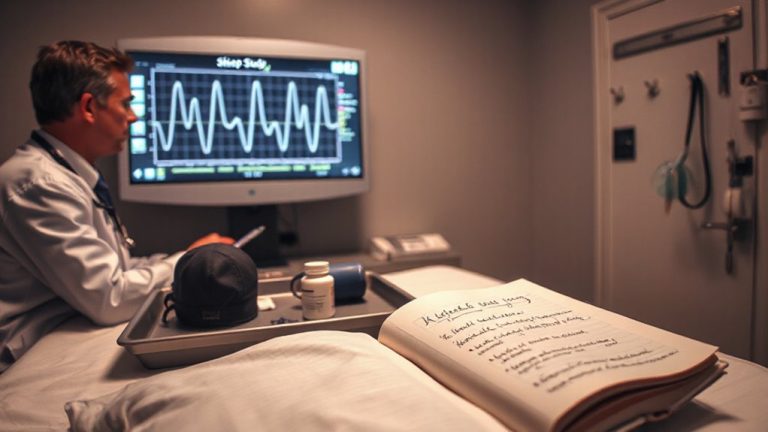
How often do you wake up tired, despite sleeping seven or more hours? A sleep study might reveal why. Through polysomnography, doctors analyze your sleep architecture-how you move through light, deep, and REM stages-spotting disruptions that strain your heart. Frequent pauses in breathing cause oxygen desaturation, where blood oxygen levels drop sharply. These dips stress your cardiovascular system overnight, raising long-term risks. The study records your brainwaves, breathing patterns, and oxygen levels, giving a clear picture of hidden dangers. Unlike guesswork, this data shows whether apnea or other disorders are at play. If results show issues, treatments like CPAP can help improve both sleep quality and heart health. Most sleep centers offer follow-up support and equipment trials. Warranties and adjustable settings make devices easier to use. Early detection means better prevention-so don’t ignore persistent fatigue.
Sleep Patterns That Signal Heart Trouble
A restless night doesn’t always mean poor sleep hygiene-certain sleep patterns may actually hint at underlying heart trouble. When your sleep stages are frequently disrupted, especially drops in deep sleep or REM, it can affect your heart rhythms. Irregular breathing, gasping, or sudden movements during the night might not just disturb rest-they may signal strain on the cardiovascular system. Polysomnography tracks these shifts, showing how your heart rhythms change with sleep stages. Frequent awakenings or a lack of consistent deep sleep can be early warnings. You don’t need to jump to conclusions, but if you notice these patterns often, it’s worth discussing with a doctor. Monitoring tools and sleep studies offer clear data, helping you understand connections between rest and heart health without guesswork. Early insight gives you time to make informed choices.
Treating Apnea to Improve Heart Health
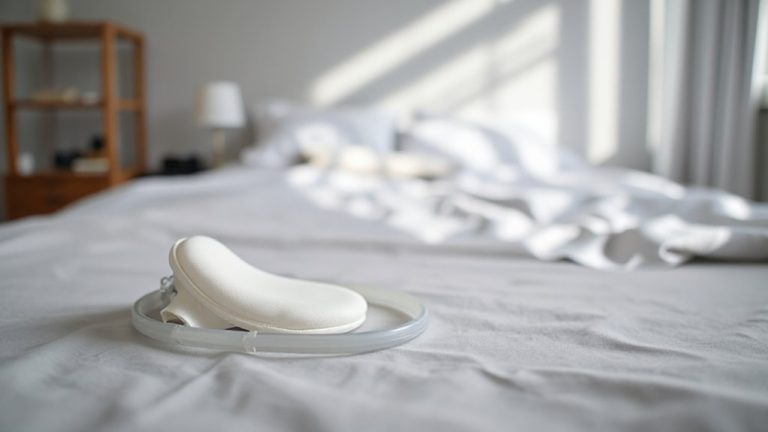
Treating sleep apnea isn’t just about quieter nights or feeling more rested-it can make a real difference in your heart health. When you use CPAP therapy consistently, you help maintain steady breathing, reduce strain on your heart, and lower blood pressure overnight. Good CPAP compliance means using the device most nights for the full sleep period, which boosts its protective effects. If your oxygen levels drop frequently, your doctor might add oxygen therapy to support heart and brain function. While CPAP machines are the first-line option, oxygen therapy can be helpful in specific cases, especially if lung issues are also present. You’ll need regular follow-ups to adjust settings and check performance. Some devices include built-in tracking to monitor usage and apnea events, helping you and your doctor evaluate progress. Trial periods and warranties vary, so check coverage before deciding. For side sleepers, using a CPAP pillow for side sleepers can improve comfort and adherence to therapy.
Why Early Sleep Testing Prevents Heart Disease
Many people overlook sleep testing until symptoms become severe, but catching issues early can substantially reduce your risk of heart disease. Detecting disruptions in neural activity during sleep helps identify conditions like apnea before they strain your cardiovascular system. Polysomnography reveals patterns tied to poor sleep hygiene, letting you make informed changes. Early testing guides choices about sleep aids, positioning devices, or lifestyle adjustments-with many clinics offering home-based trials and 30-day warranties on equipment.
| Factor | Benefit |
|---|---|
| Early detection | Lowers long-term heart strain |
| Neural activity monitoring | Identifies hidden disruptions |
| Sleep hygiene feedback | Improves rest quality |
| Polysomnography results | Supports effective treatment plans |
Addressing problems early enhances sleep quality and supports heart health, giving you clearer options for long-term wellness.
On a final note
You can lower your heart disease risk by recognizing sleep apnea early through a sleep study. If you snore, gasp at night, or feel overly tired, talk to your doctor about polysomnography. It detects breathing pauses and other issues that strain your heart. Treating apnea with CPAP or lifestyle changes often improves heart health. Most insurance covers testing, and home sleep studies offer a convenient option. Early action gives you better long-term outcomes.