How Sleep Specialists Collaborate With Psychiatrists for Comorbid Disorders
You’re seeing both a sleep specialist and psychiatrist because insomnia and depression often stem from shared imbalances in brain chemicals like serotonin and cortisol. They coordinate to track your sleep patterns and mood, using tools like sleep studies and mood logs. Combined treatments-like CBT-I and antidepressants-are tailored to your needs. Data from wearables and shared medical records help adjust therapy. This team approach improves outcomes, and there’s more to discover about how it works.
Notable Insights
- Sleep specialists and psychiatrists conduct joint evaluations to assess both sleep disturbances and mood disorders simultaneously.
- They collaborate on differential diagnosis by analyzing sleep patterns and psychiatric symptoms together.
- Combined treatment plans integrate CBT-I for insomnia and antidepressants for depression.
- Integrated care uses CPAP for sleep apnea and CBT for anxiety to improve sleep and mental health.
- Shared digital tools track sleep and mood data, enabling coordinated treatment adjustments.
How Insomnia and Depression Fuel Each Other
A restless mind can be just as draining as a sleepless night, and when insomnia and depression come together, they often make each other worse. You’re caught in a bidirectional relationship where poor sleep worsens mood, and low mood disrupts sleep patterns. This cycle is fueled by a neurochemical imbalance involving serotonin, dopamine, and cortisol, which affects both emotional regulation and sleep architecture. You may notice difficulty falling asleep or staying asleep, along with daytime fatigue and low motivation. Over time, these symptoms can deepen if not addressed together. Sleep aids might help short-term, but long-term improvement often requires treating both conditions. Cognitive strategies, consistent sleep routines, and medical guidance can support recovery. You’re not just fixing sleep-you’re stabilizing mood. Understanding this connection helps you make informed choices about treatment timing and type.
How Sleep and Psychiatry Teams Diagnose Together
When insomnia and depression keep feeding off each other, figuring out where to start treatment isn’t always clear-this is where sleep and psychiatry teams come in, working side by side to get a full picture. You’ll meet with both specialists, who review your history and track your sleep patterns to untangle the symptom overlap. This joint approach helps with accurate differential diagnosis, ensuring neither condition is missed or mistaken. They’ll ask about mood shifts, sleep onset, and daily fatigue-not in isolation, but together.
| Focus Area | Team Contribution |
|---|---|
| Sleep onset | Sleep specialist evaluates |
| Mood changes | Psychiatrist assesses |
| Nighttime awakenings | Both review patterns |
| Medication history | Shared decision making |
Together, they build a clearer understanding-no guesswork, just coordinated insight to guide your care path.
Treating Insomnia and Depression as a Unified Condition
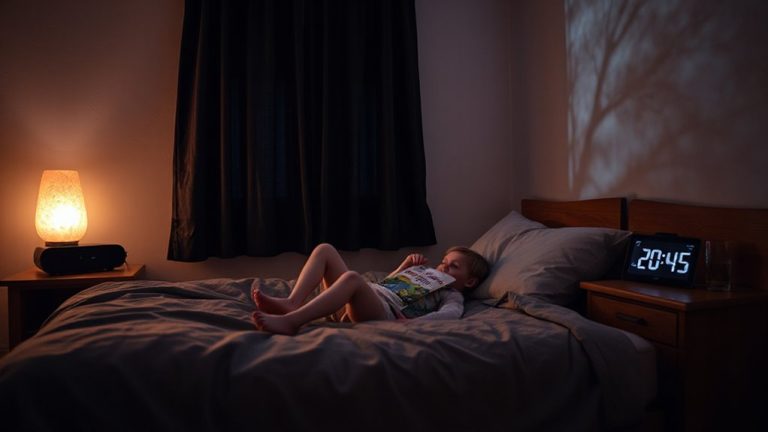
Why treat insomnia and depression as separate battles when they’re often two sides of the same struggle? You’re not just battling fatigue or low mood-you’re facing a shared root, like a neurotransmitter imbalance that disrupts both sleep and emotion. Treating them together means adjusting your sleep environment to support consistent, restful nights while also addressing brain chemistry with targeted therapies. A calm, dark, and cool sleep environment helps signal your brain that it’s safe to rest, which can ease depressive symptoms over time. Meanwhile, your care team might use combined treatments-like CBT-I and antidepressants-that correct imbalances without over-reliance on sleep aids. You’ll see better results when both issues are managed in sync, because improving sleep can lift mood, and stabilizing mood often deepens sleep. It’s a coordinated approach built on evidence, not guesswork.
Team Care for Anxiety and Sleep Apnea
Sleep troubles linked to anxiety and sleep apnea often overlap in ways you might not expect, making it harder to find relief when treated in isolation. A joint care approach helps you manage both effectively. Sleep specialists handle breathing issues with tools like continuous positive airway pressure (CPAP), while psychiatrists support emotional health using cognitive behavioral therapy (CBT). Together, they monitor progress and adjust treatment as needed. Below is how each focus improves your outcome:
| Focus Area | Tool or Therapy | Benefit |
|---|---|---|
| Breathing Support | Continuous positive airway pressure | Keeps airway open during sleep |
| Anxiety Management | Cognitive behavioral therapy | Reduces nighttime worry and fear |
| Sleep Quality | CPAP + CBT combined | Improves rest and reduces awakenings |
| Treatment Adherence | Shared medical follow-ups | Increases comfort and consistency |
| Long-term Success | Coordinated care plan | Supports lasting health improvements |
Shared Tools for Sleep and Mental Health Teams
How do care teams stay on the same page when treating both sleep apnea and anxiety? You use shared tools that link sleep tracking with mood monitoring. These systems let sleep specialists and psychiatrists view your breathing patterns, sleep stages, and rest quality alongside daily mood logs. When your data shows poor sleep efficiency and heightened anxiety symptoms, your team can spot trends fast. Many platforms sync wearable device data, like CPAP usage or nighttime awakenings, with mental health apps that track stress or emotional shifts. This integration helps both sides adjust treatments without guesswork. You get clearer feedback on how sleep aids affect your mental state, and how therapy impacts your rest. Tools often come with secure portals, so your providers collaborate smoothly. Most offer free trials and strong privacy protections, letting you test them with confidence.
Better Outcomes Through Collaborative Treatment Models
Success in managing both sleep apnea and anxiety often comes from coordinated care, not isolated treatments. You benefit most when sleep specialists and psychiatrists use integrated care models that support holistic approaches. These collaborations improve diagnosis accuracy, reduce treatment delays, and enhance sleep quality and emotional well-being. Consider how combined strategies work across disciplines:
| Treatment Factor | Collaborative Advantage |
|---|---|
| Diagnosis | Shared patient history improves accuracy |
| Therapy Planning | Joint decisions on CPAP and medication |
| Follow-up | Coordinated check-ins boost adherence |
| Patient Education | Unified messaging on sleep and mental health |
| Emergency Adjustments | Faster response to side effects or relapses |
You receive consistent guidance, reducing confusion. Integrated systems mean fewer missed symptoms and better long-term outcomes.
On a final note
You can improve outcomes by treating sleep and mental health together. When specialists collaborate, they address root causes, not just symptoms. You’ll get coordinated care-therapy, medication, and lifestyle changes-tailored to your needs. Tools like CBT-I and sleep studies help pinpoint issues. Always discuss risks, benefits, and trial periods with your care team. Shared plans often mean better adherence, fewer side effects, and lasting results. Consider integrated approaches when facing comorbid conditions-they’re evidence-based and designed for real-world effectiveness.