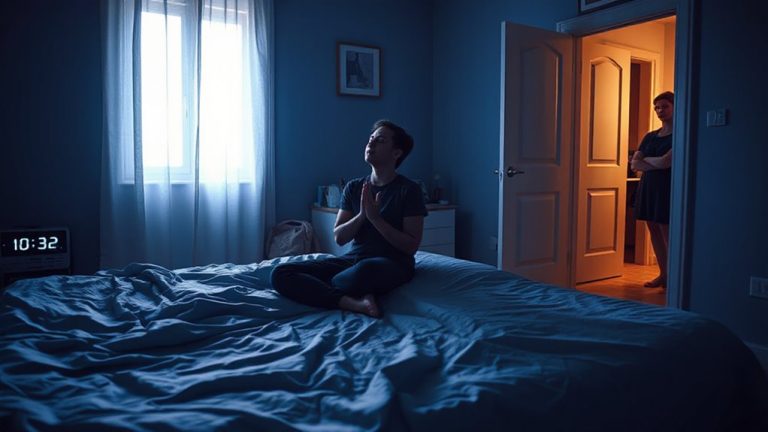
Why Doctors Avoid Long-Term Benzodiazepine Prescriptions for Insomnia
You might feel better at first, but benzodiazepines lose effectiveness over time as your brain adapts. This leads to tolerance, meaning you’ll need higher doses, and raises the risk of dependence. Long-term use can impair memory, attention, and even increase health risks like diabetes. Doctors prefer safer, lasting solutions like CBT-I, which rewires sleep habits without pills. There’s more to learn about why non-drug options often work better over time.
Notable Insights
- Benzos lose effectiveness over time due to tolerance, requiring higher doses for the same sleep benefits.
- Long-term use increases risk of physical dependence and severe withdrawal symptoms upon discontinuation.
- They are linked to cognitive decline, especially in older adults, affecting memory and attention.
- Chronic use may contribute to metabolic issues like weight gain, diabetes, and cardiovascular problems.
- Non-drug treatments like CBT-I offer safer, longer-lasting improvements without dependence or side effects.
How Benzos Treat Insomnia (And Why That’s Limited)
While benzos can help quiet a racing mind and make falling asleep easier, they’re usually not a long-term fix because your body starts relying on them over time. Their mechanism of action involves boosting GABA, a calming brain chemical, which slows nervous system activity and helps you relax. This makes them effective for short-term relief, showing clear short term efficacy for acute insomnia. You might fall asleep faster and stay asleep longer at first. But after a few weeks, your brain adjusts, and the same dose may stop working as well. That means you might need more to get the same effect, raising the risk of dependence. Doctors often suggest these only for brief use, typically under two weeks, to avoid building tolerance. They’re practical when used briefly but limited by how your body adapts. Alternatives like CBT-I or sleep hygiene changes often support longer-lasting improvement.
Why Benzos Aren’t Safe for Long-Term Sleep
Because your brain adapts to the effects of benzodiazepines over time, using them regularly for sleep can lead to tolerance, meaning you’ll need higher doses to get the same results. This increases the chance of side effects and makes stopping harder due to withdrawal risks. Symptoms like rebound insomnia, anxiety, and even seizures can occur if you quit too quickly. Long-term use has also been linked to cognitive decline, affecting memory, focus, and daily functioning, especially in older adults. While benzos may help short-term, their long-term safety profile is less favorable compared to other sleep aids. Non-drug options like cognitive behavioral therapy for insomnia (CBT-I) offer lasting benefits without these trade-offs. If you’re considering treatment, discuss alternatives with your doctor to balance effectiveness, risks, and long-term brain health.
How Dependence and Tolerance Develop on Benzodiazepines
When you take benzodiazepines regularly, your brain starts to adapt to their presence by adjusting the activity of certain neurotransmitters, especially GABA, which calms nerve signaling. Over time, neuroadaptation mechanisms reduce your brain’s natural response to stress and sleep challenges. One key change is receptor downregulation-your GABA receptors become less sensitive or fewer in number. That means the same dose won’t have the same effect, leading to tolerance. You might feel the need to increase the dose to fall asleep, but that speeds up dependence. Your body begins to rely on the drug just to function normally. Stopping suddenly can bring rebound insomnia or anxiety. These changes happen gradually, often without obvious signs. Recognizing early signs of tolerance helps you and your doctor decide if adjusting treatment is needed. It’s part of how benzodiazepines lose effectiveness over time.
How Long-Term Use Harms Brain and Body
You’ve likely noticed how benzodiazepines can lose their edge over time, and that’s tied to the way your brain adapts with regular use. With continued use, you may experience neurocognitive decline, affecting memory, attention, and processing speed. Your thinking might feel foggy, or you could struggle to recall information quickly-changes that sometimes persist even after stopping the medication. Long-term use also brings metabolic disruption, altering how your body regulates weight, blood sugar, and cholesterol. These shifts increase risks for conditions like diabetes or heart disease over time. While benzos might help short-term, their long-term impact on brain and body function gives doctors pause. You’re not alone in weighing sleep solutions-many find that understanding these effects helps them consider alternatives with fewer lasting risks.
Why CBT-I Beats Benzos for Chronic Insomnia
While benzodiazepines might offer short-term relief for sleep troubles, they don’t address the underlying patterns that keep you awake, and over time, the risks often outweigh the benefits. Cognitive Behavioral Therapy for Insomnia (CBT-I) works differently by targeting the habits and thoughts that disrupt your rest. It includes sleep hygiene education-helping you adjust your routine and environment for better sleep. Cognitive restructuring helps you reframe anxious or negative thoughts about sleep that can fuel insomnia. Unlike benzos, CBT-I doesn’t rely on medication, so there’s no risk of dependence or daytime drowsiness. Studies show its effects last longer, often improving sleep for months after treatment ends. It’s structured, usually lasting 6–8 sessions, and can be done in person or online with guided programs. Many people see results without ongoing costs or prescriptions.
Doctor-Approved Alternatives to Benzos for Insomnia
What if you could improve your sleep without medication at all? Many doctors recommend starting with sleep hygiene-simple, effective habits like keeping a consistent bedtime, avoiding screens before bed, and limiting caffeine. These changes support your body’s natural sleep cycle. You might also try relaxation techniques such as deep breathing, progressive muscle relaxation, or mindfulness meditation, which can calm your mind and reduce nighttime anxiety. Unlike benzos, these methods carry no risk of dependence and can be used long-term. Cognitive behavioral therapy for insomnia (CBT-I) combines these strategies with targeted thinking exercises and has strong evidence behind it. Most health plans now cover CBT-I through telehealth, often with free trials. While results take a few weeks, the benefits last longer than medication. You can build better sleep, slowly and safely. A growing number of people find success with best sleep meditation tools to support relaxation and improve sleep quality naturally.
On a final note
You can use benzodiazepines short-term for insomnia, but long-term use raises risks of dependence, tolerance, and cognitive side effects. Your doctor may suggest alternatives like CBT-I, which improves sleep without medication. Other approved options include certain non-benzodiazepine sedatives with lower risk profiles. Most work best when combined with sleep hygiene changes. Talk to your provider about duration, monitoring, and taper plans if you’re considering treatment.