Outdoor Activities & Circadian Rhythms in ADHD Children | Sleep Guide
You can help reset your child’s circadian rhythm by scheduling regular outdoor activities, especially in the morning. Natural light soon after waking stops melatonin production, helping them feel alert and aligning their internal clock. Morning and early afternoon time outside-like nature walks or garden play-supports better sleep onset and mood. Replacing evening screen time with calm outdoor moments reduces blue light exposure and eases the shift to bedtime. Consistent outdoor routines offer a low-cost, side-effect-free way to improve sleep without medication, with benefits growing over time. You’ll discover specific activities that match your family’s rhythm and needs.
Notable Insights
- Children with ADHD often experience delayed melatonin release, disrupting sleep and circadian rhythms.
- Morning outdoor light exposure helps reset the internal clock by suppressing melatonin and boosting alertness.
- Daily 20–30 minute morning nature activities align circadian rhythms and improve focus and mood.
- Replacing evening screen time with outdoor time reduces blue light exposure and supports melatonin onset.
- Regular outdoor routines like forest bathing or nature walks lower stress and enhance sleep quality in ADHD children.
How ADHD Disrupts Kids’ Sleep and Circadian Rhythms
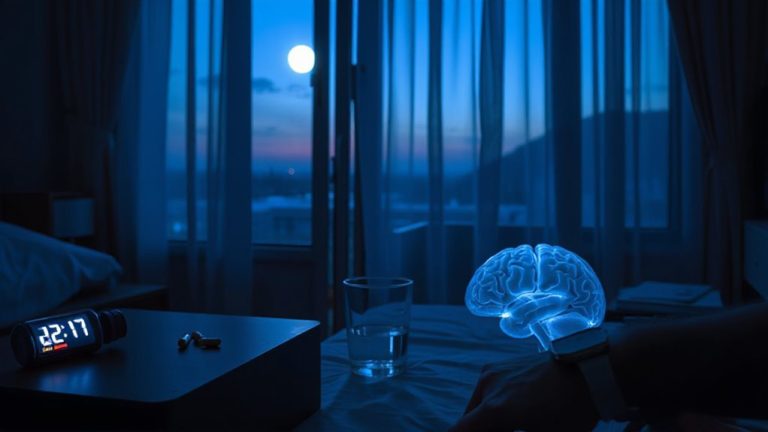
One in three kids with ADHD struggles with falling asleep, staying asleep, or waking up on time, largely due to how the condition affects the brain’s internal clock. You might notice your child has trouble with sleep onset, taking much longer than peers to wind down at night. This delay often ties to a shift in melatonin release-known as melatonin delay-where the hormone kicks in later, pushing sleep time back. As a result, mornings become harder, and routines suffer. This misalignment doesn’t mean poor habits; it’s a biological rhythm issue. Light exposure, consistency, and timing play key roles in addressing it. While sleep aids exist, understanding the root-circadian disruption-helps you weigh options wisely. Behavioral strategies often come first, with medical support when needed. Observing patterns helps determine what adjustments may work best over time.
Why Morning Light Helps Reset ADHD Sleep Cycles
You’re not imagining it if mornings feel harder for your child with ADHD-delayed melatonin release often shifts their internal clock, making it tough to fall asleep early and wake up on time. Morning light exposure helps correct this by signaling the brain to stop producing melatonin, aligning their circadian rhythm with the day-night cycle. Natural light, especially within an hour of waking, boosts alertness and supports healthier sleep patterns over time. It also aids dopamine regulation, which influences focus and mood-key challenges in ADHD. Unlike screens, which can disrupt rhythms later in the day, morning outdoor light offers a simple, no-cost way to reset the body’s clock. Consistent timing increases effectiveness, so aim for 20–30 minutes daily. This non-invasive approach avoids sleep aids and their side effects, giving families a reliable starting point when addressing sleep disorders.
Nature Play and Outdoor School Programs That Improve Sleep
While structured routines help, incorporating nature play and outdoor school programs can make a meaningful difference in improving sleep for children with ADHD. These experiences support circadian regulation through natural light and calming sensory exploration. Activities like forest bathing-mindful time in nature-reduce hyperactivity and ease the shift to sleep. Schools integrating daily outdoor time report improved focus and bedtime routines.
| Activity | Benefit |
|---|---|
| Forest bathing | Lowers stress, aids sleep onset |
| Nature scavenger hunts | Encourages sensory exploration |
| Outdoor storytelling | Calms mind before shifts |
| Garden planting | Builds routine and focus |
| Nature walks | Supports circadian rhythm alignment |
Programs combining movement, attention to natural details, and consistent timing offer measurable improvements. Sensory exploration in green spaces helps modulate nervous system responses tied to sleep quality. You might consider schools or programs emphasizing nature-based engagement as part of a broader strategy for managing ADHD-related sleep challenges. Evidence supports its role alongside other established approaches.
Schedule Outdoor Time to Improve ADHD Sleep
How can something as simple as being outside make a real difference in your child’s sleep? Scheduling regular outdoor time helps regulate circadian rhythms by exposing your child to natural light, especially in the morning and early afternoon. This exposure strengthens the body’s internal clock, making it easier to fall asleep at night. Activities like forest bathing-slow, mindful time in wooded areas-can reduce hyperactivity and lower stress hormones, setting the stage for better rest. Adventure therapy, which includes structured outdoor challenges, also supports improved sleep patterns by increasing physical exertion and mental engagement. Both approaches are non-invasive and carry no side effects, unlike some sleep aids. You can start with 30–60 minutes daily, adjusting based on your child’s response. Consider these methods part of a consistent routine, and monitor changes in sleep onset and quality over a few weeks.
Replace Evening Screens With Outdoor Time
Natural light exposure earlier in the day sets a foundation for better sleep, but shifting some of that outdoor time to the evening-instead of screen use-can further support your child’s circadian rhythm. You can try screen reduction by replacing tablet or TV time with a short walk, backyard play, or even sitting outside. This activity substitution helps lower blue light exposure, which often delays melatonin release. As natural light fades in the evening, your child’s body gets clearer cues for winding down. Even 20–30 minutes outside can make a difference in sleep onset and quality. Unlike sleep aids, which may carry side effects or dependency risks, outdoor time is a low-cost, natural option. It doesn’t require special equipment or a warranty, just consistency. While results may take a few weeks to become noticeable, many families observe improved sleep patterns with regular use. Consider it a practical trial in your child’s daily routine.
Build a Nature-Based Routine for Better ADHD Sleep
If you’re looking for a sustainable way to support your child’s sleep without relying on sleep aids, establishing a consistent nature-based routine can make a meaningful difference. Start by scheduling daily outdoor time, even if it’s just 20 minutes. Activities like forest bathing-slow, mindful walks in green spaces-help regulate circadian rhythms naturally. The calm sensory input reduces overstimulation common in ADHD. Pair this with sensory grounding techniques, such as walking barefoot on grass or touching tree bark, to enhance focus and relaxation. Consistency matters: aim for the same time each afternoon or early evening. Over weeks, you may notice faster sleep onset and fewer nighttime awakenings. Unlike sleep aids, these methods carry no side effects and support long-term self-regulation. It’s low-cost, accessible, and easy to adjust. Try tracking sleep patterns for four weeks to assess changes.
On a final note
You can help reset your child’s circadian rhythm by scheduling consistent outdoor time, especially in the morning. Natural light and physical activity regulate sleep patterns more safely than sleep aids. Replacing evening screens with time outside improves sleep onset without side effects. Programs with structured nature play offer routine and rhythm. These strategies are easy to try, often free, and come with long-term benefits for focus and mood-worth a four-week trial to see results.