Circadian Rhythm Disorders and Chronic Fatigue Syndrome: Exploring Connections and Treatment Options
You’re more likely to develop chronic fatigue syndrome if your circadian rhythm stays disrupted over time, especially from shift work or irregular sleep. Poor sleep timing affects your immune and nervous systems, leading to fatigue, brain fog, and low energy. Light therapy in the morning and melatonin at night can help reset your body clock. Sticking to a consistent sleep schedule and reducing evening screen time improves results. More options are worth exploring.
Notable Insights
- Circadian rhythm disorders and CFS share overlapping symptoms like fatigue, sleep disturbances, and cognitive dysfunction.
- Disrupted circadian regulation may contribute to the development or worsening of chronic fatigue syndrome.
- Light therapy in the morning helps reset the body clock and improve sleep-wake alignment in both conditions.
- Low-dose melatonin taken before bedtime can support circadian rhythm regulation and enhance sleep quality.
- Consistent sleep schedules, light management, and behavioral strategies are key to managing both disorders effectively.
What Are Circadian Rhythm Disorders and CFS?
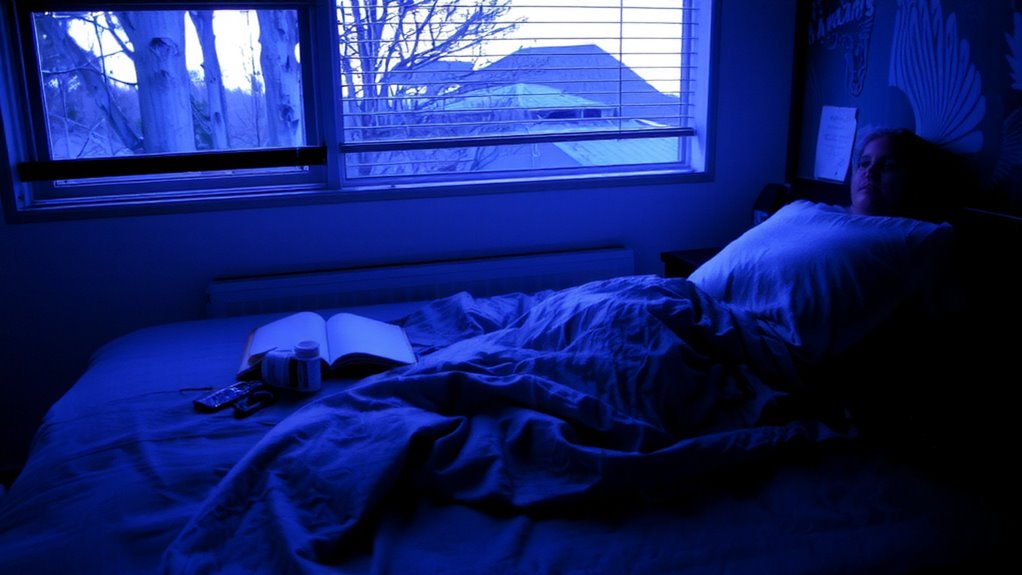
Ever wonder why some people feel wide awake at night while struggling to get out of bed in the morning, or why fatigue lingers no matter how long they sleep? You might be dealing with circadian rhythm disorders or chronic fatigue syndrome (CFS). These conditions disrupt your body’s natural sleep-wake cycle, often due to genetic predisposition or a hormonal imbalance affecting cortisol and melatonin levels. Circadian disorders shift your sleep timing, making rest feel out of sync. CFS, meanwhile, brings persistent exhaustion not relieved by sleep. Both can impair daily function, but symptoms vary widely. Diagnosis usually involves sleep logs, actigraphy, or blood tests to rule out other causes. Treatments focus on light therapy, melatonin supplements, or structured sleep scheduling. While no cure exists, consistent routines and medical guidance can help manage symptoms. Always consult a healthcare provider to explore options tailored to your needs.
Is Your Fatigue Caused by a Disrupted Body Clock?

You’re not alone if you wake up feeling drained despite sleeping for hours. Poor sleep quality could signal a disrupted body clock, not just insomnia. Your circadian rhythm helps control energy levels, hormone release, and body temperature. When it’s off, even long sleep durations won’t restore you. You might notice trouble falling asleep, waking too early, or daytime fatigue without clear cause. Shift work, irregular schedules, or screen exposure at night can worsen this. Consider tracking your sleep patterns for two weeks-it helps spot inconsistencies. Sleep diaries or wearable trackers can assess sleep quality and daily energy levels. While sleep aids may offer short-term relief, they don’t fix timing issues. Consulting a doctor allows evaluation for circadian disorders or chronic fatigue syndrome. Treatments vary, so review options with clear goals: better rhythm, not just more sleep.
How Light and Melatonin Reset Your Sleep-Wake Cycle
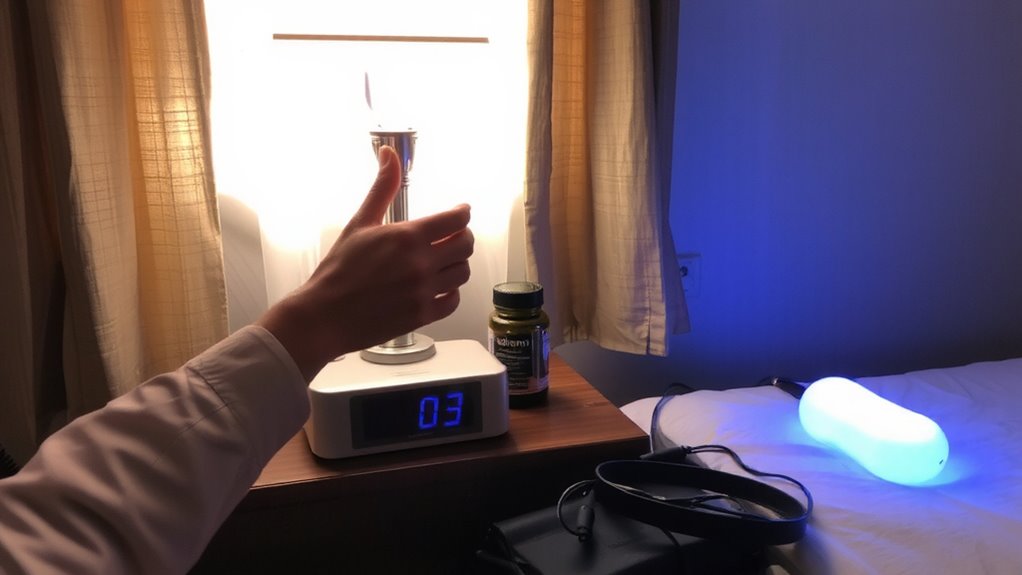
What if the key to steady energy and sound sleep lies in something as simple as timing your light exposure and melatonin use? Light acts as a powerful signal to your brain, helping reset your internal clock each day. Morning light therapy, especially within an hour of waking, can strengthen your rhythm and improve alertness. Using a light box for 20–30 minutes daily delivers consistent brightness without UV rays. Conversely, dimming lights in the evening supports natural wind-down. Melatonin timing matters just as much-taking it 1–2 hours before bedtime aligns with your body’s needs. Low doses (0.3–3 mg) are often effective and reduce next-day grogginess. Combined, proper light therapy and melatonin timing can gradually shift your sleep-wake cycle into healthier alignment, supporting better sleep without dependency. Trial periods of 1–2 weeks help gauge effectiveness. For those seeking non-pharmaceutical support, using a best sleep therapy lamp can enhance circadian regulation through optimized light exposure.
Immune and Nerve Dysfunction in Circadian Fatigue
When your circadian rhythm stays off track long enough, it doesn’t just disrupt sleep-it can throw your immune system and nervous system out of sync, too. You might start noticing signs of autoimmune inflammation, like joint pain or flare-ups of underlying conditions, because your body’s defense system becomes overactive at the wrong times. At the same time, neurological dysregulation can affect mood, focus, and nerve signaling, leaving you feeling foggy or fatigued even after rest. These disruptions feed into a cycle where poor sleep weakens immune control and nerve function, which then worsens sleep quality. It’s not just about feeling tired-it’s about how your body’s internal systems lose coordination. Recognizing this link helps you prioritize consistent sleep schedules and light exposure. While no quick fix exists, understanding these effects supports smarter choices about sleep aids or medical guidance.
Effective Therapies for Circadian Rhythm Reset
Though resetting your circadian rhythm can feel intimidating, starting with consistent, timed exposure to light and darkness often brings the most reliable results. Morning sunlight or bright light therapy within an hour of waking helps anchor your internal clock, while minimizing blue light at night supports melatonin release. This balance aids hormonal synchronization, aligning cortisol and melatonin cycles with your environment. Gradually shifting bedtime-by 15 to 30 minutes daily-can ease your schedule into better alignment, a process known as chronotherapy optimization. Devices like dawn simulators or red-light lamps support this shift without strain. Consistency matters most, even on weekends. Though results vary, most notice improved sleep drive and daytime alertness within two to four weeks. You don’t need supplements or sleep aids to begin-just timing, patience, and routine. Track progress with a sleep log to assess what’s working. Some individuals may also benefit from best supplements for deep sleep to further support restorative rest.
Lifestyle Fixes to Reduce Fatigue and Improve Sleep
Building on the routine you’re establishing to reset your internal clock, small but consistent lifestyle adjustments can further reduce fatigue and improve sleep quality over time. Paying attention to diet timing helps align your body’s metabolism with your circadian rhythm-try eating meals at roughly the same times each day and avoid heavy foods close to bedtime. Stress management is equally important; practices like gentle stretching, mindful breathing, or journaling can quiet your mind before sleep. Limit screen exposure in the evening and create a calming bedtime ritual to signal your body it’s time to wind down. Regular physical activity during daylight hours supports deeper rest at night. These changes don’t require perfection-consistency matters more than intensity. When combined, diet timing and stress management work together to stabilize energy levels and strengthen sleep patterns without relying on sleep aids. Incorporating proven sleep relaxation techniques can significantly enhance the effectiveness of these lifestyle changes.
When to See a Doctor: Diagnosis and Treatment Options?
Could it be more than just poor sleep habits if you’ve tried lifestyle changes and still feel exhausted most days? It might be time to see a doctor. A healthcare provider can check for circadian rhythm disorders or chronic fatigue syndrome through a detailed history, physical exam, and possibly sleep studies. These studies track your brain activity, breathing, and movement at night to pinpoint disruptions. Your doctor may also do a medication review to see if any prescriptions or supplements are affecting your sleep. Treatment options depend on the diagnosis but might include light therapy, melatonin, or adjusted sleep schedules. Some find relief with behavioral therapy or short-term sleep aids. Most treatments require a few weeks to show results, so patience and follow-up are key. Early diagnosis often leads to better management.
On a final note
You can improve sleep and reduce fatigue by aligning your body clock with light cues and melatonin. Simple lifestyle changes-like morning sunlight exposure and consistent bedtimes-help reset rhythms. If symptoms persist, consult a doctor to rule out CFS or other disorders. Treatments such as light therapy lamps or timed melatonin supplements are effective, often covered under wellness plans, and worth trying under guidance.