Circadian Rhythm Disorders and Mental Health: The Interplay Between Sleep Quality and Psychological Well-Being
When your sleep schedule shifts just an hour or two off track, it can weaken emotional resilience and raise anxiety or sadness over time. Disrupted circadian rhythms affect melatonin and cortisol, increasing irritability and stress. Shift work, blue light at night, or irregular bedtimes often play a role. CBT, morning light exposure, and consistent habits help reset your body clock. You’ll find practical steps to improve both sleep and mood just ahead.
Notable Insights
- Disrupted circadian rhythms weaken emotional resilience, increasing risks for anxiety, depression, and mood instability.
- Poor sleep quality impairs stress regulation, leading to irritability, low motivation, and cognitive difficulties.
- Shift work and nighttime blue light exposure delay melatonin release, misaligning the body clock and harming mental health.
- Genetic and hormonal factors can predispose individuals to circadian rhythm disorders and associated psychological symptoms.
- Combining light therapy, consistent sleep schedules, and CBT effectively realigns circadian rhythms and improves psychological well-being.
How Poor Sleep Drives Anxiety and Depression
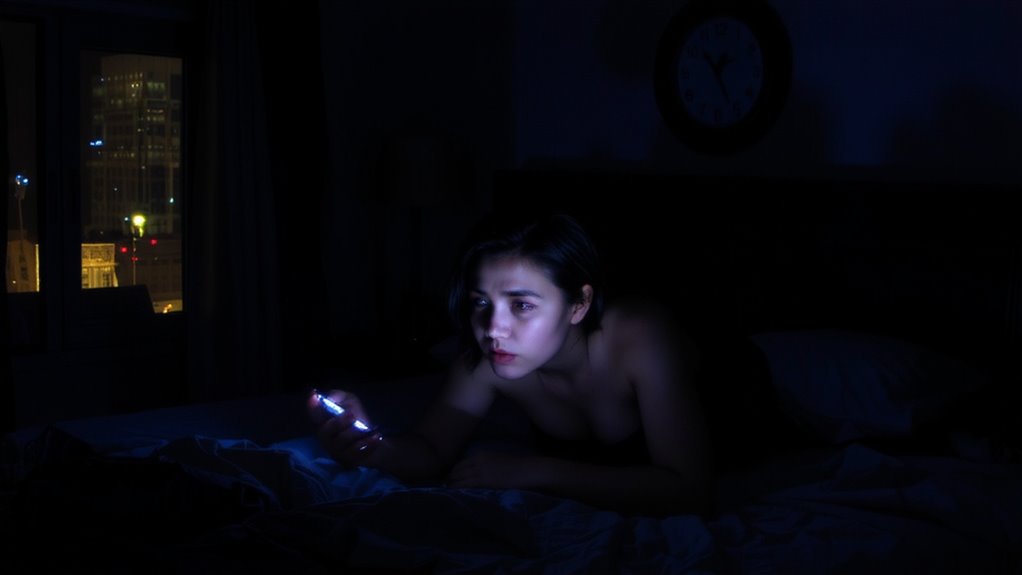
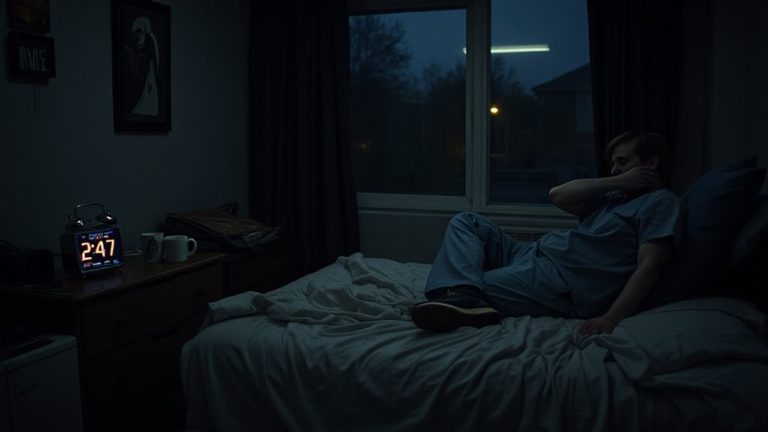
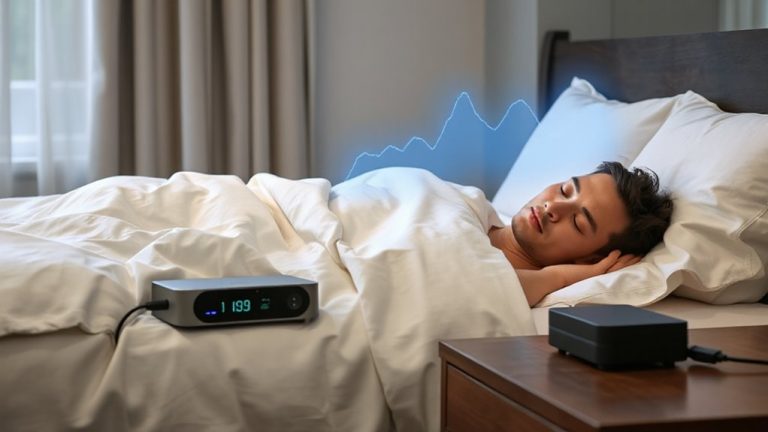
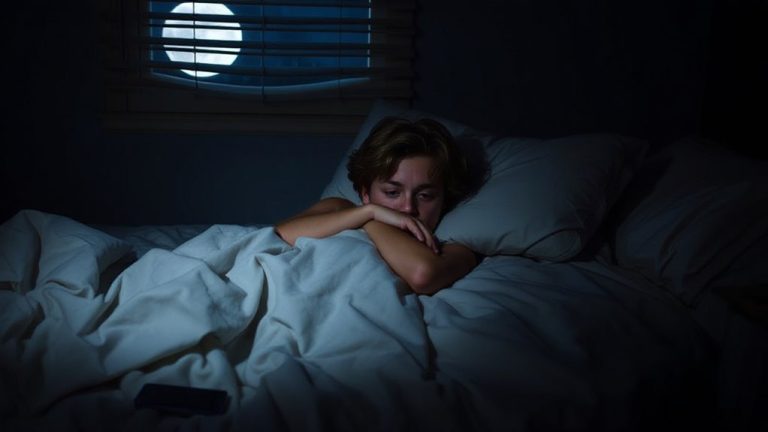
While you might not realize it, the quality of your sleep has a direct impact on your mood and mental clarity, and when your circadian rhythm is off, even by just an hour or two each night, it can begin to amplify feelings of anxiety or sadness over time. Sleep fragmentation-when your rest is frequently interrupted-reduces deep sleep stages, weakening emotional resilience. Without consistent, restorative sleep, emotional dysregulation becomes more common, making it harder to manage stress or bounce back from setbacks. You may notice irritability, low motivation, or trouble focusing during the day. Over time, these patterns increase the risk for anxiety and depression. Addressing disruptions early-through consistent bedtimes, limiting screen use at night, or exploring sleep aids with clear trial periods-can help maintain balance. Look for options with adjustable settings and solid warranties, so you can test what works without pressure. Small, informed changes often lead to better nights and steadier moods. A high-quality bedside sound machine can support consistent sleep by masking disruptive noises and promoting a calming bedtime environment.
What Causes Circadian Rhythm Disorders?
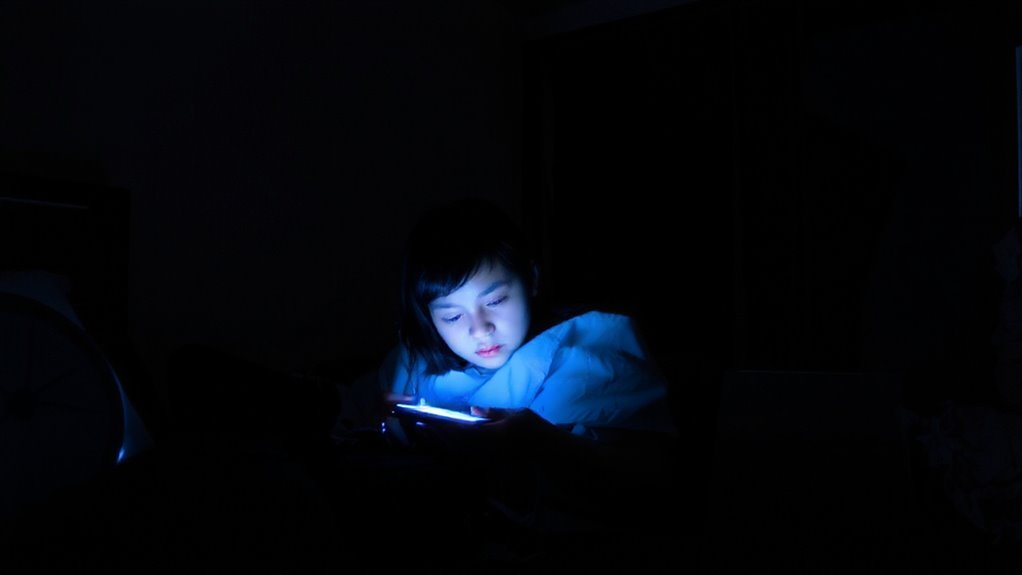
Why does your sleep schedule feel so hard to maintain, even when you’re trying? Circadian rhythm disorders often stem from a mix of factors that disrupt your body’s internal clock. Your genetic predisposition can make you more vulnerable, meaning your family history plays a role. A hormonal imbalance, especially in melatonin or cortisol, further skews sleep timing. Lifestyle choices like irregular bedtimes or night shift work deepen the disruption.
| Cause | Impact on Sleep |
|---|---|
| Genetic predisposition | Increases sensitivity to circadian shifts |
| Hormonal imbalance | Alters natural sleep-wake signals |
| Light exposure at night | Delays melatonin release |
| Shift work | Misaligns internal clock with environment |
Understanding these causes helps you make informed choices about sleep routines or potential treatments.
Could You Have a Sleep-Wake Cycle Disorder?
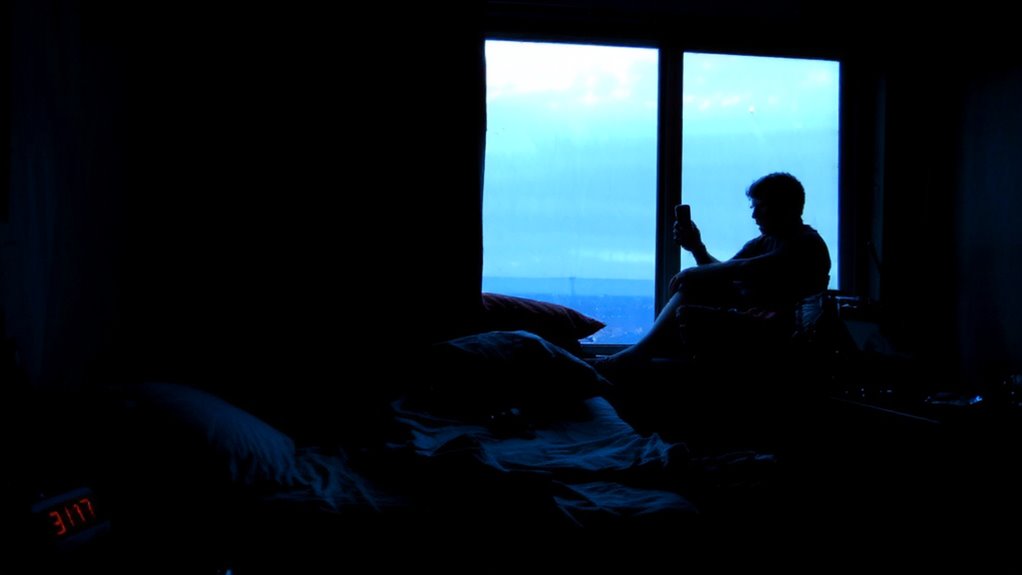
How do you know if your sleep issues go beyond just staying up too late? If you consistently struggle to fall asleep or wake up at socially acceptable times, even when you try, you might have a sleep-wake cycle disorder. These aren’t just habits-they can stem from genetic predisposition or hormonal imbalance, affecting your body’s internal clock. You may feel tired during the day but alert at night, despite good sleep hygiene. Symptoms lasting weeks or longer suggest it’s more than poor routine. Some people inherit circadian rhythm disruptions, while others develop them due to underlying health conditions. Tracking your sleep patterns over 1–2 weeks can help identify irregularities. A doctor might assess melatonin levels or recommend a sleep study. Treatments like light therapy, melatonin supplements, or behavioral strategies are often effective, with most approaches backed by research and offering trial periods to gauge success. Creating a completely dark sleep environment can also support circadian regulation, and using best blackout curtains may improve both sleep quality and duration.
How Shift Work and Blue Light Wreck Your Mood
If your schedule regularly forces you to stay awake at night or sleep during the day, your mood and mental health might pay the price over time. Night shifts disrupt your body’s natural rhythm, making it harder to feel alert or rest deeply. This constant misalignment can leave you feeling irritable, fatigued, or down more often. On top of that, evening screen exposure-especially from phones, tablets, or computers-emits blue light that tricks your brain into thinking it’s still daytime. That delays melatonin release, the hormone that helps you fall asleep. Over time, poor sleep quality from shift work and screen exposure may worsen anxiety or low mood. Limiting screen time before bed and using dim, warm lights at night can help your body adjust. Blackout curtains and consistent sleep routines also support better alignment, even with irregular hours. Upgrading to high-quality best blackout curtains can significantly enhance sleep darkness and improve circadian regulation.
Proven Treatments for Sleep and Mental Health
You’ve likely noticed how disrupted sleep affects your mood, especially if night shifts or screen use have thrown off your rhythm. The good news is, proven treatments can help reset your body’s clock and improve mental health. Cognitive behavioral therapy (CBT) targets negative thought patterns around sleep, helping you develop healthier habits. Light exposure therapy uses timed bright light to retrain your circadian rhythm, especially useful for shift workers or those with delayed sleep phase disorder. Both are non-invasive and backed by research. Here’s how they compare:
| Treatment | How It Works | Typical Duration |
|---|---|---|
| Cognitive behavioral therapy | Addresses thoughts and behaviors affecting sleep | 6–8 weekly sessions |
| Light exposure therapy | Uses bright light to reset internal clock | 30 mins daily, morning |
| CBT + light therapy | Combines both approaches | 6–8 weeks |
| Over-the-counter aids | Short-term sleep support | Varies, not for long use |
| Prescription medication | For diagnosed disorders | As directed, monitored |
Choose based on your lifestyle and needs.
Daily Habits to Fix Your Body Clock
A consistent daily routine can quietly reset your body’s internal clock, making it easier to fall asleep and wake up at regular times. You’ll benefit from getting morning sunlight as early as possible-around 15 to 30 minutes outside within an hour of waking helps signal your brain that it’s time to be alert. This exposure strengthens your circadian rhythm over time. Eating consistent meals at roughly the same times each day also supports this natural timing system, especially when breakfast follows morning light. Avoid skipping meals or eating late, as irregular patterns can confuse your body’s clock. Physical activity during daylight hours adds further alignment. These habits work gradually, so sticking with them even on weekends improves results. No special tools or products are needed, just daily repetition. Over weeks, you may notice clearer energy shifts and better sleep timing-without relying on sleep aids.
When to See a Doctor for Sleep and Mood Issues
Sticking to a steady daily routine can make a real difference in how well your body clock runs, and many people find their sleep and mood improve just by aligning with natural light and meal rhythms. But if you’ve tried consistent habits for weeks and still struggle with low energy, irritability, or trouble sleeping, it might be time to see a doctor. Persistent issues could point to a circadian rhythm disorder or problems with mood regulation. A healthcare provider can assess your symptoms, rule out medical causes, and suggest options like light therapy or sleep therapy tailored to your needs. These treatments help reset your internal clock and support better sleep quality. Don’t wait if sleep problems affect your daily life-early care can make treatment more effective. Some therapies come with adjustable settings and come with trial periods, so you can test what works. Your well-being is worth it.
On a final note
You might not realize how much your sleep affects your mood. Poor circadian rhythms can worsen anxiety and depression, but small changes help. Fixing your body clock with light exposure, consistent sleep times, and limiting blue light improves both sleep and mental health. Not all treatments work the same, so track symptoms and consult a doctor if issues persist. Some use sleep aids temporarily, but they’re not long-term fixes.