Chronobiology 20.0: Exploring the Future of Individualized Sleep Solutions Through Emerging Research
You’re already shaping your sleep with Chronobiology 2.0, using genetic insights to understand your natural rhythm and sleep architecture. DNA tests reveal your chronotype and melatonin patterns, helping tailor bedtimes, light exposure, and even sleep aids. Wearables track heart rate, temperature, and movement to give real-time feedback on your circadian alignment. AI tools adjust your schedule based on this data, while smart lighting systems support melatonin cycles with timed blue light shifts. Many devices offer trials and warranties, making it easier to test what works-there’s more to discover about optimizing your rest from within.
Notable Insights
- Genetic testing identifies circadian gene variants like PER3 to personalize sleep timing and optimize restorative sleep stages.
- Wearables provide real-time circadian monitoring through HRV, temperature, and movement data for precise sleep insights.
- AI-driven sleep coaches adapt bedtimes using biometric feedback, improving alignment with individual alertness patterns.
- Dynamic lighting systems use blue light modulation to support melatonin cycles based on personal chronotype data.
- Integrated sleep platforms combine DNA insights, wearables, and AI to enable proactive management of circadian rhythm disorders.
What Is Chronobiology 2.0 and Why It’s Changing Sleep
Ever wonder why your friend thrives on 6 hours of sleep while you’re exhausted after 8? It’s not just habit-it’s rooted in your unique sleep architecture and melatonin dynamics. Chronobiばかり prevents overrun
Your Genes and Chronobiology 2.0: The Sleep Blueprint
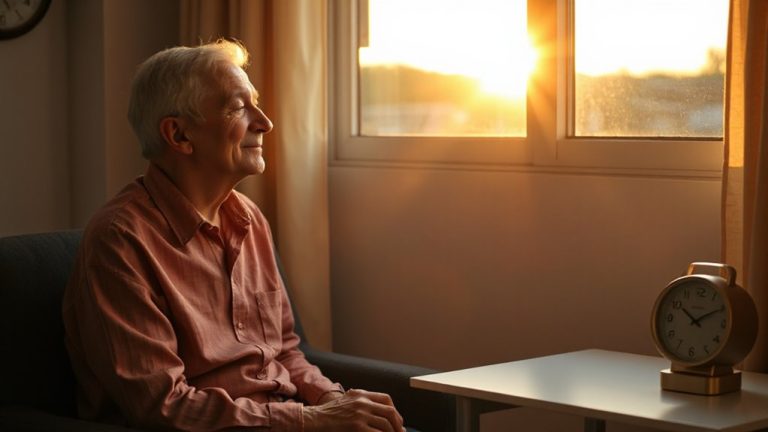
While your daily habits influence sleep, your genes play a foundational role in shaping your body’s natural rhythm, and understanding them can clarify which sleep strategies might work best for you. Your genetic predisposition affects whether you’re naturally a morning person or a night owl, influencing when you feel alert or sleepy. These inherited patterns also impact your sleep architecture-how much time you spend in deep, REM, and light sleep stages-shaping how rested you feel. Emerging research now lets you explore this biological blueprint through DNA testing, offering insights into your unique circadian tendencies. Knowing your genetic profile doesn’t change your genes, but it helps you choose better sleep schedules, light exposure times, and even suitable sleep aids. It’s not about quick fixes, but informed decisions. For those with sleep disorders, this knowledge supports earlier, more precise interventions tailored to your biology.
Real-Time Circadian Tracking With Wearables
Your genes lay the foundation for your sleep patterns, but daily life doesn’t always follow a strict blueprint-this is where real-time tracking steps in. Wearables now use biometric feedback to monitor your circadian rhythms throughout the day and night, offering insights into sleep staging and alertness levels. These devices detect heart rate variability, skin temperature, and movement, translating data into actionable patterns. You can see how lifestyle choices affect your sleep health over time, helping you make informed decisions. Some of the most effective devices for this purpose are the best sleep-tracking smartwatches, which integrate advanced sensors and analytics to provide detailed circadian insights.
| What You Feel | What the Data Shows |
|---|---|
| Tired in the afternoon | Low heart rate variability |
| Restless at night | Disrupted sleep staging |
| Alert after dinner | Elevated core temperature |
Many devices offer trial periods and warranties, so test one that syncs with your routine. Biometric feedback helps identify trends-use it to adjust habits, not replace medical advice.
AI Coaches That Adapt Your Sleep Schedule
How well is your sleep routine really working for you? AI coaches now analyze your patterns using neural feedback from wearables to adjust your schedule in real time. These systems learn when you’re most alert or drowsy, then suggest personalized bedtimes and wake-ups that align with your biology. Sleep gamification features turn consistency into rewards-earning points for hitting targets or maintaining streaks, which can boost motivation over weeks. Some apps offer trial periods, letting you test effectiveness before subscribing. Most include setup guidance, progress dashboards, and privacy controls so you stay informed. Unlike one-size-fits-all solutions, AI adapts but requires honest input and regular use to stay accurate. They don’t replace medical treatment for disorders but can complement strategies under professional care. Consider trying one if you want structure without rigidity-just remember, results improve with time and consistency.
Chronotypes 2.0: From Larks to Genetic Profiles
Genetics now shape how we comprehend your natural sleep rhythm. You’re not just a lark or a night owl-your DNA reveals specific variants influencing when you feel alert or tired. These genetic markers help predict your sleep architecture, including how deeply you enter restorative stages and how long you stay in REM. That affects your dream patterns, since longer REM periods usually mean more vivid dreaming. Testing kits now analyze genes like PER3 to give you a personalized chronotype profile, which can guide decisions about ideal sleep times or shift work. Some offer trial periods, letting you test changes before committing. Though not diagnostic, the data helps identify mismatches between your schedule and biology-key if you suspect a circadian rhythm disorder. Results don’t replace medical advice but support discussions about sleep aids or light therapy-tools better matched to your biology.
Light When You Need It: Tailored Exposure by Body Clock
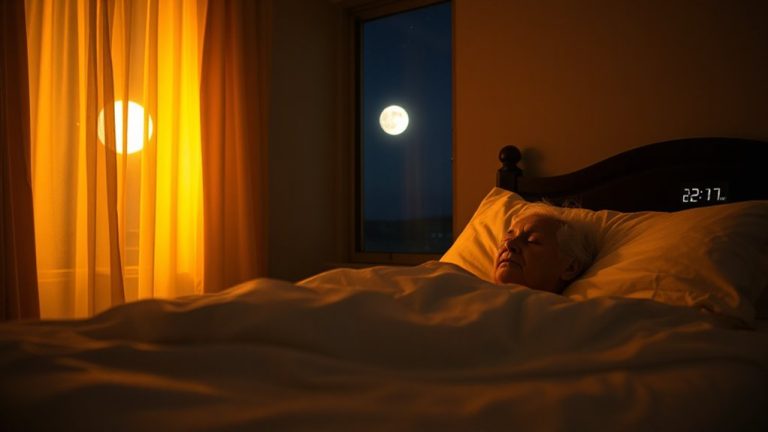
What if the light you’re exposed to each day could be timed precisely to match your body’s internal clock? Modern lighting systems now adapt using blue light timing to support your natural rhythm. In the morning, you get more blue-enriched light to help you feel alert. As evening comes, the levels taper off, helping your body wind down. With dynamic lighting zones, different areas of your home or workplace can shift independently-your bedroom dims while your home office stays bright. These setups respond to personal data from wearables or apps, adjusting based on your unique cycle. They’re easy to install, often come with trial periods, and some include warranties covering hardware performance. While not a cure for sleep disorders, they can complement other strategies. Used wisely, they help align your environment with your biology-gently guiding better sleep habits without added effort.
How to Apply Personalized Sleep Insights Daily
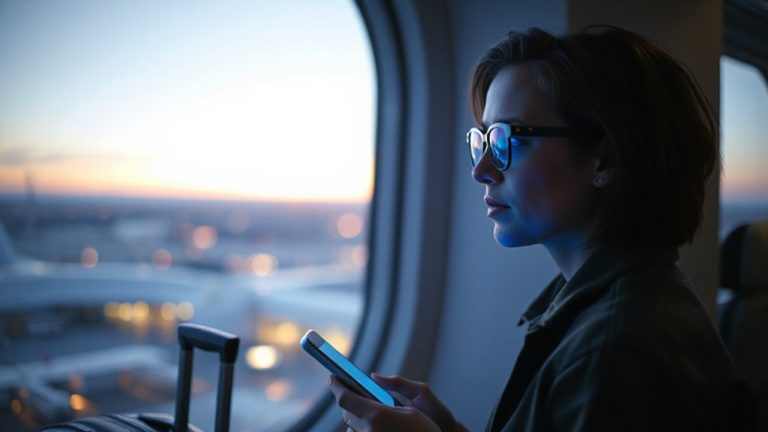
Isn’t it easier to stick to healthy sleep habits when your routines actually fit your biology? You can start by aligning your sleep diet-what and when you consume-with your body’s natural rhythms, avoiding heavy meals or caffeine close to bedtime. Pay attention to stress timing: manage mentally demanding tasks earlier in the day, since late-night pressure can delay melatonin release. Use light cues from the previous section to reinforce your internal clock, helping you fall asleep and wake up more smoothly. Track your patterns with wearable tools for a few weeks, noting when you feel alert or drowsy. Adjust bedtime in 15-minute increments until you find your sweet spot. Consider sleep aids only after testing routine changes, and choose options with clear trial periods and transparent ingredients. Small, consistent tweaks often support better rest than drastic fixes. For frequent travelers, using a supportive best pillow for flying can enhance comfort and promote better sleep during flights.
On a final note
You now have tools to shape sleep around your biology, not the other way around. Wearables track rhythms, apps offer feedback, and light devices adjust to your genetic tendencies. These work best when matched to your schedule and needs. Try one feature at a time, like timed light exposure or adjusted bedtimes, and track changes over two weeks. Look for products with free trials and solid warranties so you can test them safely. Small, informed steps lead to better rest.