Chronotherapy for Athletes: Tailoring Training and Rest Periods Around Individual Body Clocks to Maximize Performance
You perform best when your training, meals, and sleep align with your body’s natural rhythm. Chronotherapy helps you time workouts to your peak energy-whether you’re a morning lark or night owl-based on your internal clock. Track your energy for two weeks to find your ideal training window, fuel with well-timed meals, and support recovery with consistent sleep. Adjusting light, food, and rest boosts performance, reduces injury risk, and improves sleep quality. You’re likely already doing some of this-see how refining it can make a difference.
Notable Insights
- Align training and recovery with your circadian rhythm to leverage natural energy peaks and improve athletic performance.
- Identify your chronotype-morning lark or night owl-to personalize sleep and training schedules for optimal readiness.
- Time workouts during biological peak periods for strength, focus, and coordination to maximize training effectiveness.
- Schedule meals 1–2 hours before training and consume protein and carbs post-exercise to align nutrition with circadian metabolism.
- Maintain consistent sleep and wake times, limit evening light exposure, and track energy patterns to support recovery and performance.
What Is Chronotherapy for Athletes?
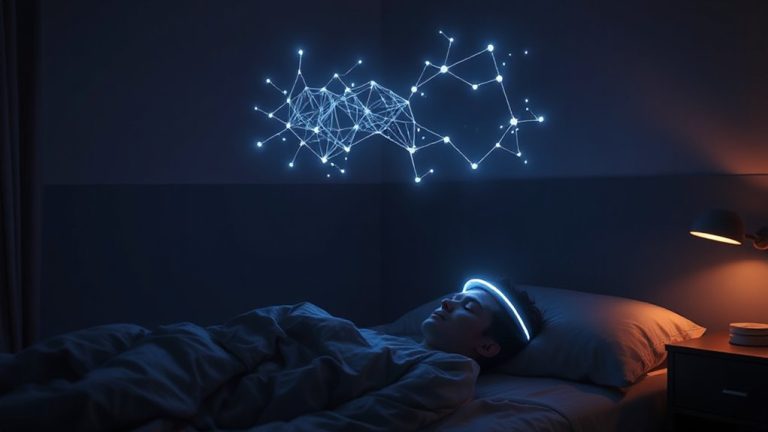
Your body runs on a natural clock, and chronotherapy taps into that rhythm to help athletes get better sleep, recover faster, and perform at their peak. This approach aligns training, rest, and nutrition with your circadian rhythm-the 24-hour biological clock regulating sleep, hormones, and body temperature. When you time workouts to match your body’s natural energy highs and lows, you may reduce injury risk and improve adaptation. Light exposure, meal timing, and consistent sleep schedules fine-tune this process. For those with sleep disorders, adjusting timing-not just duration-of sleep can make a difference. While sleep aids might help short-term, they don’t reset your biological clock like consistent routines do. Experts suggest recording sleep patterns and energy levels for two weeks to spot rhythms. It’s low-risk, with a strong focus on personal data. No warranty promises peak gains, but many athletes report clearer focus and smoother recovery when syncing life with their internal clock.
Are You a Morning Lark or Night Owl?
Have you ever wondered why you feel sharp at dawn while others barely function until dusk? Your natural rhythm-whether you’re a morning lark or night owl-comes down to genetic predisposition and environmental influence. Some people inherit genes that make them alert early, while others stay energized late into the night. Shift work, light exposure, and screen time can shift your internal clock over time. Recognizing your type helps you plan better sleep and avoid chronic fatigue. If you struggle to fall asleep or wake up, adjusting light levels and screen use may help. Consider sleep aids only after trying consistent routines. There’s no one-size-fits-all, so trial and observation are key. Track your energy patterns for a few weeks. That way, you can make informed choices about rest and recovery, supporting long-term performance and health.
When Is Your Body at Peak Performance?
When does your strength, focus, and coordination hit their highest point each day? It depends on your genetic predisposition and environmental adaptation. Your internal clock, shaped by biology and daily routines, determines when your body functions best. Some athletes peak in the morning due to inherited rhythms, while others hit top performance in the afternoon or evening. Light exposure, meal times, and training schedules all influence this timing through environmental adaptation. To find your peak, track performance over weeks at different times. Note energy levels, reaction speed, and effort. This helps identify natural highs and lows. Understanding these patterns supports smarter choices about sleep, managing disorders, or considering sleep aids. You don’t need perfect conditions-just consistent observation. Matching rest and recovery to your rhythm improves readiness. Small adjustments can enhance recovery, focus, and long-term results.
Train When Your Body Is Ready
Peak performance isn’t just about effort-it’s about timing. Your body thrives when you align workouts with your natural rhythms. Training windows-the periods when your body hits peak alertness and strength-vary by person. Some crush workouts at dawn, others don’t peak until late afternoon. That’s tied to biological readiness, shaped by your internal clock. You’re not lazy if you struggle early; your body might simply not be primed yet. Track your energy, focus, and strength over a week to spot your ideal window. Shift sleep times gradually if needed, and address sleep disorders-they disrupt rhythm and delay readiness. Avoid sleep aids unless advised, as they may alter natural cycles. Trial consistent bedtimes for at least two weeks. A stable clock sharpens training response. Adjust wisely, not forcefully.
Fuel Your Body at the Right Times
At the core of athletic performance lies not just what you eat, but when you eat it. Proper meal timing aligns your food intake with your body’s natural rhythms, helping you get the most from every calorie. When you eat around your activity peaks, you boost nutrient partitioning-the process that directs fuel to muscles instead of fat. Eating a balanced meal 1–2 hours before training gives you sustained energy, while a mix of protein and carbs within 45 minutes after strengthens recovery. Skipping meals or eating late can disrupt these patterns, making it harder to build strength or lose weight. Spread smaller meals through the day to maintain steady energy, especially if your schedule limits workout times. Consistent meal timing trains your metabolism to expect fuel when you need it most.
Sleep Smarter With Hormone Timing
Your body’s internal clock doesn’t just influence when you feel hungry-it also shapes your sleep quality by controlling hormone release throughout the day. Melatonin rises at night, helping you fall asleep, while cortisol peaks in the morning to wake you up. Aligning your sleep schedule with these natural shifts supports circadian alignment, making rest more restorative. For hormone optimization, go to bed and wake up at consistent times-even on weekends. Dim lights and avoid screens an hour before bed to boost melatonin naturally. If you struggle with sleep onset or wakefulness, consider a sleep aid containing melatonin, but only after consulting a healthcare provider. Short-term use may help reset rhythms, but long-term solutions depend on routine and environment. Prioritize dark, cool rooms and avoid caffeine late in the day. With time, your body adapts, improving both sleep quality and recovery. For those considering supplementation, choosing a high-quality product is key-look into the Best Melatonin Picks for Adults to find formulations tailored to individual needs.
How Top Athletes Use Timing to Win
While your performance might seem tied to training alone, the timing of your efforts can make a real difference in how well your body responds. Top athletes use chronotherapy to align training with their natural energy peaks, boosting output and focus. You’ll benefit from adjusting Recovery timing-sleeping when cortisol drops and growth hormone rises helps muscles repair faster. Ignoring this can delay healing and increase injury risk. Competition scheduling also matters; training at the same time of day as your event prepares your body for peak output when it counts. Some athletes even shift sleep cycles days before a late-night match to match their internal clock with game time. You don’t need supplements if you time rest right, though short-term sleep aids may help reset rhythms under supervision. Trial adjustments gradually, track performance, and watch how changes affect recovery and alertness.
On a final note
You can boost performance by aligning training and rest with your natural rhythm. If you’re a morning lark, schedule intense workouts earlier; night owls may peak later. Time meals and sleep to support energy and recovery-eating earlier helps some, while delayed eating suits others. Prioritize consistent sleep, and consider light exposure to adjust your clock. Try small timing changes, track how you feel, and allow weeks to assess results.